






By Hafsah Tilde
Nigerian lawyer, Olubunmi Uluba, on Friday announced a 220-hour Guinness World Record reading marathon aimed at raising global awareness of Sexual and Gender-Based Violence (SGBV) laws across Africa significantly.
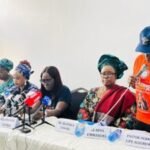
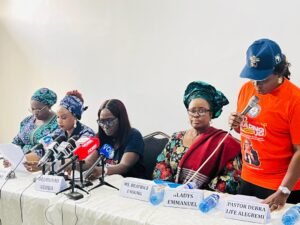
Uluba, who said this at a news conference in Abuja, said the initiative would focus on SGBV laws in Nigeria and 14 other African countries, promoting awareness and legal understanding.
She said the marathon would involve reading legal frameworks from 15 African countries, including Nigeria, Ghana, Cameroon, South Africa, Namibia, Rwanda, Kenya, Uganda, Zambia and Zimbabwe respectively.
Other countries covered in the exercise are Malawi, Sierra Leone, Tanzania, The Gambia and Botswana, reflecting a broad continental effort to deepen understanding of legal responses to SGBV.
Uluba said the comparative analysis was not intended to rank jurisdictions but to identify best practices capable of strengthening SGBV laws, survivor protection mechanisms and institutional responses across Africa.
“We can pick the best practices and imbibe in our laws,” she said, adding that the initiative would examine survivor protection, access to justice and institutional responsibilities comprehensively.
She said the exercise would continue beyond the record attempt through a post-dialogue process involving stakeholders, with findings developed into recommendations capable of informing policy and legislative reforms.
“We want to move from conversation to knowledge, from knowledge to evidence, from evidence to recommendations, and from recommendations to reform,” she said.
Ms Beatrice Eyong, UN Women Country Representative, said knowledge of SGBV laws was essential for citizens to assert their rights and for duty-bearers to effectively implement them nationwide.
“If you don’t know the laws, if you don’t know what has been written about sexual and gender-based violence, you cannot assert your rights,” Eyong said.
She said citizens needed to understand laws, policies and international commitments against SGBV to demand protections guaranteed under them, while duty-bearers required knowledge for effective implementation nationwide.
Eyong said the initiative would enable African countries to learn from one another, identify best practices and create wider awareness of the continent’s commitment to combating gender-based violence.
Jessica Duru, Legal Officer, FCT WES, said the Federal Capital Territory Administration would translate momentum from the initiative into stronger strategies and interventions against SGBV across communities.
She said the FCTA had recorded more than 3,072 reported SGBV cases on its national dashboard in Abuja, reflecting increasing reporting and public confidence in seeking support.
“The number might be high, but I think it’s because people are actually having confidence in speaking out,” Duru said during the stakeholders’ engagement meeting.
She said the FCTA would ensure existing legal frameworks were actively implemented across the six Area Councils, while expanding shelters, safe spaces and emergency support services.
“We’re going to make sure that this momentum is going to help in the increase of shelters and emergency survival hotlines,” she said.
Duru said grassroots education would be strengthened through simplified communication of legal provisions in local languages, helping communities understand rights, reporting channels and available support services.
Dr Abiodun Essiet, Senior Special Assistant to the President on Community Engagement, said the initiative was important because increased awareness of SGBV laws would strengthen efforts to protect victims, promote justice and encourage stronger implementation.
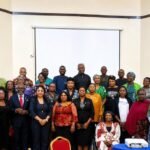
The organisers said the initiative was designed to move beyond the record attempt and contribute meaningfully to practical policy reforms and legislative improvements addressing SGBV challenges.(NAN)(www.nannews.ng)
Edited by Abiemwense Moru