




By Franca Ofili
Africa on Monday marked the 24th African Traditional Medicine Day, with experts urging governments to invest more in research, regulation and innovation to unlock traditional medicine’s potential for universal health coverage.
The World Health Organization (WHO), in a post on its official X account on Monday, said the Aug. 31 observance focused on strengthening traditional medicine as a credible contributor to Africa’s healthcare systems.
According to WHO, the theme, “Reflection on research and development efforts of traditional medicine towards achieving universal health coverage in the African Region,” underscores the need to transform knowledge into solutions.
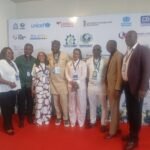
The organisation said the WHO Global Traditional Medicine Centre and WHO Regional Office for Africa convened stakeholders to examine how evidence, innovation and community trust could move traditional medicine into practice.
WHO said this year’s observance highlighted research and development efforts aimed at making traditional medicine more accessible, safer and evidence-based, while supporting universal health coverage across African countries.
“Participants said traditional medicine could strengthen primary healthcare when supported by scientific evidence, effective regulation, innovation and sustained investment,” WHO said, emphasising the sector’s growing healthcare relevance.
“African Traditional Medicine Day commemorates a landmark WHO resolution adopted during the organisation’s 50th Regional Committee meeting in Ouagadougou in 2000.
“Traditional medicine remains an important source of healthcare, particularly in rural communities where practitioners often serve as the first point of contact,” the organisation said.
According to WHO, experts noted that traditional health practitioners possess deep community relationships and cultural legitimacy that can complement conventional healthcare systems and improve access to quality services.
The organisation said Mr Temitayo Erogbogbo, Global Advocacy Director at Merck Sharp and Dohme for Mothers, emphasised that trust remained a critical asset within traditional healthcare networks.
According to WHO, Erogbogbo said traditional birth attendants, community healers and other practitioners maintain longstanding relationships that can support better health outcomes when appropriately integrated into healthcare delivery.
WHO said Prof. Martins Emeje, Director-General of the Nigeria Natural Medicine Development Agency, participated in the discussion, bringing perspectives on advancing traditional medicine through scientific validation and innovation.
The organisation said that Emeje also serves as Co-Chair of the WHO Strategic and Technical Advisory Group for Traditional, Complementary and Integrative Medicine, supporting global policy and research efforts.
According to WHO, participants emphasised that traditional medicine should not be viewed as a relic of the past but as a living knowledge system requiring evidence and innovation.
The experts said that Africa possessed vast traditional health knowledge and biodiversity resources capable of driving healthcare development, pharmaceutical innovation and economic opportunities across the continent.
However, WHO said participants emphasised that unlocking the potential required stronger collaboration among researchers, policymakers, entrepreneurs, communities and traditional health practitioners working towards shared healthcare goals.
The organisation said stakeholders also called for greater domestic investment in research and development to scientifically investigate, validate and improve traditional medicines for broader healthcare applications.
According to WHO, participants highlighted the urgent need to document traditional medical knowledge to prevent valuable information from disappearing and ensure its preservation for future generations.
The organisation warned that undocumented knowledge risked being permanently lost, making systematic preservation, scientific study and knowledge transfer essential for sustainable healthcare innovation and development efforts.
“The discussion aligned with WHO’s Global Traditional Medicine Strategy 2025–2034, which prioritises research, regulation, integration and collaboration.
“The strategy seeks to promote safe, effective and evidence-based traditional medicine while strengthening people-centred health systems,” WHO said, outlining its vision for healthcare transformation through integration.
“Traditional medicine is already used by millions worldwide and can support prevention, self-care and primary healthcare alongside biomedical services,” the organisation said during the discussion.
According to WHO, experts expressed optimism that innovation, digital tools and growing youth interest could create fresh opportunities for traditional medicine research, entrepreneurship and healthcare advancement.
“They envisioned stronger collaboration between traditional medicine and biomedicine, with both approaches contributing complementary strengths to healthier communities.
“Countries including Cameroon, Madagascar, Mozambique, South Africa and Zimbabwe are commemorating the day through national and regional activities,” the organisation said.
WHO said speakers ultimately called for sustained investment in evidence generation, empowerment of traditional health practitioners and responsible use of Africa’s biodiversity to expand quality healthcare access.(NAN)
Edited by Abiemwense Moru
