


By Usman Aliyu, News Agency of Nigeria (NAN)
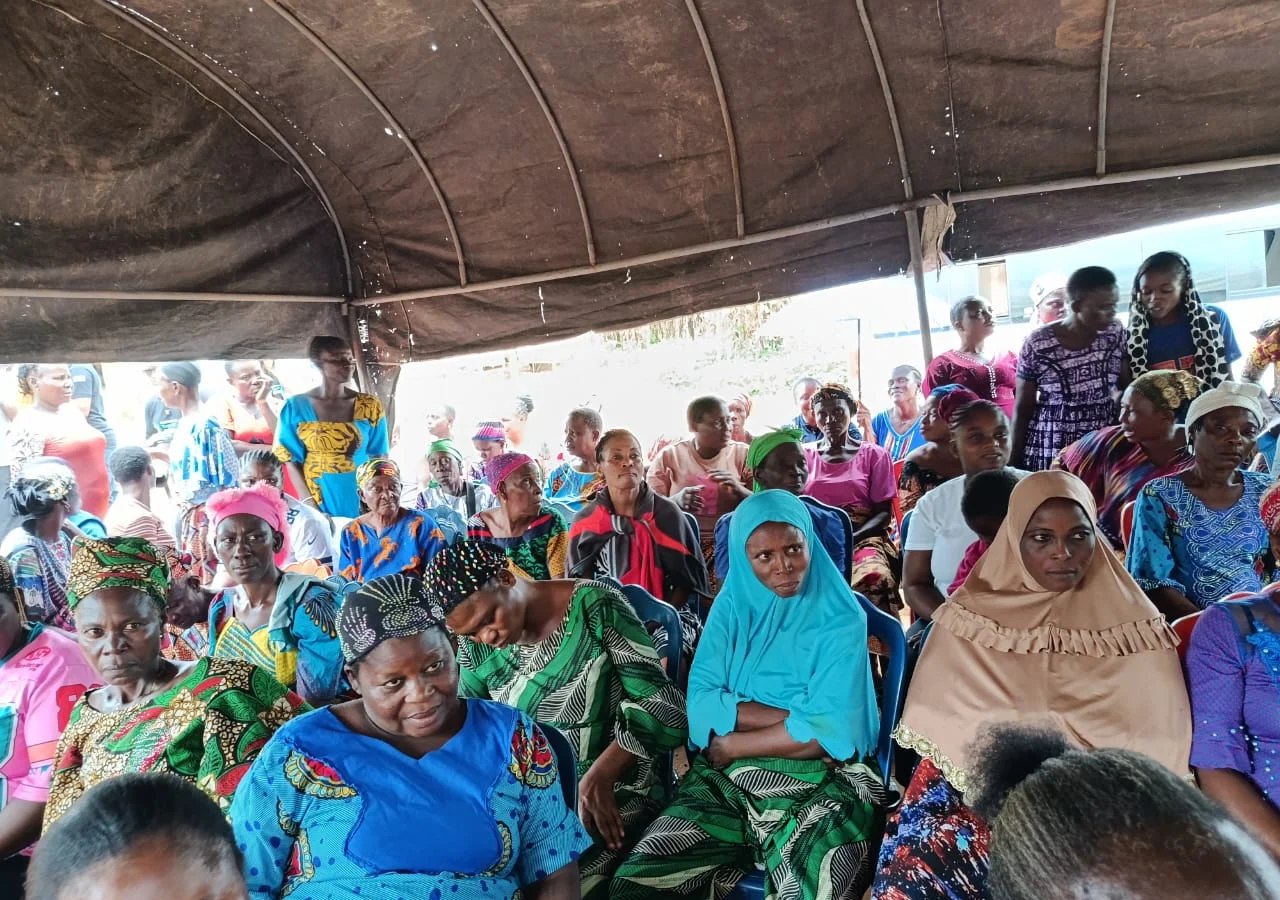
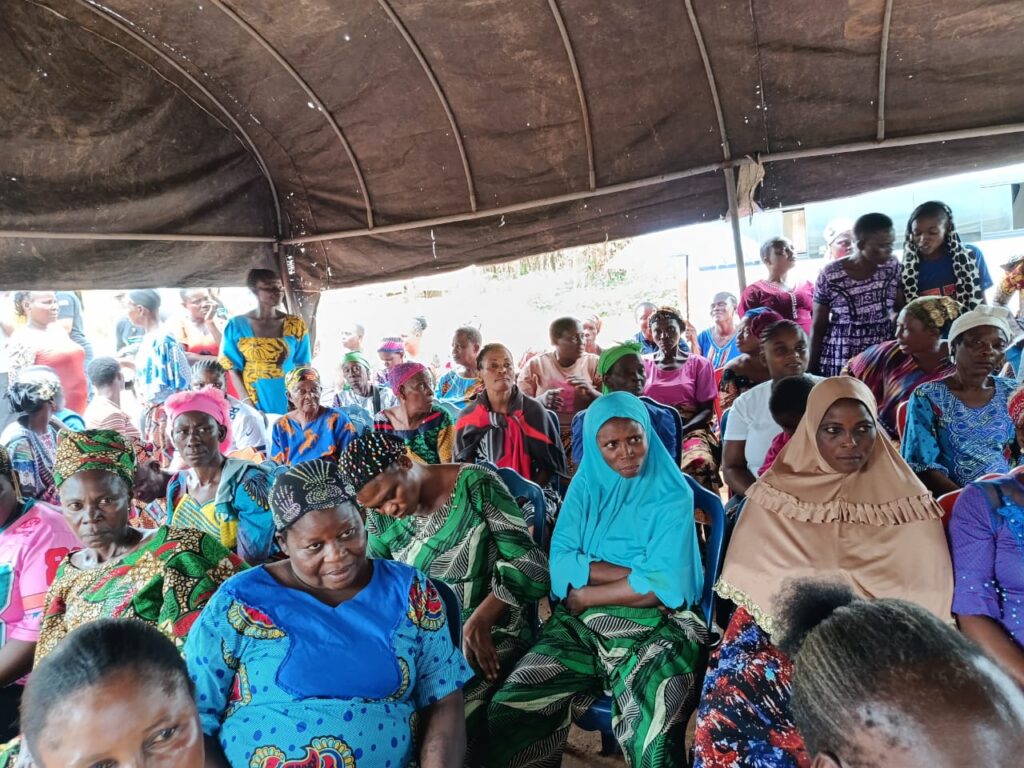
By mid-morning on Wednesday, July 29, women had begun gathering at a temporary service point in Ikoha, a remote community in Ovia South West Local Government Area of Edo.
Among them was Elizabeth Osaigbovo (not her real name), who had come seeking a family-planning method after experiencing difficulties accessing reproductive healthcare in her community.
For Osaigbovo, however, the significance of the visit was straightforward; the service had come to her.
This was especially important because Ikoha is about three hours from Benin City and roughly two hours from the Benin-Ore Expressway, making trips to conventional health facilities costly and time-consuming for residents.
“The service is not available in my community and I would have to travel miles for it. More so, there is a lot of misinformation around it,” Osaigbovo said.
After receiving counselling from the visiting health workers, she chose a family-planning method.
Her experience illustrates the access challenge that informed MSI Nigeria Reproductive Choices’ targeted mobile outreach programme in Edo.
The 2024 Nigeria Demographic and Health Survey (NDHS) found that 15 per cent of women nationally were using a modern contraceptive method.
Among rural women, the proportion was 10 per cent, compared with 22 per cent among their urban counterparts.
The figures highlight the disparity in modern contraceptive use between rural and urban women, with distance, availability of services and misinformation among the barriers confronting women in underserved communities.
MSI Nigeria is addressing the access gap through a model that combines targeted mobile outreach with a social-enterprise component.
Rather than waiting for women in remote communities to travel to established health facilities, the organisation takes reproductive healthcare closer to them through mobile outreaches.
The outreaches combine trained healthcare workers, counselling, family-planning commodities and community mobilisation.
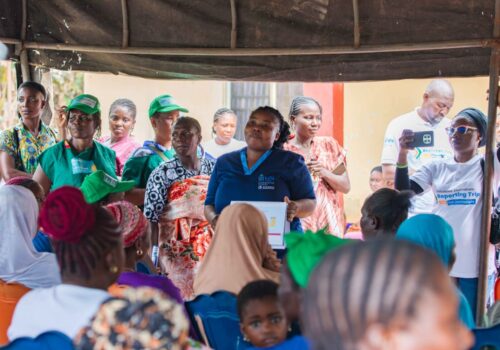
The process begins by identifying communities where access to and uptake of reproductive healthcare services remain low.
Mrs Adja Abieyuwa, Coordinator of Reproductive Health/Family Planning in the Edo Ministry of Health, said the state uses data to identify areas requiring targeted interventions by partners.
“We don’t just go into communities randomly; we study our data, identify areas with low uptake and focus for interventions,” she said.
Once a community is selected, Chibuike Utaka, MSI Nigeria’s Head of Marketing and Communications, said mobilisation is undertaken to inform residents about the availability of services.
Health workers then travel to the location with the required commodities and provide counselling before clients choose a method.
The process also includes referral of clients requiring additional medical attention to appropriate health facilities, while channels are available for clients to seek assistance after receiving services, including for side-effect management.
In some remote communities, Utaka said outreach teams may have to stay overnight because residents cannot easily travel out and return the same day.
Caro Oyakhire, Social and Behaviour Change Communication Officer for MSI’s Edo outreach programme, said the organisation took its outreach services to 1,459 sites between 2023 and 2026.
For January to September 2025 alone, she said, 38,980 clients were reached with family-planning and child-spacing services.
Osaigbovo was not the only beneficiary.
Through the outreach in Ikoha, Blessing Iyare, a mother of four who had experienced an unintended pregnancy while nursing her six-month-old baby, also embraced family planning for the first time.
Iyare said lack of access and misinformation about contraceptives had previously discouraged her from using a modern method.
“I can see the benefits of family planning clearly. Since I started using a modern method, I have peace of mind.
“Whenever I go to the hospital for family planning services, I know I am doing what is right for me,” Iyare said.
For Osaigbovo, the outreach meant she did not have to make the long journey out of her community before receiving counselling and choosing a method.
For Iyare, the opportunity to speak with a trained provider helped her understand family-planning options and make a decision.
Dr Jedidiah Sodje, Director of the Family Planning Clinic project at the University of Benin Teaching Hospital (UBTH), said taking services directly to communities was important for reaching women who might otherwise face difficulties accessing care.
He said the quality of services also mattered as much as physical access.
“If they say they’re going to a village or a marketplace to do outreach to reach the unreached, they go there with their standard.
“They don’t compromise standards,” said Sodje, a consultant obstetrician and gynaecologist at the UBTH, conversant with MSI Nigeria activities
Sodje said outreach programmes could enable large numbers of women to receive counselling and family-planning services within their communities, but added that such interventions needed to complement, rather than replace, a functional primary healthcare system.
Beyond the individual experiences and programme reach, Edo has recorded an increase in modern contraceptive use among women.
According to the NDHS, modern contraceptive use among women in the state rose from 15 per cent in 2018 to 19 per cent in 2024.
The four-percentage-point increase puts Edo above the 2024 national figure of 15 per cent.
Dr David Odiko, Director of Family Health in the Edo Ministry of Health, said MSI’s intervention complemented government efforts by taking services directly to communities where conventional health facilities were limited.
The initiative, he said, had increased uptake of family-planning methods in the state.
Behind the mobile outreach is a financing component.
In Edo, MSI operates the Marie Stopes Medical Centre in Benin City, where clients pay for some reproductive-health services, while its outreach services to underserved communities are provided free of charge.
Utaka said income generated through the social-enterprise component contributes to sustaining the organisation’s operations and wider service delivery.
The model is intended to provide an additional financing stream for reproductive healthcare rather than relying exclusively on external funding.
At the Benin centre, clients can access family-planning counselling, sexually transmitted infection services, vaccinations and other sexual and reproductive health services.
Nneka Enyi, Clinical Service Provider at the centre, said the facility also provides services to men and confidential counselling for adolescents.
Before a family-planning method is provided, clients receive counselling on available options.
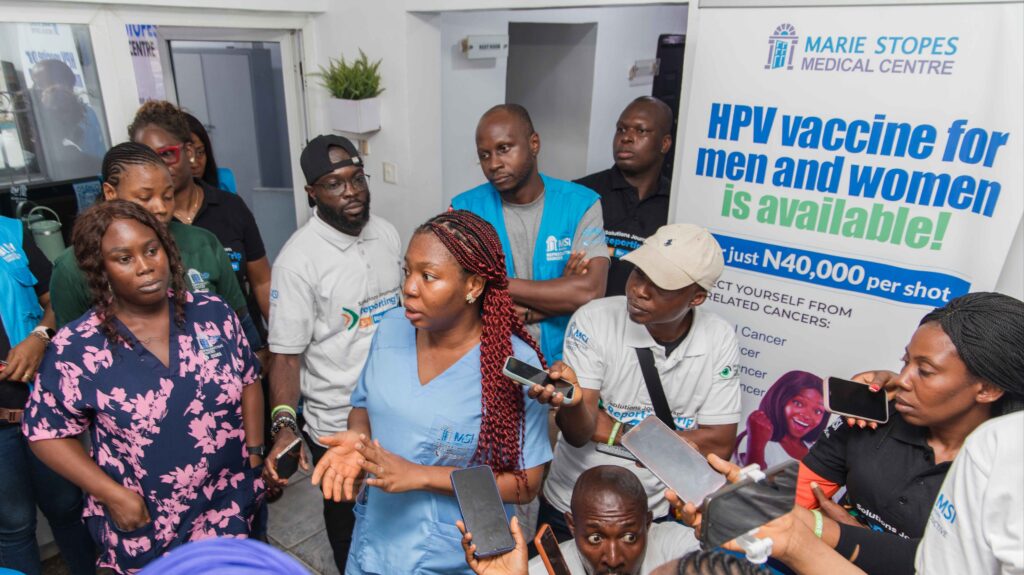
Enyi said misinformation remained one of the biggest challenges confronting providers, with some clients arriving with fears that certain contraceptive methods could permanently prevent them from becoming pregnant in the future.
“Misconception is the major challenge,” she said.
She explained that counselling allows providers to address concerns and help clients make informed choices.
The same principle applies to adolescents.
Omeche Enemaku, Regional Manager for the South-South and South-West at MSI Nigeria Reproductive Choices, said adolescents account for more than 30 per cent of the organisation’s total client base in some operational areas.
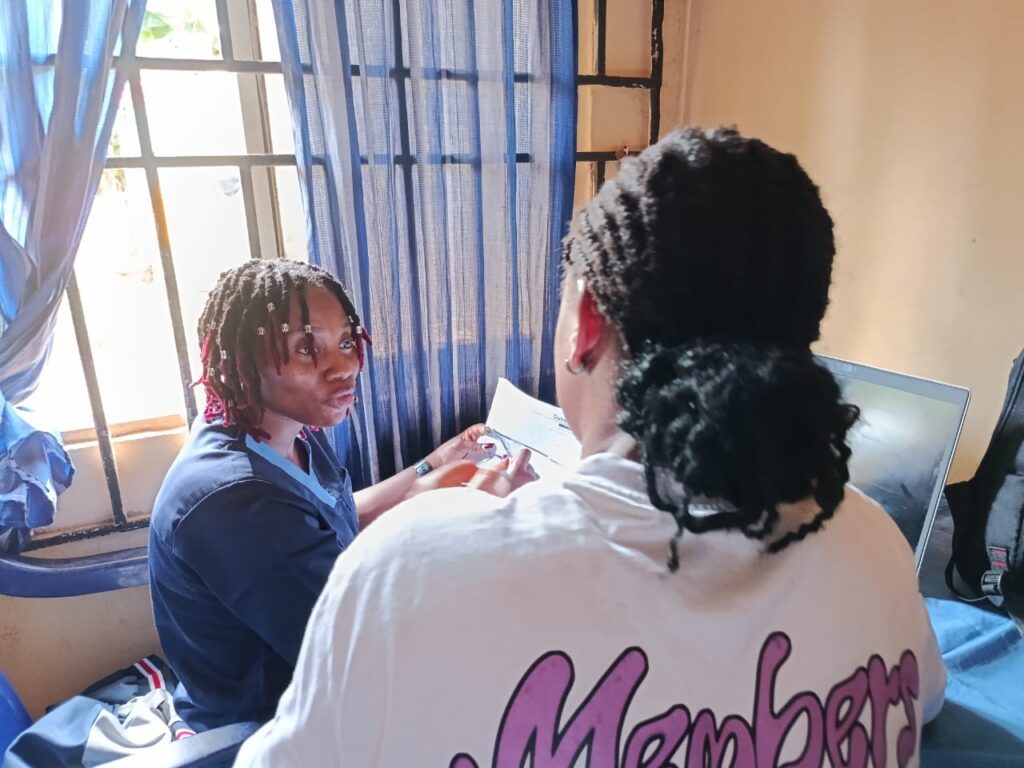
At the Benin centre, adolescent clients can receive one-on-one counselling without their parents being present, subject to situations where parental involvement or consent is required.
The centre also provides HPV and hepatitis B vaccination.
Enyi said confidentiality helps adolescents feel more comfortable discussing sensitive reproductive-health concerns.
“They are very unique people, and the more you are friendly with them, the more they tell you,” she said.
Sodje, however, cautioned against assuming that revenue from social-enterprise facilities alone could sustain extensive outreach activities.
He noted that reaching hundreds of women in remote communities involves the cost of healthcare personnel, transportation, logistics, commodities and other supplies.
He said clinic revenue could contribute to the financing of outreach, but argued that donor funding remained an important source of support for such programmes.
For him, the longer-term challenge is how to ensure that successful outreach models remain available if donor funding declines.
“The Nigerian government should be looking ahead on how to inherit or own these programmes,” Sodje said, urging government to create budgetary provisions for activities that have demonstrated results.
Albeit the reach of the outreach programme, barriers to family-planning uptake remain, especially male involvement and support for women seeking modern contraceptive methods.
Utaka recalled an instance where a man warned his wife against using contraceptives.
“He said his father had 25 children and he intended to have even more,” he recounted.
Odiko also identified stock-outs of family-planning commodities as a challenge in the state, partly because of delays in procurement.
He said the government was working to address the problem, including redistributing commodities from facilities with lower demand to those where they were needed more.
“The state is also working with development partners, including MSI, to expand services in hard-to-reach communities,” he said.
Sodje identified another challenge: the frequent transfer of trained family-planning providers from primary healthcare facilities.
He said when experienced providers are transferred without a proper transition, communities can lose access to personnel who have built trust and acquired specialised skills.
He recommended that incoming providers either be competent in family-planning services or understudy outgoing personnel to prevent gaps in service delivery.
For women such as Osaigbovo and Iyare, the Ikoha outreach brought family-planning information, counselling and services within reach, eliminating the need for a long journey to a conventional health facility.
More broadly, the experience shows that taking reproductive healthcare closer to rural women can remove a major barrier to access.
However, sustaining the gains will require reliable commodities, trained personnel, community acceptance and financing beyond periodic outreach.(NANFeatures)
Edited by Tosin Kolade
***If used, credit the writer and the News Agency of Nigeria.
(NAN)


Comments