


By Moromoke Akanji
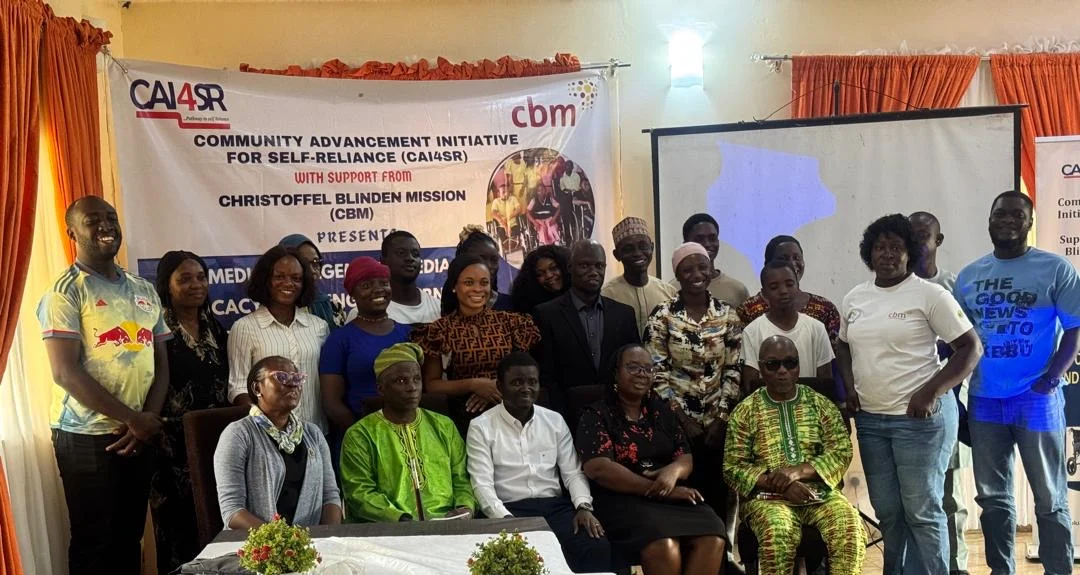
A non-governmental organisation (NGO), Community Advancement Initiative for Self-Reliance (CAI4SR), has called for media cooperation in creating awareness against stigmatisation and discrimination against persons with disabilities (PWDs).
The Executive Director of the organisation, Mrs Eni Ayeni, made the call during a bi-monthly media awareness programme on disability rights and inclusive reporting on Thursday in Osogbo.
Ayeni said the programme was aimed at educating journalists on the need to create awareness and promote the implementation of disability laws to minimise stigmatisation against PWDs.
She appealed to journalists to make their reports more inclusive by educating the public on disability issues and promoting equal rights for PWDs without prejudice.
Ayeni said the Osun Disability Law was passed in 2024 and provided sanctions for anyone who violated the rights and privileges of persons with disabilities.
She, however, said the law was not being properly implemented, as PWDs still faced challenges in various aspects of life.
Ayeni also urged the media to be sensitive in their reporting by avoiding harsh or derogatory language and using appropriate disability terminologies when reporting issues concerning PWDs.
She appealed to the government not only to domesticate disability laws but also to ensure their effective implementation.
“We are engaging actively with the government, and there are remarkable changes as far as this project is concerned,” she said.
Also speaking, Mr Opeyemi Alabi, a facilitator at the training, said disability rights laws provided for the full integration of persons with disabilities into society through the State Bureau of Persons with Disabilities.
Alabi said the bureau was responsible for promoting the education, health, social, economic and civil rights of PWDs, among other matters affecting them.
He said although PWDs had rights guaranteed by law, they continued to face discrimination daily, while their experiences were not adequately documented.
Alabi urged journalists to represent PWDs appropriately and stop portraying them as tragic victims in need of charity or excessively praising them for performing everyday tasks.
“We need to stop writing sympathetic stories about them. They are brainy and smart just like any other person,” he said.
He urged journalists to produce reports that upheld the dignity, self-determination and diversity of PWDs rather than portraying disability as a problem that needed to be fixed.
“The focus should be from ‘fixing the person’ to ‘fixing the society’,” he said.
Alabi further said meaningful involvement of PWDs was mandatory at all stages of media production and programme design.
“The media plays a pivotal role in shaping public perception, driving policy reform, and holding institutions accountable for the inclusion and protection of persons with disabilities.
“When news outlets, digital platforms, and entertainment media take up the cause of disability rights, they transform social attitudes from paternalistic pity to rights-based advocacy while actively investigating and exposing gaps in policy implementation.
“During national emergencies, health crises or elections, broadcast media should ensure that survival and civic information reaches everyone by using sign language interpreters, closed captioning and audio descriptions.
“True accountability starts within newsrooms.
“Employing journalists, editors and producers with lived experience of disability ensures accurate, nuanced and respectful reporting,” he said. (NAN)
Edited by Victor Adeoti

Comments