


By Funmilola Gboteku
Stakeholders in facility management have urged organisations to adopt emerging technologies to reduce energy consumption, predict maintenance needs and improve the performance of buildings and infrastructure.
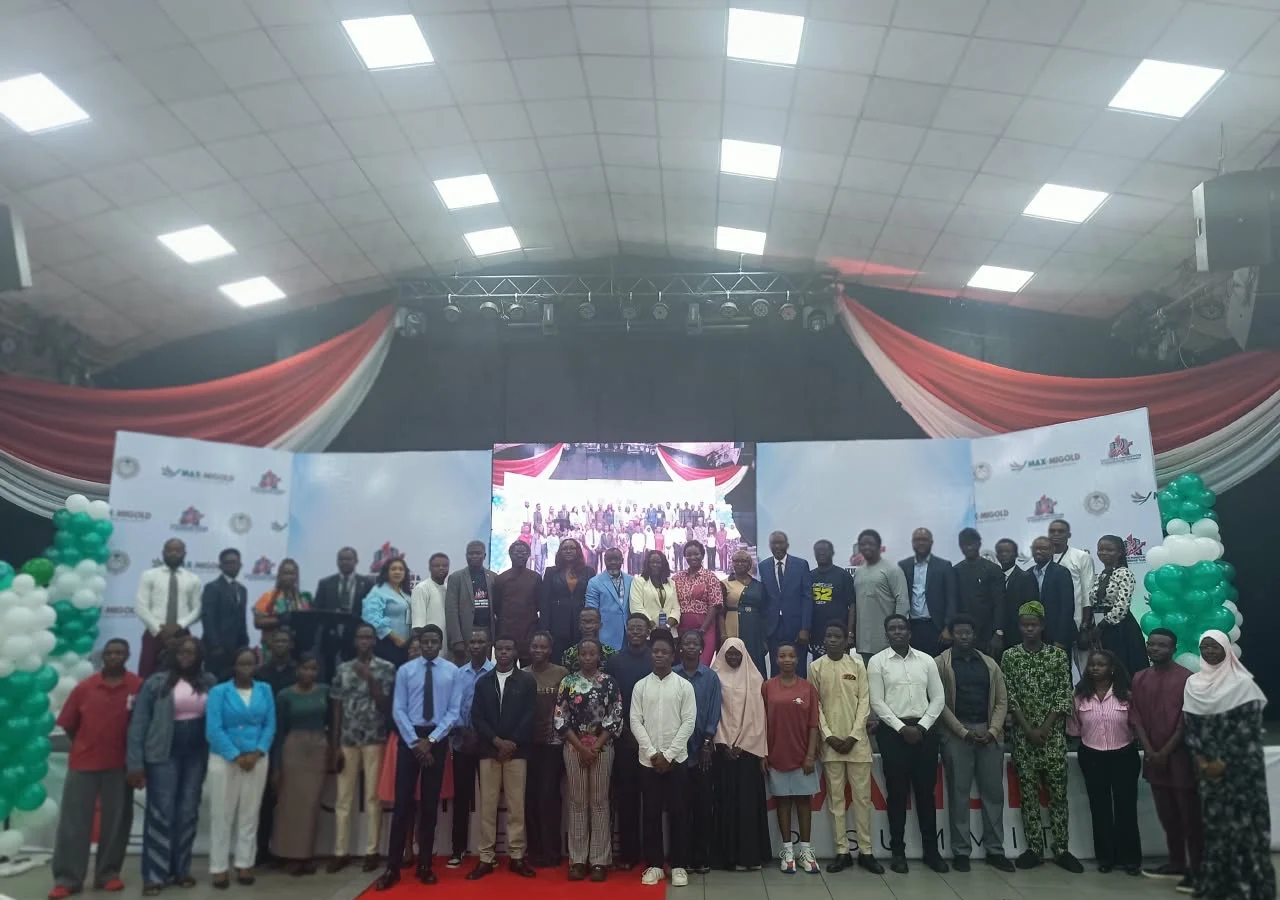
They made the call at the Facilities Innovation and Leadership Summit 2.0 in Lagos.
The event, which was organised by Max-Migold Facility Management Mastercraft Alumni Association (MFMMAA), had the theme: “Facilities Management in the Age of Data, Energy and Smart Operations.”
Speaking at the event, Mr Sherif Daramola, President, International Facility Management Association (IFMA), Nigerian Chapter, said technology was reshaping facility management and creating opportunities to improve building performance and sustainability.
Daramola said the growing complexity of real estate assets made it imperative for facility managers to deploy data, smart systems and automation to anticipate maintenance needs and manage energy efficiently.
He said facility managers should no longer be regarded as off-takers who only assume responsibility after buildings are completed, but should participate in project conceptualisation.
“Facility managers should be part of the concept, the design, the construction, the usage and also the disposition of facilities,” Daramola said.
According to him, early involvement will enable facility managers to identify project objectives, reduce avoidable costs, create value and improve occupants’ experience throughout a facility’s lifecycle.
Daramola said that Internet of Things (IoT) sensors, Computerised Maintenance Management Systems (CMMS) and Building Automation Systems (BAS) were technologies capable of transforming facility operations.
He said that smart sensors could detect human presence and automatically regulate lighting, while intelligent systems could monitor air quality and occupants’ behaviour to improve heating, cooling and ventilation.
He said facility management was a strategic profession capable of contributing to Nigeria’s economic development through better asset management, sustainability, operational efficiency and improved users’ experience.
He called for stronger collaboration between government and professional bodies, saying appropriate policies would support effective facility management across public and private infrastructure.
Daramola said that Executive Order 11 and the Lagos State Infrastructure Management Authority (LASIEMA) were examples of initiatives creating opportunities for stronger professional involvement in infrastructure management.
He urged facility management professionals to leverage such opportunities to provide technical expertise and co-create solutions to Nigeria’s infrastructure challenges.
Dr Michael Ogu, Managing Consultant, Talent Optimisation Company Ltd., urged facility managers to develop technology-oriented personnel capable of using technological tools to diagnose problems and develop appropriate solutions.
Ogu said Artificial Intelligence (AI), machine learning and robotics were transforming facility management globally with some highly automated buildings deploying robots for selected maintenance operations.
He, however, stressed that technology adoption should remain human-centred, with organisations paying attention to the wellbeing and wellness of personnel delivering facility management services.
Mrs Brenda Unuavworho, Executive Director, Aerial Consults Ltd., identified inadequate local data as a major challenge to effective deployment of AI in Nigeria’s facility management sector.
Unuavworho said AI systems relying on foreign data could generate solutions based on building standards and environmental conditions that did not adequately reflect Nigeria’s realities.
She called on professionals, government agencies and research institutions to deliberately document and preserve data on Nigerian buildings, including capacity, ventilation, energy consumption and maintenance history.
Unuavworho also urged architects and other professionals to design buildings with flexible systems capable of accommodating future technologies and changing user requirements.
She advocated sustainable building practices, including natural ventilation, solar energy, renewable energy systems and environmentally friendly materials, to reduce lifecycle costs and environmental impact.
Mr Paul Erubami, Convener and Managing Director/Chief Executive Officer, Max-Migold Facility Mastercraft Alumni Association, said the summit examined emerging trends shaping facility management.
Erubami said facility managers played critical roles in protecting assets, ensuring sustainability, improving efficiency and enhancing users’ wellbeing.
He disclosed that the association was working towards introducing an advanced diploma programme to strengthen professional capacity and support the sector’s development.
Erubami said energy efficiency and environmental sustainability were major areas requiring urgent attention, particularly because significant energy was wasted in Nigeria.
He said improved data collection, capacity development, appropriate legislation and investment in emerging technologies were necessary to accelerate smart and sustainable facility management practices.
The News Agency of Nigeria (NAN) reports that the summit featured panel sessions, technical talks and a masterclass for professionals across facility management, real estate and the energy sector. (NAN)
Edited by Benson Ezugwu/Oluwafunke Ishola
Comments