


By Jumoke Olaitan
The Association of Wives of Federal Capital Territory Traditional Rulers (WOFCTTRA) has stepped up efforts to eradicate Gender-Based Violence (GBV) across rural communities in the territory.
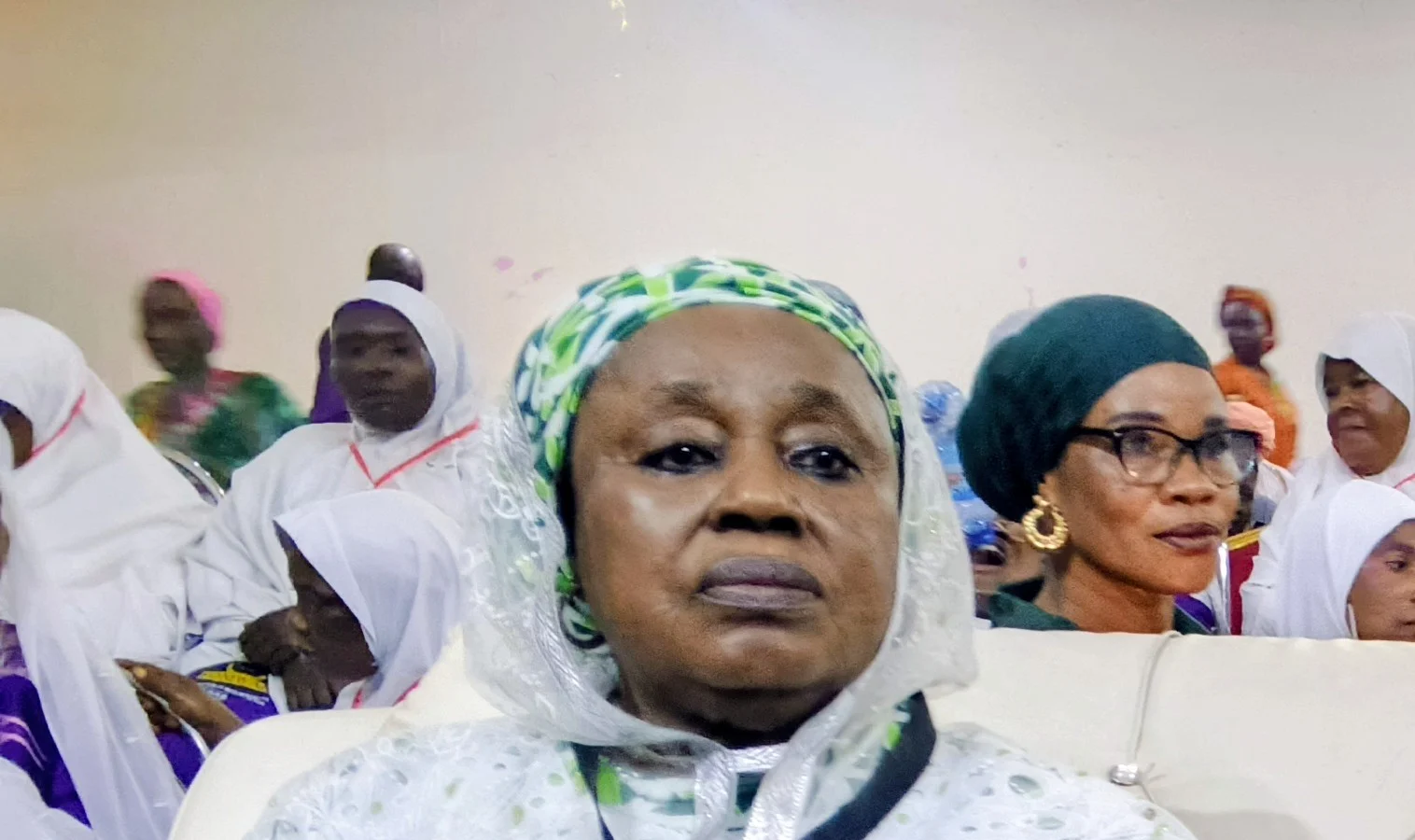
WOFCTTRA President and Queen of Abaji Chiefdom, Hajiya Hauwa Adamu, disclosed this in an interview with the News Agency of Nigeria (NAN) on Thursday in Abuja.
Adamu said that the association is leveraging the moral authority of traditional palaces to protect victims, enforce penalties against offenders and break the silence surrounding domestic abuses.
She said that GBV cases in rural areas were previously swept under the carpet by male negotiators who often excused perpetrators due to family ties.
“Some of these GBV cases are swept under the carpet because men will just say ‘we are related to this person’ and it ends there.
“But as mothers, no, we carry it forward. The offenders of GBV should not just go about unpunished, so that the victim can walk around with her head held high,” she said.
She added that to enforce accountability, WOFCTTRA has successfully persuaded traditional rulers to enact strict sanctions within their respective domains.
“I made sure that we spoke with our husbands to come up with policies within the palaces that anyone caught harassing any girl faces a penalty.
“In Abaji Area Council, there is a penalty today, and the same applies in other area councils. Because of this, people are afraid now, and cases have drastically reduced,” she said.
Adamu further said that the association has designated sections within palaces as safe spaces to accommodate and counsel survivors of GBV.
On key grassroots initiatives across the FCT, Adamu said since inauguration, WOFCTTRA has spearheaded several high-impact community drives across the six area councils.
She said that in Abaji Chiefdom, the association has led safe motherhood campaigns, reaching more than 300 rural women on the critical importance of antenatal care and exclusive breastfeeding.
She added that the group had equally collaborated with muslim health professionals and midwives in Kuje and Kwali Area Councils to educate rural communities on maternal health within culturally and religiously sensitive settings.
“In Bwari and Abuja Municipal Area Councils, we mediated localised disputes among women in rural markets and farming communities to foster peaceful coexistence and community harmony.
The president said that beyond addressing violence, WOFCTTRA is actively tackling maternal mortality by countering local traditions that pressure expectant mothers to deliver at home.
She urged the government to equip rural health facilities and called on healthcare personnel to adopt a more welcoming attitude toward rural patients.
She noted that women were often discouraged when hospitals lack basic supplies, leaving them vulnerable to severe complications during home births.
Emphasising economic independence and education as major shields against abuse, the WOFCTTRA President condemned early child marriages and urged parents to prioritise education for their daughters.
“I am a strong advocate of girl-child education. Don’t go back and sit down to be too dependent on a man—everything is getting more difficult,” she cautioned.
She shared her personal rule that none of her daughters was allowed to discuss marriage until obtaining a first degree.
She explained that the group was established to bridge the gap between rural women, traditional palaces and the government, adding that so far, the results were encouraging
Adamu commended Dr Adedayo Benjamins-Laniyi, the Director-General, Maryam Babangida National Centre for Women Development, for connecting the association with UN Women and facilitating participation in global forums like the UN Commission on the Status of Women.
She also commended UN Women for supporting the association through capacity-building initiatives and community outreach.
She added that the group was still building its capacity to implement more programmes to address the challenges facing rural women and girls. (NAN)
Edited by Philip Yatai

Comments