


By Adeyemi Adeleye
The INEC in Lagos State has identified security threats, political tensions, logistical delays, equipment failure, misinformation, disinformation, personnel challenges and unforeseen environmental conditions as potential risks to 2027 elections.
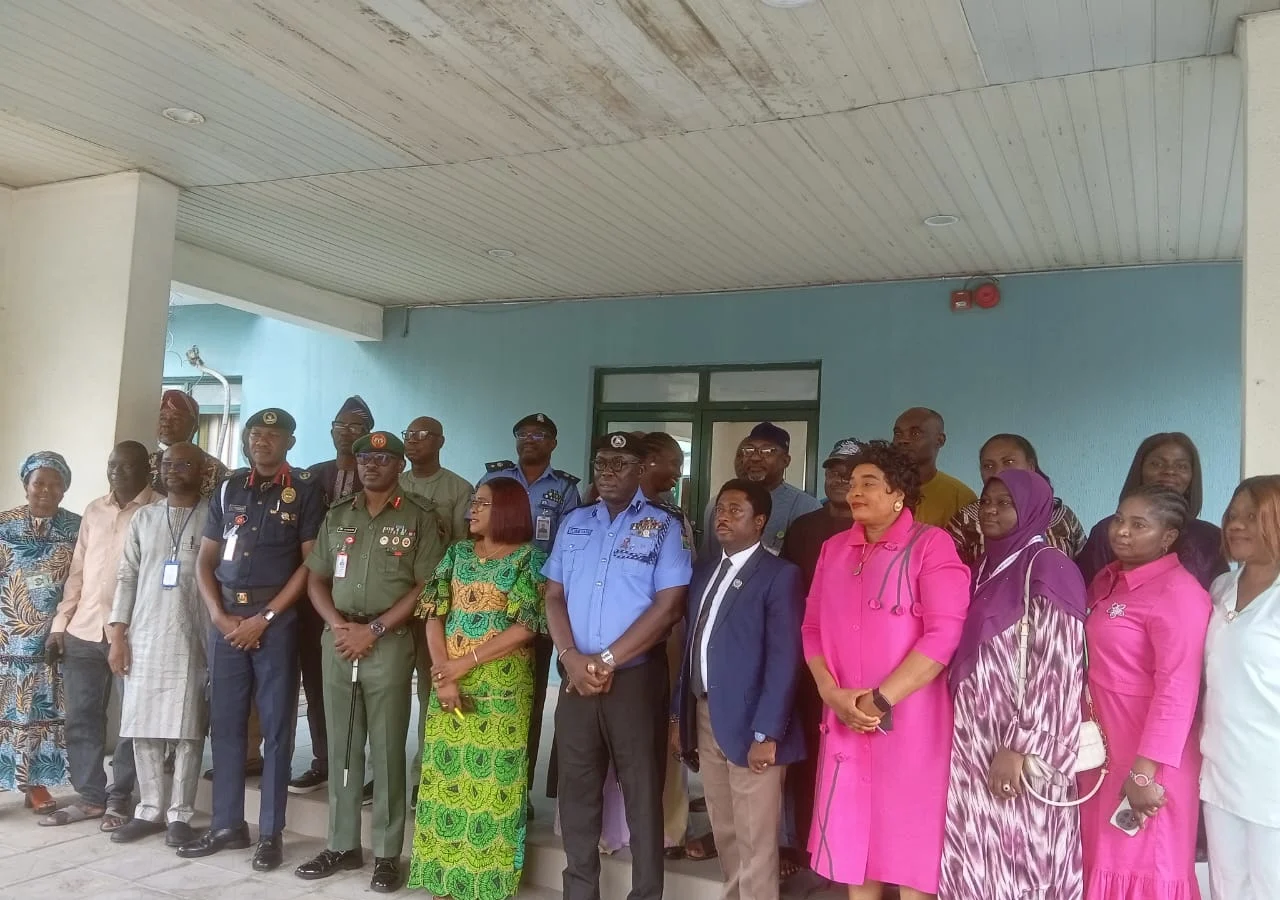
Prof. Ayobami Salami, INEC Resident Electoral Commissioner (REC) in Lagos, identified the risks at an Electoral Risk Management (ERM) Sensitisation Workshop organised by the commission’s Planning and Monitoring Department as part of preparations for the 2027 general elections.
Salami, who was represented by Mrs Adenike Tadese, the INEC Administrative Secretary in Lagos, said effective electoral risk management required early identification, assessment, monitoring and mitigation of potential threats to electoral activities.
He said the commission’s responsibility extended beyond responding to problems when they occurred to identifying vulnerabilities early and implementing appropriate preventive and contingency measures.
“Potential risks include security threats, political tensions, logistical delays, equipment failure, misinformation, disinformation and fake news, personnel challenges, and unforeseen environmental conditions.
“Our responsibility is not merely to respond when problems arise but to identify vulnerabilities early and implement appropriate preventive and contingency measures.
“Electoral Risk Management provides a systematic approach to identifying, assessing, monitoring, and mitigating risks that could disrupt electoral activities, threaten safety, or undermine public confidence,” he said.
Salami said elections were fundamental to democracy, adding that their credibility depended largely on effective planning, adequate preparation and the ability to anticipate and manage potential challenges.
He said the workshop was particularly significant given the relatively recent establishment of the Planning and Monitoring Department at the state level.
According to him, the department’s introduction provides an opportunity to strengthen institutional capacity, improve coordination and promote systematic planning, monitoring and evaluation of the commission’s activities.
“By drawing on the experience of the Directorates at the National Headquarters and adapting relevant practices to the operational realities of Lagos State, we can develop a more effective framework for electoral preparedness and risk management.
“I urge all participants to understand their respective responsibilities and work collaboratively with the Department to ensure that identified risks are properly documented, monitored, and addressed,” he said.
Salami noted that Lagos presented distinctive operational challenges arising from its large population, densely populated communities, extensive transportation networks and commercial activities.
He said these realities required careful planning, reliable information, timely deployment of resources and effective contingency arrangements to ensure smooth electoral operations.
According to him, Electoral Officers, Heads of Department and designated personnel must ensure that information gathered on potential risks is accurate, verified and promptly communicated to facilitate informed decisions.
“Such information will enable the Commission to make informed decisions, prioritise interventions, and direct resources to areas requiring special attention.
“Effective administration is central to successful electoral operations.
We must maintain accurate records, ensure compliance with established procedures, identify operational weaknesses early, and establish clear reporting and escalation channels.
“Risk management must become part of our daily responsibilities, not an activity reserved for Election Day,” he said.
The REC stressed the need for collaboration among members of the Inter-Agency Consultative Committee on Election Security (ICCES), the National Orientation Agency (NOA), the media and other relevant stakeholders.
He said security agencies were essential to threat assessment, intelligence sharing and the protection of electoral personnel and materials, while the NOA supported public enlightenment.
Salami added that the media had a vital role in disseminating accurate information and countering misinformation and disinformation capable of undermining public confidence in the electoral process.
“I encourage all stakeholders to strengthen existing partnerships, clarify responsibilities, and ensure timely information sharing within their respective mandates.
“We must also ensure that election technology is properly tested, personnel adequately trained, and appropriate contingency measures put in place to address technical and operational challenges,” he said.
He urged participants to use the workshop to identify operational gaps, share relevant experiences and develop practical solutions that would improve the commission’s preparedness for the 2027 general elections.
Salami said the success of the workshop should be measured by the practical improvements it brought to the commission’s preparedness and electoral operations.
“Electoral Risk Management is not only about predicting every problem that may arise.
“It is about identifying foreseeable risks early, understanding their potential consequences, and taking practical steps to prevent or minimize their impact.
“Every Electoral Officer, every Head of Department, and every relevant stakeholder has a responsibility to identify risks, report them promptly, and support timely intervention,” he said.
He warned that failure to act on early warnings could lead to major electoral problems, while appropriate and timely intervention could prevent a crisis.
“An early warning that is ignored may become a major electoral problem; an early warning that is properly managed may prevent a crisis.
“Let us remain vigilant, professional, and committed to ensuring that the 2027 General Election is peaceful, credible, transparent, inclusive, and worthy of public confidence,” he added.
Overviewing the objectives of the workshop, Mr Oluwole Ojo, INEC Head of Department, Planning and Monitoring, said that workshop was aimed at enhancing understanding of ERM, identification of electoral risks and improving early warning and response.
Ojo added that the objectives were also to enhance stakeholders collaboration and support evidence- based planning.
Ojo said, “Election security is the responsibility of all. We need to collaborate with all critical stakeholders.
We must come together and provide information on measures to tackle all risks and provide solutions to everything that can undermine the process.”
Speaking on behalf of members of ICCES, the Commissioner of Police in Lagos State, Mr Tijani Fatai, reaffirmed the commitment of the police and other security agencies to ensuring violence-free campaigns and elections in 2027.
Fatai said the police and sister agencies would adhere to approved guidelines and contribute to the successful conduct of the elections. (NAN)
AYO/BHB
========
Edited by Buhari Bolaji
Comments