


By Justina Auta
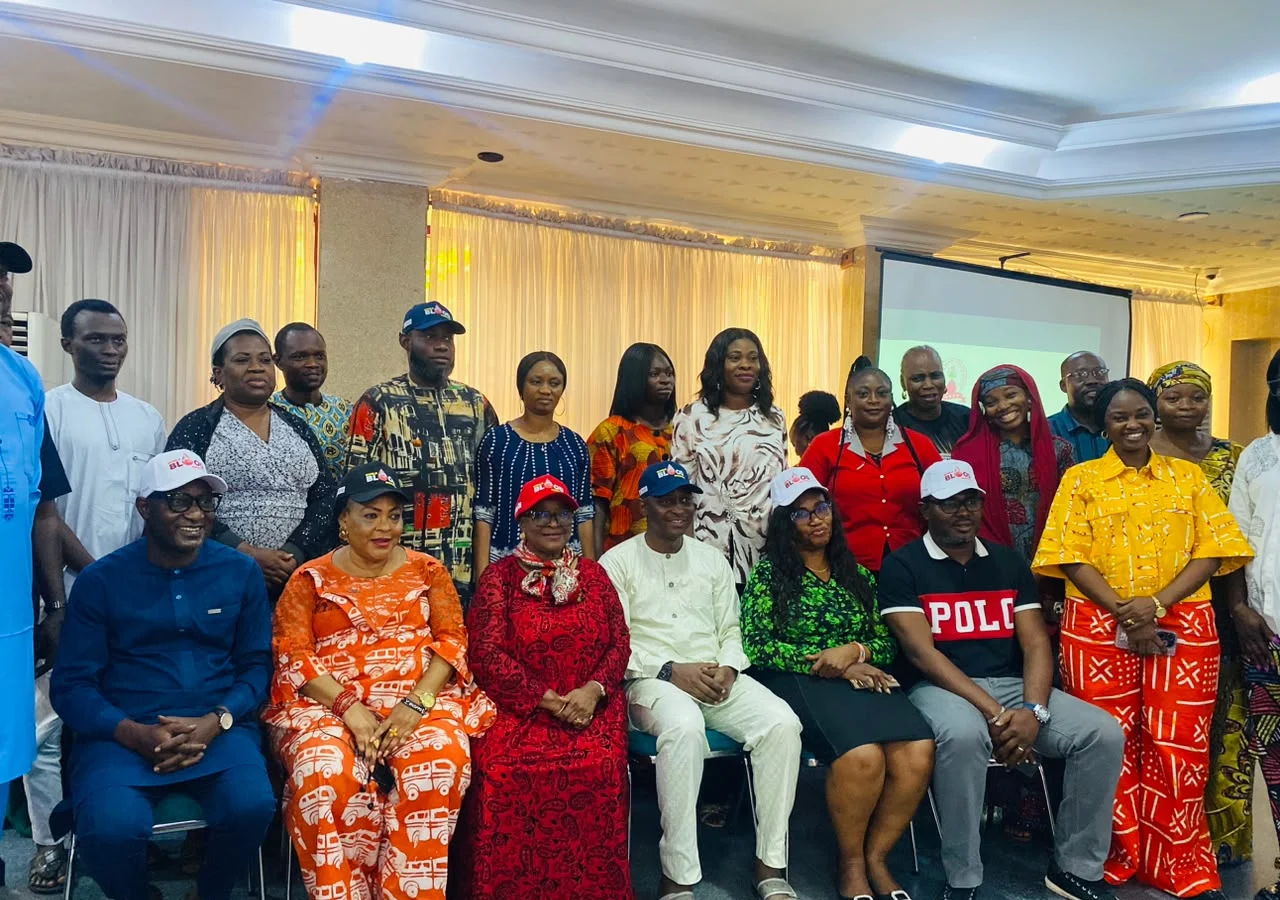
The National Blood Service Agency (NBSA) and the International Society of Media in Public Health (ISMPH) have inaugurated a media cell to promote voluntary blood donation and address misconceptions hindering access to safe blood in Nigeria.
The initiative was inaugurated during a media roundtable on voluntary blood donation and safe blood advocacy on Saturday in Abuja.
The Director-General of NBSA, Prof. Saleh Yuguda, represented by Dr Aliyu Waziri, Head of Operations Centre, Abuja, said the agency was mandated to promote safe, voluntary and non-remunerated blood donation nationwide.
Yuguda commended the media for its continued support and advocacy, noting that the media cell would help raise public awareness, combat misinformation, promote safe blood donation and encourage behavioural change.
He said Nigeria still faced a significant blood supply gap, with the agency generating only between 24,000 and 25,000 units of blood in 2025 from its centres to serve a population of over 200 million.
“We should be talking about at least two per cent of our population giving blood.
“So there is a huge gap that we need to fill. So it is our job, your job, to ensure this is actually met,” he said.
The NBSA DG said the agency currently operates 17 centres nationwide, including six offices across the geopolitical zones, the Abuja office and the Armed Forces Blood Transfusion Service.
He added that the agency was working to digitalise blood collection, monitoring and safety through the National Blood Management System programme.
“We will be able to track every unit from the donor to the person who receives the blood.
“So that in case there is going to be or there is a problem, we will be able to track that unit back to the person that donated the blood,” Yuguda said.
According to him, the digital system will provide a dashboard showing the number of blood units donated across the country and improve monitoring beyond data collected from individual offices.
He also said the agency would strengthen regulation of blood banks across the country by ensuring that public and private blood transfusion establishments register with the NBSA.
“We have various blood banks, both private and public blood banks. Somebody needs to regulate, and it is a function of the NBSA to regulate these practices,” he said.
Yuguda stressed the need for media involvement in addressing misconceptions surrounding blood donation.
“The media also comes in here because you need to debunk a lot of myths, misconceptions and so many other things here,” he said.
Similarly, Mrs Moji Makanjuola, Executive Director, ISMPH, emphasised the importance of voluntary blood donation in saving lives during emergencies and medical crises.
Makanjuola said the media remained critical in promoting safe blood donation through public education, awareness creation, advocacy and community mobilisation.
“The media plays a vital role in promoting safe blood and voluntary blood donation through public education, awareness creation, advocacy, and community mobilisation,” she said.
She added that media advocacy would help correct misconceptions, reduce fear, encourage regular voluntary donation and build confidence in blood transfusion services.
“Effective collaboration between the media, healthcare professionals, government, and the general public is essential to ensure an adequate and safe blood supply, and ultimately save lives,” she said.
Meanwhile, veteran journalists pledged their support towards promoting voluntary blood donation through sustained advocacy and public enlightenment.
Ms Evelyn Oyinlo, a veteran broadcaster and gender advocate, expressed concern over deaths caused by lack of blood during emergencies, including accidents, cancer complications and haemorrhage.
Oyinlo pledged to mobilise women groups to support campaigns promoting voluntary blood donation.
Mrs Bassey Ita-Ikpang, Chairperson, Nigeria Association of Women Journalists (NAWOJ), FCT Chapter, urged journalists to use their platforms to dispel fears, myths and misinformation surrounding blood donation.
“Beyond reporting events, we must tell human-interest stories, amplify accurate health information, challenge harmful misconceptions and encourage a culture of voluntary, regular and unpaid blood donation,” she said.
Mr Joseph Kadiri, President, Association of Nigeria Health Journalists (ANHeJ), also reaffirmed the commitment of health journalists to disseminating accurate information on blood donation.
The News Agency of Nigeria (NAN) reports that media organisations from print, broadcast and online platforms pledged continued support towards promoting voluntary blood donation and safe blood practices nationwide. (NAN)
Edited by Folasade Akpan

Comments