


By Priscilla Osaje
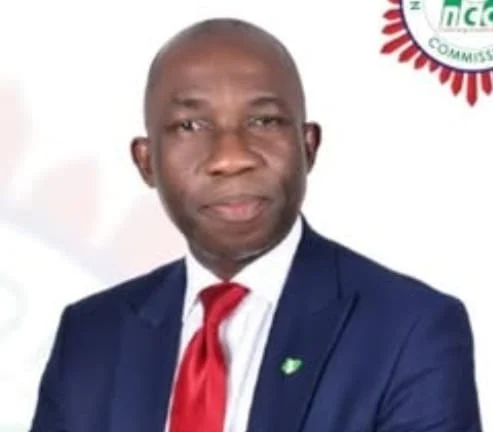
Mrs Ijeoma Egbunike, Director, Public Affairs Department, Nigerian Copyright Commission(NCC), says Nigeria’s creative sector has evolved into a significant contributor to the nation’s economic growth, cultural identity and international visibility.
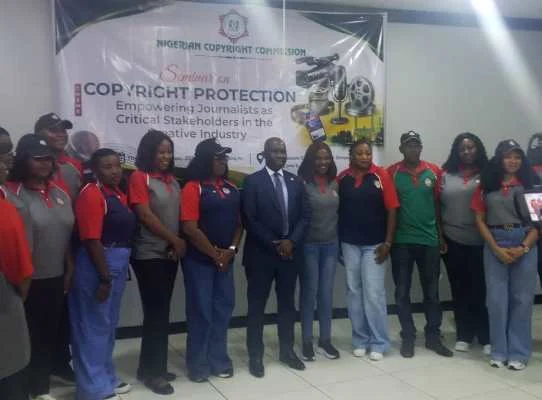
Egbunike stated this during her presentation at the 2026 edition of the annual copyright seminar for journalists, themed “Copyright Protection: Empowering Journalists as Critical Stakeholders in the Creative Industry,” on Thursday in Abuja
The director, who spoke on the topic “Reporting Creative Sector and Activities of Nigerian Copyright Commission,” said the sector has expanded across music, film, publishing, broadcasting, photography, visual arts, and digital content creation.
According to her, the sector provides employment, stimulates enterprise, attracts investment and projects Nigeria’s cultural influence across the world.
She noted that inspite of the enormous potential, the industry has continued to suffer substantial revenue losses, running into billions of dollars, largely due to piracy, copyright infringement and the poor management of intellectual property rights.
“Beyond these challenges, inadequate knowledge and understanding of copyright, particularly among creators and other industry stakeholders further undermined the sector’s ability to maximise its economic value.
“This underscores the urgent need for sustained, effective copyright education, awareness and capacity-building initiatives to equip creators and other stakeholders with the knowledge and skills to understand, protect, and manage their intellectual property,” she advised.
Speaking on the role of the media in driving this effort, Egbunike said journalists were not merely observers of developments in the creative industries.
She noted that journalists were creators through their reporting that shaped public understanding, influence attitudes, expose wrongdoing, promote accountability and contribute to the development of a society that respects intellectual property rights.
“For journalists covering the NCC, understanding the institution requires more than familiarity with its enforcement operations or public engagements.
“It requires an appreciation of the broader copyright ecosystem, the challenges confronting creators and rights holders, as well as the relevant legal framework and the commission’s responsibilities within Nigeria’s creative economy.
“The central message is that copyright reporting must go beyond entertainment news, piracy raids and enforcement headlines.
“It must tell the larger story of creativity, intellectual property, economic development and the protection of the rights and livelihoods of creators,” she stressed.
According to her, journalists need to know what copyright does, when protection arises, what it protect and idea expression.
She described copyright infringement as unauthorised reproduction or distribution of pirated books, uploading or distributing films without authorisation, manufacturing or selling unauthorised music recordings among others.
Egbunike urged journalists to help build a copyright-respecting society by educating audiences through news, editorials, features and documentaries, as well as giving visibility to the challenges confronting creators and rights holders.
“Others are by exposing piracy and other forms of copyright infringement, promoting compliance and informed coverage of the creative industries, holding institutions and stakeholders accountable and celebrating Nigerian creativity, innovation and enterprise.
“Distinguished journalists, copyright is much more than a legal or regulatory subject. It is an economic, cultural and developmental issue that directly affects the livelihoods, investments and aspirations of millions of people engaged in the creative industries.
” NCC has a statutory responsibility to administer, regulate, promote and enforce copyright protection in Nigeria. However, the responsibility of building a society that respects creativity cannot rest with the commission alone.
“”It requires the collective commitment of government, creators, rights holders, businesses, users, industry stakeholders and the media,” she said.
She called on journalists covering the commission to occupy a strategic position in this process, adding that their reports could influence public attitudes, expose abuses, promote accountability, educate consumers and strengthen confidence.
“I encourage you to look beyond the headlines, interrogate the issues, verify your facts and tell stories that demonstrate the value of creativity and the importance of protecting it”.
Also speaking, Mr Celebs Daniel, Assistant Director, Nigerian Copyright Academy, who spoke on the topic: Nigerian Copyright Commission: Legal Framework, functions and Mandate, said media is an indispensable partner in the growth and development of the creative sector.
According to o him, beyond providing entertainment and information, media serves as a vehicle for talent promotion, economic empowerment, cultural preservation, and copyright advocacy.
“A strong partnership between the media, government agencies, copyright institutions, and creative professionals is essential to building a vibrant, sustainable, and economically viable creative industry in Nigeria.
“”NCC believes that strengthening collaboration with the media will promote greater public awareness of copyright issues, enhance the dissemination of copyright information.
“Also encourage respect for intellectual property rights, combat copyright infringement and piracy and foster the growth and development of Nigeria’s creative industries,” he said.
Mr Mike Akpan, Principal Partner, Alpha-Edge Legal (IP and Corporate Consultants), said Artificial Intelligence (AI) is transforming journalism at an unprecedented pace, enabling faster content creation, while creating new challenges for accuracy, authenticity and public trust.
According to him, the greatest challenge is no.longer producing information, but verifying its authenticity. As AI grows, trust, transparency and facts-checking matter more than ever.
”AI systems can now autonomously generate patents art and literary content without direct human intervention, by creating a legal vacuum over ownership and attribution.(NAN)
Edited by Joseph Edeh
Comments