


By Glory Akpan
The African Export-Import Bank (Afreximbank) has pledged stronger financing for Africa’s creative economy, with a focus on strengthening production, distribution, branding and intellectual property ownership.
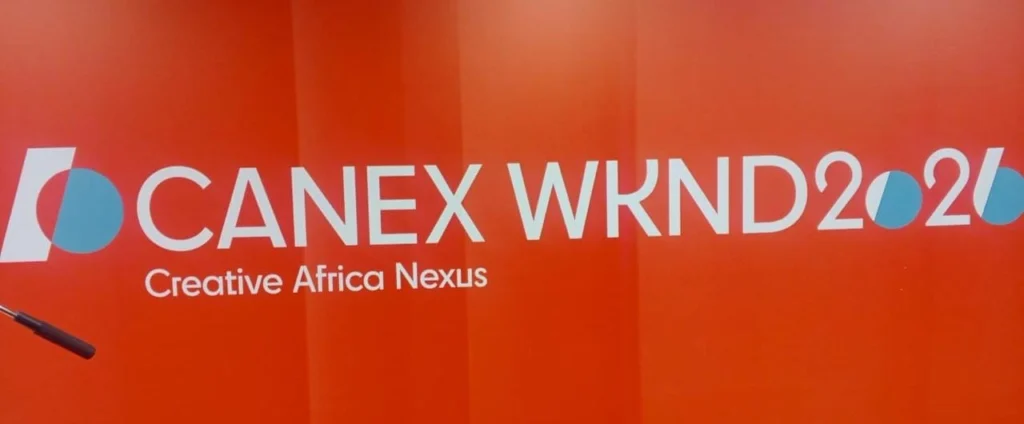
Dr George Elombi, President and Chairman of Afreximbank, made the commitment during his address at the Creative Africa Nexus (CANEX) Weekend 2026, with theme “One People, United in Culture, Creating for the World”, on Thursday in Lagos.
Elombi said African creatives had achieved global recognition through music, films, fashion, literature and visual arts, but the economic value generated by their works remained largely outside the continent.
According to him, Africa’s creative economy is estimated at 60 billion dollars by the United Nations Economic Commission for Africa, representing only two per cent of the global creative economy.
He said tha African creators often generated successful creative products while foreign entities retained ownership of distribution platforms, branding, marketing channels, catalogues and intellectual property rights.
“Our talent is global, our share of the value, unfortunately, is only local,” he said.
Elombi said Afreximbank had increased its financing commitment to the creative industry from 500 million dollars to one billion dollars and subsequently to two billion dollars in 2024, following growing demand.
He said the bank was investing in the entire creative ecosystem, including production facilities, distribution platforms, branding, marketing, logistics and intellectual property.
The Afreximbank president said the institution had also established the Pan-African Film Fund for Production and Distribution to strengthen African ownership of creative content and expand its global reach.
He added that through CANEX, the bank was investing in African intellectual property, including films, music catalogues and musical compositions.
Elombi stressed the need for African creatives to protect and register their intellectual property, noting that registered rights could be valued and used to access financing.
“A right that is not on record cannot be financed and the royalty no one can audit cannot be priced,” he said.
He urged governments to increase investment in cultural infrastructure, training, studios and performance venues, warning against cuts to cultural budgets during periods of economic pressure.
Meanwhile, Creative Icon Richard Mofe-Damijo called for increased investment, stronger intellectual property protection and improved distribution networks to enable African creatives to retain greater economic value from their works.
Mofe-Damijo, who made the call during his remarks, stressed that Africa needed to move beyond global recognition of its creative talents to building sustainable businesses and wealth.
He said African music, fashion, literature, films and visual arts had influenced the world, but the continent had yet to fully translate the influence into economic prosperity.
According to him, countries such as the U.S., South Korea and India had successfully leveraged their cultural industries to promote their identities, products, tourism and economic interests.
He said culture could influence global perceptions, consumer behaviour and tourism, adding that investment and strong institutions could transform cultural influence into economic power.
Mofe-Damijo said talent alone was insufficient to sustain creative industries, stressing the need for access to finance, intellectual property protection and reliable distribution networks.
He urged investors to finance creative businesses, policymakers to create enabling conditions for the sector and creatives to protect their works and build strategic partnerships.
The Icon said Africa must focus on ownership and wealth creation rather than merely being recognised globally for its creativity.
He said the continent had already demonstrated its creative influence and must now build industries capable of generating sustainable businesses, jobs and lasting economic wealth. (NAN)www.nannews.ng
Edited by Vivian Ihechu


Comments