


By Olasunkanmi Onifade
The Rural Electrification Agency (REA) has called for increased investment in clean energy, smart mobility and artificial intelligence (AI) governance to support Nigeria’s development.
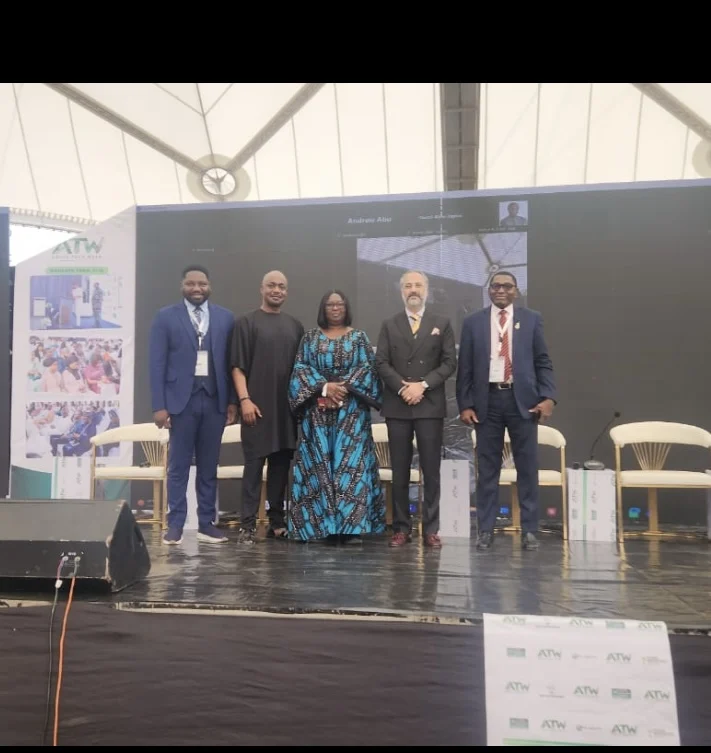
The Managing Director of REA, Mr Abba Aliyu, made the call on Tuesday in Abuja at the Abuja Tech Week, co-hosted by REA, Young Innovators of Nigeria (YIN) and the Nigeria Computer Society (NCS), Abuja Chapter.
The News Agency of Nigeria (NAN) reports that the event is themed: “Energising Smart Mobility: Powering Cities of the Future”.
Aliyu, represented by the Assistant Director, Planning, Research and Development, Mr Bala Tyoden, said Nigeria’s transition to electric mobility would require substantial investment in electricity generation.
He said half of the country’s registered vehicles switching to electric power would require more electricity than the national grid currently supplied.
Citing National Bureau of Statistics data, he said Nigeria had about 11.8 million registered vehicles, adding that powering half of them at an estimated 20 kilowatt-hours daily would require nearly 5,000 megawatts of electricity.
He said the Nigerian Electricity Regulatory Commission (NERC) had reported that the national grid generated an average of slightly above 4,000 megawatts in recent months.
“So half of our present fleet, once electric, would need more electricity than the whole grid currently delivers,” Aliyu said.
He said the transition must be accompanied by increased electricity generation, particularly solar power installations near parking facilities.
Aliyu recommended starting the transition with buses, tricycles, motorcycles and delivery vans.
He said Nigeria had more than 27,000 filling stations but fewer than 50 public electric vehicle charging stations as at the end of 2025.
He added that the Federal Government commissioned the first of 100 electric buses for civil servants in Abuja in August, while REA had installed solar-powered charging points in Jigawa and Tunga, Awe Local Government Area of Nasarawa State.
Aliyu cautioned against deploying substandard systems and called on polytechnics and technical colleges to train technicians to support the emerging sector.
Also speaking, the Chairman of NCS, Abuja Chapter, Mr Andrew Abu, said Nigeria needed a smart mobility framework driven by data, clean energy and local innovation.
“Energising smart mobility means we must power not just our vehicles, but our vision for the future,” Abu said.
He said NCS would collaborate with stakeholders to develop a skills blueprint and support the National Innovation Challenge.
The President of YIN, Ms Joy Buba, said young Nigerians should lead the country’s transition to smart mobility.
“Energising smart mobility is about energising young people. If we power youth innovation, youth innovation will power our cities,” she said.
Buba said YIN would mobilise innovators across the 36 states and the FCT to develop home-grown solutions for transportation and green logistics.
She also called for the inclusion of women and persons with disabilities in the emerging sector.
In a related development, the Chairman of the Nigeria AI Forum (NAIGF), Mr Olusola Teniola, called for stronger intergovernmental coordination to implement the National Artificial Intelligence Strategy (NAIS).
Teniola made the call in an open letter to President Bola Tinubu at the launch of the forum.
He sought presidential support for inter-ministerial coordination under Pillar Five of NAIS, led by the Federal Ministry of Communications, Innovation and Digital Economy (FMCIDE) and the National Information Technology Development Agency (NITDA).
He also proposed formal recognition of NAIGF as an independent, non-regulatory national multi-stakeholder platform.
Other proposals included a presidential directive, designation of focal officers in ministries, departments and agencies (MDAs), an inclusive charter and a national engagement framework for United Nations and African Union processes.
He further called for a time-bound implementation roadmap and annual progress reports.
“Countries that build the institutional capacity to govern AI responsibly will help shape its future. Nigeria must be among those countries,” Teniola said. (NAN)
OEO/TAK

Comments