


The Rise of Mobile Sports Entertainment Across Africa
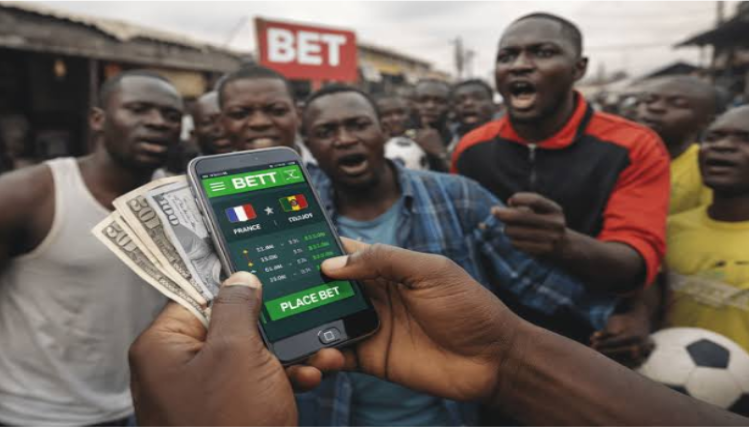
Saturday afternoon, Soweto. A man is standing outside a small shop. He is holding a phone in one hand and there is a Premier League match being shown on a screen. The screen has a crack running from corner to corner. He’s not at the stadium. He’s not watching TV. The whole experience, including the match, the roar and the commentary, is available on a device that fits in his palm.
This scene didn’t exist ten years ago. Now it’s the default.
It’s much bigger than just one man standing outside a shop.
Why Africa Went Straight to Mobile
Most coverage skips over this. Africa never had a desktop era to lose.
Most of the continent went from no internet straight to smartphones – no decade of sitting at a PC, no broadband buildout, no dial-up nostalgia. That leap did something special: it created habits that are made for mobile from the ground up. The platforms that are built for that reality are the ones that are doing well. Everyone else is retrofitting.
The numbers make it clear. People placed a total of R1.5 trillion worth of bets in South Africa in the last reporting period, which is more than the R1.1 trillion they bet in the previous year. A 2025 survey by GeoPoll found that 83% of people in South Africa had placed a bet – the highest rate in Africa, overtaking Kenya, which had led for years. And 94% of African gamblers now bet on a phone. Not a laptop. Not a shop counter. A phone.
What Live Betting Changed
The way they behave tells the real story. In-play betting, which is when you place a bet while the match is live, now accounts for almost half of all sports bets in several markets.
Think about what that means. This isn’t someone who’s spent the night before studying a form guide. It’s someone watching the 73rd minute and reacting to it, right then, because the phone makes it possible and cheap data makes it easy. The difference between watching and acting is very small.
Football is the most important thing. GeoPoll’s 2025 figures show that 60% of respondents think it is the best choice. But watch the mover underneath: Aviator, the fast crash-style game, was the main format for 24% of players. That’s the sign. People are starting to spend their money on more than just sports. The phone is now an entertainment surface, and sport is one of the channels available on it.
The Money Left the Casino Floor
Traditional casinos are more cautious. The money made from casinos in South Africa went down by 4.1% at the same time as mobile sales went up a lot.
That decline isn’t just a short-term problem. It’s structural – customers walk off the floor and into an app, and then never come back. By 2026, most people are expected to have a mobile phone. Mobile money, such as M-Pesa and MTN Mobile Money, has eliminated the need for a bank account to move money in or out. For an online casino South Africa operator like jabulabets.co.za, that’s the whole point. You can deposit and withdraw money on the same device that you use to match streams.
The next big event is the 2026 FIFA World Cup. Every tournament brings in new players, and the ones who arrive on mobile stay on mobile.
The man outside the shop won’t go back to the stadium. He was never really going to.
FAQ
How popular is mobile sports betting in South Africa?
Very. GeoPoll’s 2025 survey found 83% of South African respondents had placed a bet – the highest in Africa. Turnover reached R1.5 trillion, and 94% of African gamblers now use a phone.
Why did mobile skip the desktop era in Africa?
Most markets had no PC broadband culture. Users went straight from no connectivity to smartphones, creating mobile-native habits that entertainment platforms were built around.
What sports dominate African mobile betting?
Football, by a wide margin – 60% name it primary. Crash-style games like Aviator have surged to 24%, showing the phone is now a broad entertainment surface, not just a sportsbook.