


By Rabiu Sani-Ali
Bauchi State has clinched the first position of the Nigeria Learning Passport (NLP) enrolment exercise with 58,431 users.
NLP is an online e-learning platform with mobile and offline capability that enables continuous access to quality education by closing the poverty learning gap.
It is being implemented in collaboration between the United Nations Children’s Fund (UNICEF), Federal and State Governments.
A factsheet released by the Bauchi NLP Coordinating Unit, showed that the state has the highest number of NLP enrolled users in Nigeria.
“Bauchi takes the first position with a total of 58,431 users overall, followed by Sokoto and Kebbi on 2nd and 3rd positions,” it said.
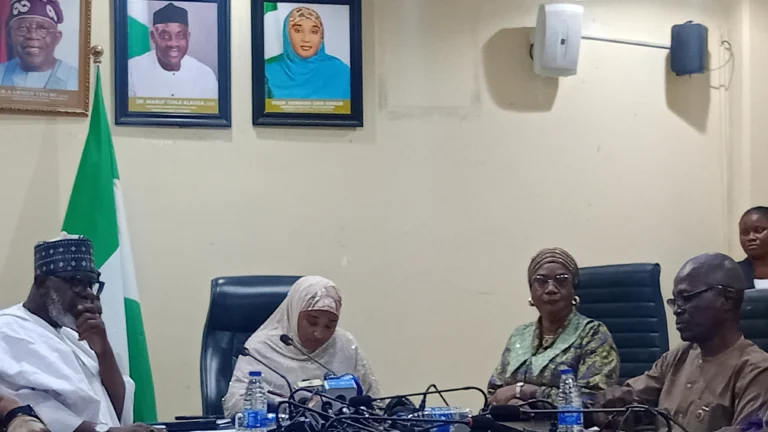
Commenting on the development, the state’s Commissioner for Education, Dr Jamila Dahiru, said the feat was achieved due to strong commitment of Bala Mohammed’s administration towards raising the standard of education.
Dahiru, who spoke through Sa’adatu Usman, Coordinator, Development Partners in the Bauchi Ministry of Education, said the state would achieve the targeted 75,000 NLP users by the end of the year.
She said the ministry had trained teachers and Corps members to fast track NLP User enrolment across the 20 local government areas of the state.
No fewer than 1,000 teachers and facilitators were trained from 60 selected schools, four higher institutions and 11 CBTs on digital literacy.
“Each child is being enrolled into the NLP, for that we pray to exceed the target by end of 2023,” she said.
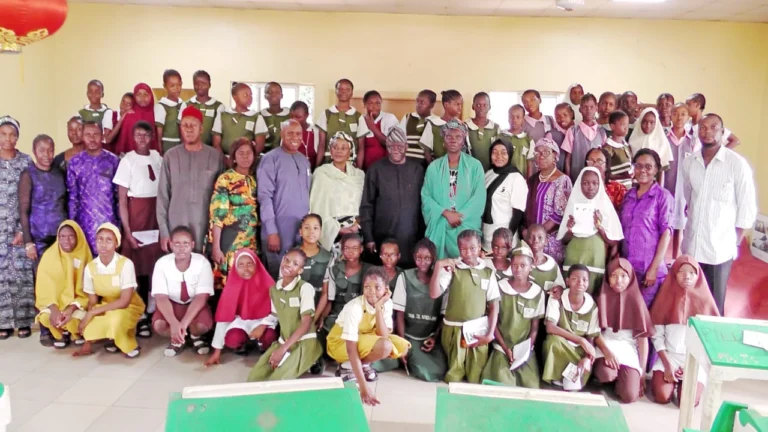
The commissioner said the state government had distributed 22 tablets each to 40 selected schools and 15 Integrated Qur’anic Schools with support of the UNICEF.
She reiterated government commitment to ensure full implementation of the NLP programme to enhance access to free quality education for all.
Launched in March 2022, the NLP now operates in 18 states across Nigeria.
With support from partners like Airtel Africa and IHS Towers, the platform is accessible at no cost on Airtel devices, and efforts are being made to ensure schools have internet connectivity.
These public-private partnerships are bridging the digital learning divide, ensuring that every child has equal opportunities to learn. (NAN)(www.nannews.ng)
Edited by Sadiya Hamza

Comments