


By Rukayat Moisemhe
The Chairman of Standard Chartered Bank Nigeria Ltd., Mr Foluso Phillips, has urged directors to integrate diplomacy, trade and geopolitical intelligence into corporate strategy for sustainable business growth.
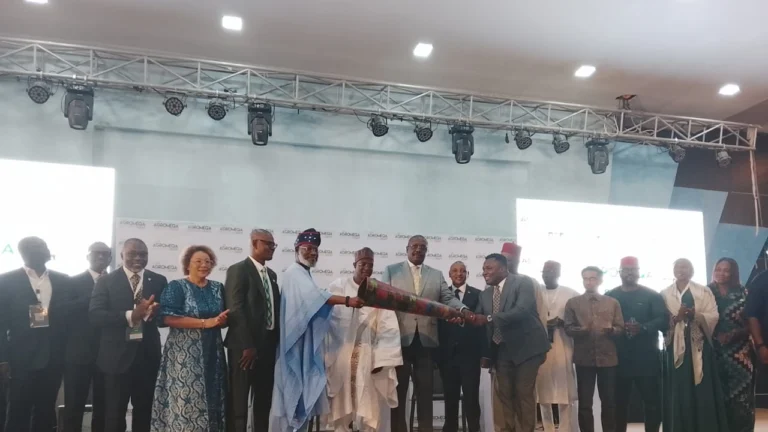
Phillips, who is also Chairman of Phillips Consulting Ltd., gave the advice on Wednesday in Lagos at the Chartered Institute of Directors (CIoD) Fellows Luncheon.
The event had the theme: “Directors at the Crossroads of Diplomacy, Trade and Corporate Strategy.”
He said shifting global power dynamics, trade realignments, sanctions and economic decoupling were reshaping international commerce and demanding a rethink of traditional business strategies.
According to him, the post-Cold War multilateral order is fracturing, creating strategic turbulence for businesses across the world.
Phillips said Nigeria, despite its population of over 220 million people and status as Africa’s largest economy, continued to underperform in economic diplomacy.
He described diplomacy as a long-term investment in relationships rather than transactional engagements, noting that countries successful in international trade had built strong diplomatic capital over time.
“Diplomacy is long-term relationship capital. Relationships must be built before they are needed through sustained engagement and presence,” he said.
Phillips also called for greater awareness and participation in the African Continental Free Trade Area (AfCFTA), particularly among Micro, Small and Medium Enterprises (MSMEs).
He said Nigeria’s estimated 39 million MSMEs contributed nearly 50 per cent of the country’s Gross Domestic Product and accounted for most private-sector employment, yet many remained disconnected from export markets.
He advocated a nationwide AfCFTA literacy campaign, establishment of help desks in all local government areas, simplified business registration processes, dedicated export financing and stronger certification systems.
Phillips also proposed the creation of a N500 billion AfCFTA MSME Export Fund, development of a national digital marketplace and investment in transport and logistics infrastructure to support cross-border trade.
Earlier, President of CIoD Nigeria, Mr Adetunji Oyebanji, said current macroeconomic and geopolitical realities required a reassessment of the role of directors.
Oyebanji said boardroom decisions were increasingly influenced by global developments, making it imperative for directors to understand the intersection of diplomacy, trade and corporate strategy.
“The modern boardroom has lost its walls. Every local operational decision is now linked to global shifts, geopolitical alignments and cross-border commercial dynamics,” he said.
He described AfCFTA as a major opportunity for African businesses, noting that the agreement created a market of more than 1.3 billion people with a combined GDP exceeding three trillion dollars.
According to him, translating the benefits of the trade pact into corporate growth will require deliberate boardroom leadership, regional expansion strategies and greater export readiness.
Also speaking, Chairman of the CIoD Nigeria Fellows and Awards Committee, Mr Tijjani Borodo, said directors could no longer focus solely on internal efficiencies and domestic market performance.
Borodo said corporate leaders required diplomatic acumen to navigate geopolitical shifts, regional trade agreements and international sanctions.
He urged directors to transform emerging macroeconomic risks into long-term corporate advantages through proactive governance and strategic foresight.
Edited by Chinyere Joel-Nwokeoma


Comments