


By Doris Esa
The International Centre for Environmental Health and Development (ICEHD) and the Birth Justice Initiative (BJI) have partnered to reduce maternal and newborn mortality in the country by nurturing birth justice movements
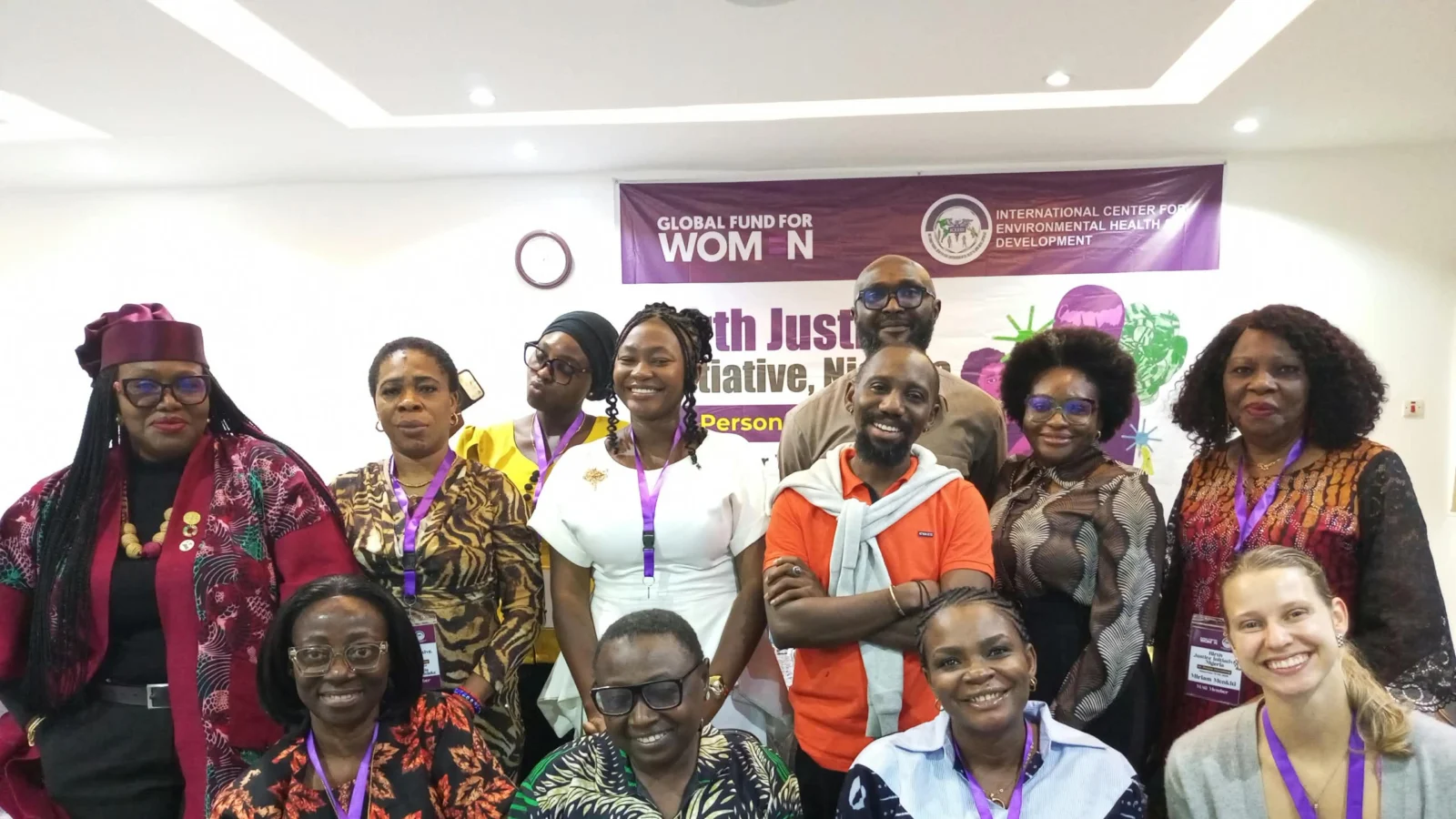
Mrs Ijeoma Egwuatu, Global Fund for Women (GFW) and a consultant for BJI in Nigeria, stated this at a four-day stakeholders meeting on Wednesday in Abuja.
The meeting brought together members of Nigeria’s Movement Advisory Group (MAG) and representatives of supporting partners to strengthen the national birth justice ecosystem and funding for maternal and newborn health.
The initiative is focused on strengthening national Birth Justice ecosystems and funding for maternal and newborn health.
It seeks to strengthen the Nigerian Birth Justice movement, advancing grassroots advocacy and building a more connected and inclusive movement for change.
According to Egwuatu, birth justice is ensuring that every woman, irrespective of her economic status, age, disability, geographical location or social background, has access to quality, safe, respectful and dignified healthcare before, during and after childbirth.
“The primary goal of BJI is to contribute to the reduction of maternal and newborn mortality by nurturing Birth Justice Movements that amplify grassroots voices, leadership, and advocacy for maternal and newborn health.
“It examines the social, economic, and political conditions that impact pregnancy, childbirth, and reproductive well-being. The health of a mother and her newborn are closely connected,” she said.
She said that access to quality antenatal care, skilled birth attendance, emergency obstetric care and appropriate postnatal services improves outcomes for both.
According to her, the initiative is being implemented in Kenya and Nigeria through a participatory grant-making mechanism that directs resources to grassroots organisations.
She said its ambition went beyond providing financial support to individual organisations, adding that its advocacy priorities included promoting respectful maternal healthcare, strengthening rural and grassroots movements and advancing disability inclusion.
She explained that beyond medical complications, women face poverty, high cost of care, inadequate facilities, harmful social norms, gender-based violence, stigma, among others.
“No woman should lose her life, experience discrimination, or be denied quality healthcare simply because of who she is, where she lives, or what she can afford.
“Birth justice is not a privilege; it is a matter of dignity, equity and human rights,” she said.
She described the media as an important partner in raising awareness, amplifying women’s experiences, challenging harmful narratives and highlighting gaps in healthcare delivery.
Also speaking, Emmanuella Nwabuije, Executive Director, Committed Soul Women Health Advocacy Africa Initiative and a BJI member, said the initiative was focused on addressing the rights and health of women.
Nwabuije said it also sought to promote maternal health, gender justice and respectful maternity care, while ensuring that women received appropriate guidance throughout pregnancy.
She said the initiative was also looking at the issue of domestic violence, periods of pregnancy, and postpartum depression faced by women after childbirth.
“We are pushing that regardless of race, gender, religion, people should be treated right; women should be treated right,” she said.
Similarly, Mr Odi Agev, an independent consultant, said the meeting was aimed at creating awareness about safe pregnancy, motherhood care and neonatal health.
Agev said BJI also helped to increase understanding of available healthcare services and how women could access them.
He urged organisations to keep creating awareness, creating educating materials, and directing people to facilities to access services.
“I think that information is power. Information is key. I think many women, many people don’t know where to get information, where to get access to services,” he said.
Participants at the meeting reflected on how to strengthen grassroots leadership, improve collective advocacy and ensure that the experiences of women, girls and other marginalised communities remain central to decisions affecting their health and wellbeing. (NAN)
Edited by Joseph Edeh



Comments