


By Charity Nwosu
Some residents of the Federal Capital Territory (FCT) have expressed concern over the sharp increase in transport fare ahead of Eid-el-Kabir (Sallah) celebration, saying it has disrupted their travel plans.
The residents spoke in interviews with the News Agency of Nigeria (NAN) on Tuesday in Abuja.
They said the rise in transportation costs, driven largely by increased fuel prices and economic hardship, had made inter-state travel difficult for many families.
Mr Shuaibu Umar said he had planned to travel to Kano with his family for the celebration but was forced to reconsider because of the high transport fares.
“Last year, I spent about N50,000 for my family’s trip, but now transport companies are charging more than N95,000.
“With the current economic situation, I may celebrate Sallah here in Abuja instead.
“It is becoming difficult for an average Nigerian to travel. Things are very hard now. Fuel price increase has affected everything, especially transportation.
“Even moving from one part of Abuja to another is now expensive. People now think twice before embarking on any trip,” Umar said.
Another resident, Mrs Amina Inusa, said the situation had affected the usual festive movement associated with Sallah celebrations.
“Normally, motor parks would be very busy at this time, but many people are staying back because of the cost of transportation.
“Everything is expensive now. Fuel price affects transportation, food and even ram prices. With the high cost of food and other necessities, travelling has become difficult.
“Many families cannot afford to travel this Sallah because transport fares are too high,” she added.
Mrs Fatima Abubakar said she had to save money for several weeks to afford the journey.
Abubakar said that in spite of the financial difficulties, she insisted on travelling because festive periods provided opportunities for family bonding and emotional support.
“Sallah holidays are one of the few opportunities we have to reunite as a family.
“My children have been looking forward to visiting their grandparents.
“The transport fare is very high, but family connection is important. We cannot completely abandon our traditions because of hardship,” she said.
She added that being with loved ones during festive periods brought joy and comfort in spite of the economic challenges.
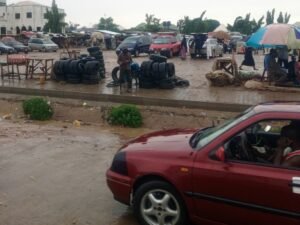
A driver at Zuba Motor Park, Mr Peter Okeke, said transport operators were also struggling to cope with rising operational costs.
“People are travelling less this year because of the high fares. Some passengers even negotiate aggressively because they cannot afford the current prices.
“We are not happy increasing fares, but fuel prices, engine oil and vehicle parts are very expensive now. If we don’t adjust fares, we cannot sustain the business,” Okeke said.
He added that many residents had chosen to celebrate Sallah in Abuja instead of travelling to their hometowns.
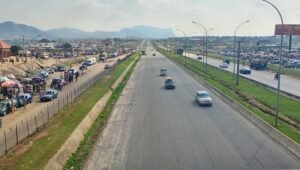
Another driver in Dei-Dei, Mr Bello Musa, appealed to the government to introduce measures that would ease the burden on both transporters and commuters during festive periods.
“We need relief because people are suffering. Sallah is supposed to be a joyful season, but many families cannot afford to travel or celebrate properly,” he said.
Some transport operators at major motor parks in Abuja also confirmed a decline in passenger turnout compared to previous festive seasons.
They said many travellers now preferred to postpone trips or seek cheaper alternatives because of the high fares.
NAN reports that transport fares from Abuja to several northern, southern and eastern states have increased significantly ahead of the Sallah celebration.(NAN)(www.nannews.ng)
Edited by Magdalene Ukuedojor


Comments