


By Safia Abdulrahman
A medical doctor at the Jos University Teaching Hospital (JUTH), Dr Nankwat Jeplah, has expressed concern over the continued burden of diphtheria in Nigeria, urging stronger prevention efforts and public awareness.
Jeplah said this in an interview with the News Agency of Nigeria (NAN) in Abuja on Thursday, urging Nigerians to embrace vaccination and preventive measures to curb the disease’s spread.
The Nigeria Centre for Disease Control and Prevention (NCDC), in its Week 32 epidemiological report, recorded more than 10,000 confirmed diphtheria cases in 2026, reflecting the disease’s continued prevalence.
The NCDC classifies diphtheria as an emergency disease in Nigeria and has established a dedicated national surveillance and outbreak response framework to strengthen detection, monitoring, containment and response efforts.
Jeplah explained that diphtheria is a serious and highly contagious bacterial disease caused by Corynebacterium diphtheriae, posing significant health risks, particularly among unvaccinated individuals and vulnerable populations nationwide.
According to him, the disease spreads through respiratory droplets produced when infected persons cough or sneeze, while contact with contaminated surfaces can also facilitate transmission and increase infection risks.
He said that individuals without symptoms could carry and transmit the infection, making early detection, surveillance, prompt diagnosis and adherence to preventive measures essential for reducing disease spread.
Jeplah said diphtheria mainly affected the mucous membranes of the nose, mouth and throat, although it could also occur as a skin infection, resulting in additional health complications.
“Symptoms appear three to five days after exposure and include mild fever, sore throat, running nose, drooling, red eyes, neck swelling, painful or difficult swallowing, and difficulty in breathing.
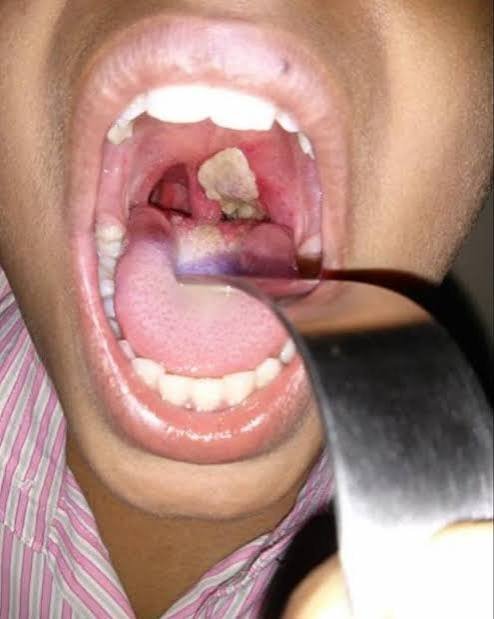
“An ash-to-grey-coloured pseudomembrane covering the affected mucous membranes is a characteristic feature of diphtheria,” he said, noting that prompt medical attention remained essential for effective management.
The doctor warned that severe cases could lead to airway obstruction and oxygen desaturation, requiring urgent hospital care and, in some situations, admission to an intensive care unit.
According to him, management of severe diphtheria requires securing the patient’s airway, hospital admission and close monitoring in an intensive care unit to improve outcomes and prevent complications.
He emphasised that vaccination remained the primary preventive measure against diphtheria, warning that incomplete immunisation could contribute to increased transmission and a higher disease burden within communities.
Jeplah urged Nigerians, particularly parents and caregivers, to ensure children received recommended diphtheria-containing vaccines and seek prompt medical attention whenever symptoms suggestive of the disease were observed.
Diphtheria is a vaccine-preventable disease that can cause severe complications and death, particularly when diagnosis and treatment are delayed, highlighting the importance of vaccination and timely healthcare intervention.(NAN)
Edited by Cecilia Odey/Abiemwense Moru


Comments