


By Olajide Idowu
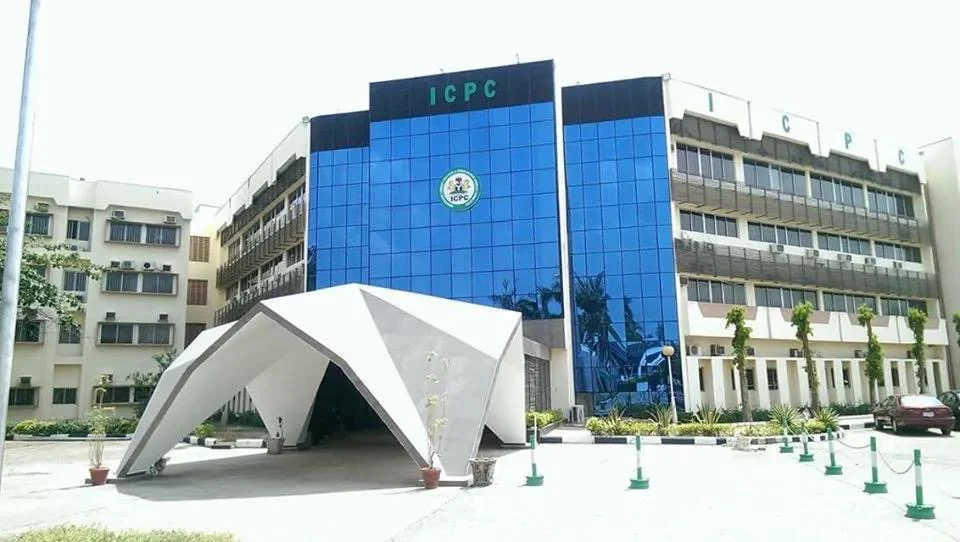
The Independent Corrupt Practices and Other Related Offences Commission (ICPC) has urged banks to strengthen their compliance mechanisms to prevent financial crimes and corruption.
The ICPC Acting Resident Anti-Corruption Commissioner in Osun, Mrs Winifred Ingobro, made the call during a meeting with banks’ compliance officers on Wednesday in Osogbo.
Ingobro said the meeting was aimed at exchanging ideas and improving information sharing to curb financial crimes.
“We are gathered not just to exchange ideas but to identify practical ways of strengthening cooperation and improving information sharing within the provisions of the law.
“This includes identifying suspicious financial transactions, promoting compliance with anti-money laundering regulations and ensuring timely reporting of relevant financial activities,” she said.
Ingobro said the banking sector occupied a strategic position in the country’s financial system, adding that banks, as custodians and facilitators of financial transactions, played critical roles in ensuring transparency, accountability and the integrity of financial activities.
She said banks were not merely financial service providers but important stakeholders in preventing the movement and concealment of proceeds of corruption and other financial crimes.
Ingobro said the fight against corruption could not be left to anti-corruption agencies alone, stressing that it required the collective commitment of government institutions, financial institutions, regulatory bodies and the general public.
She said the engagement was not intended to intimidate or undermine the operations of any financial institution.
According to her, the meeting provides an opportunity to build mutual understanding, strengthen professional relationships and establish a more effective framework for cooperation in the interest of national development.
Also speaking, the commission’s Assistant Commissioner, Mr Julius Ogar, said Nigeria had over the years lost billions of naira to corrupt practices, resulting in illicit financial flows, money laundering and other forms of corruption.
Ogar said funds meant for developmental projects were often stolen and moved out of the country by government officials and their collaborators, sometimes with the assistance of bank officials.
Speaking on compliance, he said banks needed to conform to applicable laws, standards, requirements, policies, rules and regulations to prevent financial crimes and corruption.
He said compliance in the financial services sector required banks and their officials to act in accordance with established procedures and requests by financial investigators concerning suspicious banking transactions.
Ogar explained that compliance operated at two levels – external rules imposed on financial institutions and internal control systems established to ensure adherence to such rules.
He, however, warned that non-compliance exposed financial institutions and their officers to serious criminal and financial risks, adding that offences relating to non-compliance attracted severe consequences under the ICPC Act, 2000.
In a lecture titled, “Ethics and Integrity in the Workplace: The Compliance Officer as Gatekeeper”, the ICPC Head of Public Education Unit in the state, Mr Sulyman Laaro, highlighted the history and functions of the commission.
Laaro said banks, as financial institutions, were subject to anti-money laundering regulations and related reporting obligations.
He said compliance officers played important roles in ensuring that their institutions fulfilled statutory and regulatory responsibilities.
He urged the officers to make personal commitments to shun corruption, describing it as their contribution to the survival and development of the country.
Laaro said although the total elimination of corruption might be difficult because of human nature, it was possible to build a society where corruption would be reduced to the barest minimum.
The banks’ compliance officers at the meeting also raised various banking and financial issues, which the ICPC officials addressed by explaining possible actions and steps to resolve them. (NAN)
Edited by Victor Adeoti/Tayo Ikujuni


Comments