


By Ibukun Emiola
Oyo State has recorded 131 suspected Lassa fever cases from January to Sept. 10, with six confirmed cases and one death, the state Commissioner for Health, Dr Oluwaserimi Ajetunmobi, has said.
Ajetunmobi disclosed this in an interview with the News Agency of Nigeria (NAN) in Ibadan on Thursday.
The commissioner clarified that the figures did not indicate an ongoing outbreak of Lassa fever in the state.
She said that Lassa fever was endemic in some parts of the state, adding that a single confirmed case was technically regarded as an outbreak.
“However, such suspected cases could not be classified as confirmed until laboratory tests established the infection.
“Many suspected cases were reported because the initial symptoms of Lassa fever could resemble malaria and other febrile illnesses.
“We have 131 suspected cases and out of these, we have six confirmed cases and one death,” she said.
The commissioner noted that some patients initially presented with fever and other symptoms that could be associated with malaria or other infections, making laboratory testing necessary for proper diagnosis.
She said that samples from suspected cases were collected and sent to laboratories for confirmation, adding that confirmed cases were treated immediately.
Ajetunmobi said the state’s public health emergency operation centre and surveillance notification officers were activated when a suspected case was identified, with samples taken for laboratory testing.
“If it’s Lassa fever, we treat it immediately, and suspected cases that tested negative were subsequently ruled out,” she said.
She, however, urged residents to maintain a high index of suspicion, particularly as changing climatic conditions appeared to be affecting the traditional seasonal pattern of Lassa fever transmission.
The commissioner said that Lassa fever was traditionally associated with the dry season, particularly around October and November and again around March and April, but suspected cases were now being recorded outside those periods.
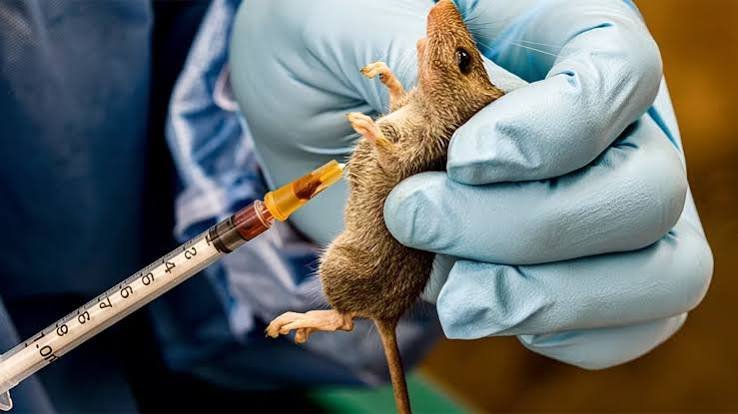
She urged residents to practise proper environmental hygiene, noting that poor waste disposal could create conditions favourable to multimammate rats, which are associated with Lassa fever transmission.
Ajetunmobi advised households to keep their environments clean, properly dispose of refuse, cover openings through which rodents could enter homes and ensure that food was kept covered.
She also encouraged residents to wash their hands regularly with soap and water or use hand sanitiser where necessary.
The commissioner particularly advised healthcare workers to observe appropriate infection prevention and control measures when attending to patients presenting with fever or other symptoms.
“Treat every patient as a case of infection. It is very important to use gloves, face masks and other appropriate personal protective equipment when attending to patients,”she said.
Ajetunmobi said symptoms that should raise suspicion included fever, sore throat, vomiting, weakness and, in severe cases, bleeding from body openings.
She urged residents not to conceal illness or delay seeking medical attention, warning that late presentation could result in complications.
The commissioner also called for greater public awareness of Lassa fever and other infectious diseases, saying the current alerts were intended to encourage vigilance rather than create panic.
She said that residents should take ownership of their health by adopting preventive measures and seeking medical attention when symptoms persisted. (NAN)
Edited by Remi Koleoso



Comments