


By Racheal Abujah
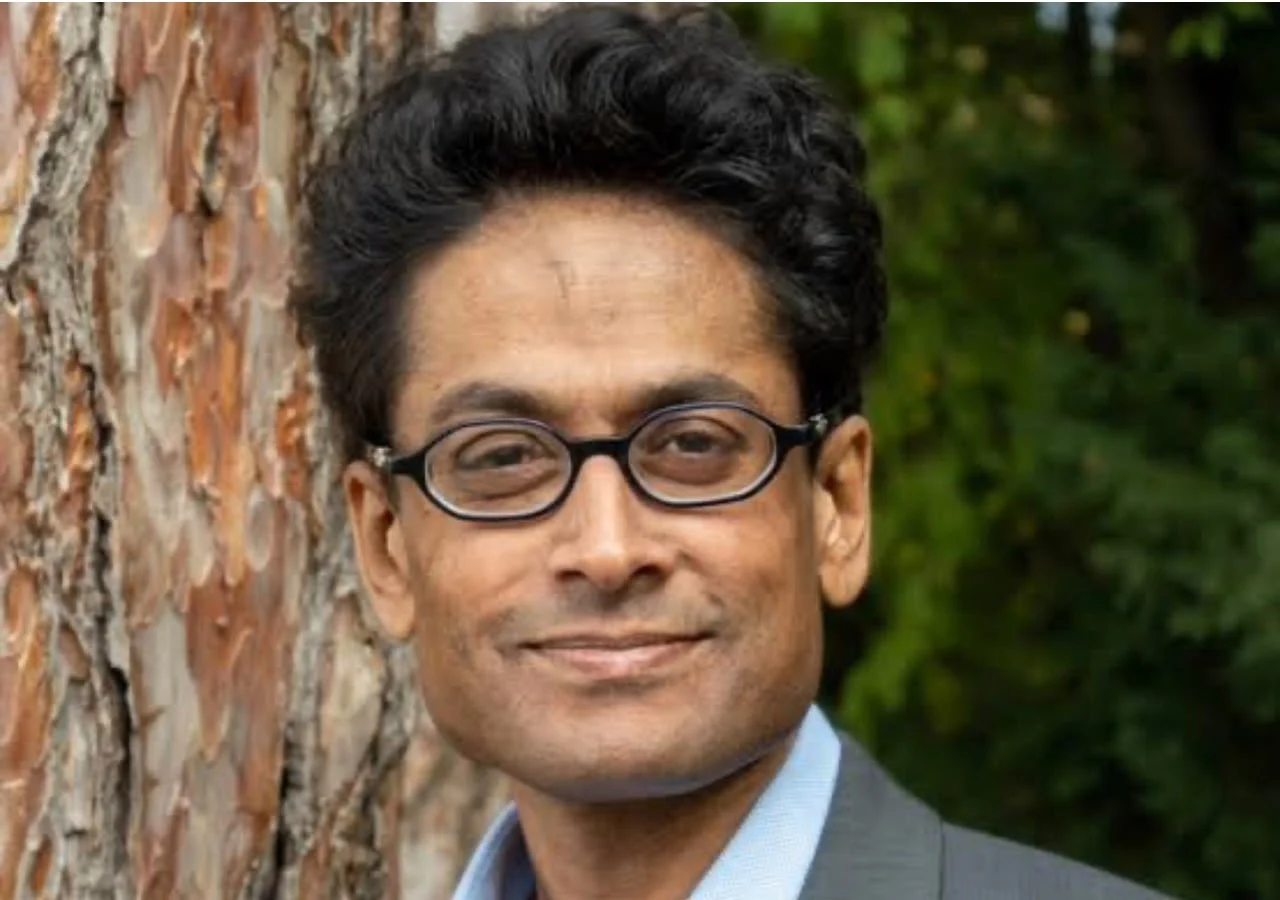
Dr Kumanan Rasanathan, Executive Director, Alliance for Health Policy and Systems Research at the World Health Organisation (WHO), says Nigeria should become a global health superpower by developing innovative approaches to domestic health financing.
Rasanathan made the assertion in an interview with the News Agency of Nigeria (NAN) on Wednesday in Abuja.
He said health taxes provided an opportunity for Nigeria to reduce harmful consumption while generating additional domestic resources to strengthen healthcare delivery and expand health coverage.
According to him, the reduction in external financing for health has made it necessary for Nigeria to explore alternative domestic sources of funding.
“This is the time for innovation. This is the time to do things differently,” he said.
He said health taxes on tobacco, alcohol and sugar-sweetened beverages could help reduce consumption of products associated with non-communicable diseases (NCDs), while generating revenue that could be invested in healthcare.
“Health taxes are clearly an evidence-based, key strategic intervention to both reduce public health harm by reducing the consumption of products that are harmful to health, particularly those that cause non-communicable diseases.
“They can also be a very important source of revenue generation that can be used for things that countries need, including expanding the coverage of health services,” he said.
He said Nigeria already had health taxes but had yet to fully realise their potential, citing issues around tax rates, collection mechanisms and the use of revenue generated.
He said many countries had health taxes targeting tobacco, alcohol and sugar-sweetened beverages, adding that several had not raised the rates to levels that could maximise their health and revenue benefits.
“From a WHO point of view, we have set potential rates of taxation. So many countries have not been able to raise taxation to those levels.
“There is, however, the question of the way the taxation is collected, and for what it is used,” he said.
He said Nigeria needed to determine the approach that best suited its own circumstances, noting that countries that had implemented health taxes at scale had recorded reductions in the consumption of harmful products.
He described the establishment of a health-tax task team comprising government, civil society, development partners and other stakeholders as an important step towards reform.
“I think what is exciting to see here in Nigeria is that there is now this health tax task team.
“The team is bringing representatives from across government, civil society, and development partners, to think through this,” he said.
He said the team could examine whether tax rates could be increased, whether the taxes could be administered more effectively and how the revenue generated could be used.
He said successful reform would require stakeholders to work together rather than treating health taxes as solely a health-sector issue.
“If the health community or the health sector just says this must be done because of health, yes, health is very important.
“That is one of the key reasons we want to do this. But that is not the only interest here. The first thing is to bring all of the interests together,” he said.
The WHO expert said effective communication would also be critical because many Nigerians did not understand the concept of health taxes or their potential benefits.
“The second thing is the communication. Most people do not know what a health tax is. Some people call it “sin tax”. We like to focus on the positive benefit,” he said.
He urged stakeholders to explain how health taxes could reduce harmful consumption and contribute to better health services.
He said concerns about increased taxation should also be addressed with evidence.
“There are people in society who will say, this is a bad thing. Why should you tax our products? Or why should I pay more taxes for these things?
“We have good evidence-based answers for that, but we need to share those,” he said.
He said transparency in the use of health-tax revenue would be important in gaining public support.
“People who pay taxes naturally want to understand what they are receiving in return.
“When people pay tax, they want to know what they are getting in return. I hear this in many countries,” he said.
Rasanathan said Nigeria could consider earmarking, or hypothecation, of some health-tax revenue for healthcare, while stressing that the decision remained with the country.
“I think there is increasing evidence across the world that if you use some or most of this money to deliver healthcare for people, then people can see what they are getting,” he said.
He said that such an approach could help address public concerns about the purpose of health taxes, particularly when citizens could see the connection between the taxes they paid and improved healthcare.
He said that health-tax reforms had faced challenges in some countries but said outcomes depended largely on how the policies were designed and implemented.
“It is not just the ‘what’. It is how you do it, specific to your own country,” he said.
He cited Mexico, Thailand and the Philippines as examples of countries where health-tax policies had contributed to reductions in the consumption of harmful products.
He said the Philippines also demonstrated the importance of linking health taxes to improved healthcare coverage when communicating with the public.
“In the Philippines, for example, it was only when the framing changed to say, Yes, this improves health.
“It is not just about revenue generation, but this is a vital contributor for us to expand health coverage in this country,’ that people felt, ‘Oh, I understand now.
“This is going to be better for us,” he said.
He said the approach could help answer the question of what citizens would gain from health-tax reforms.
“It may improve my health, but it will also improve my healthcare,” he said.
He said the current financing environment provided Nigeria with an opportunity to develop a health-tax system that could support its healthcare needs while providing lessons for other countries.
“This is the opportunity for Nigeria to lead, to provide for its own people, but also share lessons for the rest of Africa and the rest of the world.
“Health tax is one area that we can seize that moment together,” he said.
He said the Alliance for Health Policy and Systems Research at WHO was ready to support Nigeria’s efforts to strengthen the use of health taxes.
“We want to see better health outcomes from use of health taxes for Nigerians, but we also think that if Nigeria can show how to do it better, many can learn across the world,” he said.(NAN)
Edited by Kadiri Abdulrahman


Comments