


By Kemi Akintokun
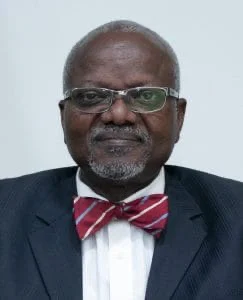
The Director-General of the Nigerian Institute of Medical Research (NIMR), Prof. John Oladapo Obafunwa, has called for increased investment in research infrastructure, data systems and scientific manpower.
Obafunwa made the call on Wednesday in Lagos at the opening ceremony of the Institute’s 2026 Annual International Science Week Conference, with the theme , “Health Research in the Era of Advanced Technology”.
He said emerging technologies, including artificial intelligence, genomics, molecular diagnostics and digital health, were transforming medical research and healthcare delivery, but required adequate infrastructure and skilled personnel for meaningful results.
The DG disclosed that financial constraints had prevented the Institute from establishing a major laboratory complex planned for 2025.
He also said Nigeria still sent too many biological samples abroad for sequencing, stressing the need to strengthen domestic capacity for advanced laboratory investigations.
According to him, health data generated from Nigerian patients and biological samples was a national asset that must be collected ethically, secured and used to improve community health.
Obafunwa said artificial intelligence was already assisting healthcare professionals in medical imaging and disease detection, while genomic technologies and mobile health platforms were creating new research and healthcare delivery opportunities.
He, however, cautioned that technology must be supported by trained personnel, adequate infrastructure and reliable systems to achieve meaningful results.
He urged researchers to ensure scientific discoveries translated into practical interventions that improved the health and wellbeing of Nigerians.
The DG also called on government and policymakers to sustain investment in research infrastructure, data systems and scientific capacity, while encouraging partnerships based on responsible data and sample sharing.
Earlier, the Chairman of the Conference, Dr Tunji Olowolafe, said Nigeria should develop the capacity to produce its own vaccines and strengthen its response to emerging infectious diseases.
Olowolafe, Chancellor of Ekiti State University, commended NIMR for its contributions during the Ebola crisis and COVID-19 pandemic.
He said the Institute played an important role in generating knowledge and scientific evidence required to strengthen Nigeria’s healthcare system.
He noted that government initiatives aimed at promoting local production of medicines and vaccines would require strong research institutions to provide the necessary scientific foundation.
Olowolafe said advanced technologies were increasingly influencing healthcare, from laboratory investigations and diagnosis to surgery and public health planning.
He identified artificial intelligence, robotics, genomic technologies and digital health platforms as important developments that could improve disease detection, treatment and healthcare delivery.
In the keynote address, Prof. Adetokunbo Fabanwo, the Chief Medical Director of Lagos State University Teaching Hospital (LASUTH), represented by Prof. Adebowale Adekoya, said the ultimate goal of health research was translating scientific discoveries into clinical interventions.
He said such interventions should improve patient outcomes and reduce mortality, while translational research bridged laboratory discoveries, clinical investigations and healthcare delivery to patients.
Adekoya identified artificial intelligence and machine learning, genomic and precision medicine, molecular diagnostics, robotics, telemedicine, wearable devices and 3D printing as technologies with significant potential to transform healthcare.
He said artificial intelligence could assist in analysing large datasets, identifying disease patterns, predicting health risks and supporting clinical decision-making.
He added that genomic technologies could improve understanding of disease susceptibility and drug response, while molecular diagnostics could facilitate faster detection of infectious diseases and antimicrobial resistance.
The keynote speaker, however, identified inadequate funding, limited infrastructure, shortages of trained personnel, high technology costs, regulatory and ethical challenges, and weak collaboration as major barriers to translating research into routine clinical practice.
He recommended establishing translational research centres in teaching hospitals, dedicated implementation research funding, stronger university-hospital-industry partnerships and investment in digital health infrastructure.
Adekoya also called for locally conducted clinical trials, stronger ethical and regulatory governance, and integration of validated innovations into clinical guidelines and routine healthcare delivery.
The Chairman of the Conference Organising Committee, Dr Olusola Ajibaye, said the annual conference had grown into a platform for biomedical researchers, clinicians, policymakers and allied health professionals to share knowledge, exchange ideas and advance public health.
He said the 2026 conference featured four thematic tracks: public health and oral health, clinical sciences, biomedical innovations and basic sciences.
The programme also included a keynote address, a lecture, a symposium on emerging innovations and a plenary session on the role of researchers and health professionals in technology-driven healthcare delivery.
The conference is expected to strengthen research collaboration and promote the translation of scientific innovations into improved healthcare outcomes in Nigeria.(NAN)www.nannews.ng
Edited by Vivian Ihechu



Comments