


Nnodu urges religious leaders to demand genotype test before marriage
By Uche Bibilari
Prof. Obiageli Nnodu, Director, Centre of Excellence for Sickle Cell Disease Research and Training (CESRTA), has called on religious leaders to ensure comprehensive genotype results before marriage to prevent genotype incompatibility.
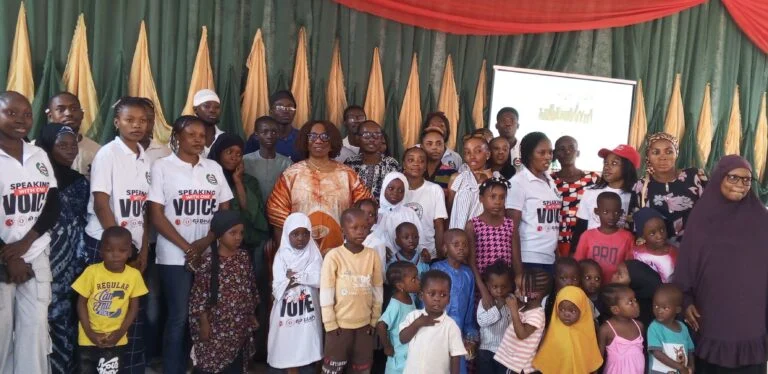
Nnodu made the call during the CESRTA Warriors 2026 End-of-Year Stakeholders Engagement on Saturday in Gwagwalada.
The News Agency of Nigeria (NAN) reports that the engagement had the theme: “Sickle Cell Disease: From Prevention, Diagnosis to Evidence-Based Multidisciplinary Comprehensive Care.”
“As religious leaders, there is need to see genotype results of intending couples from a standard hospital as one of the criteria before marriage.
“Because if somebody Sickle Cell Disease (SCD), it is for life. It is inside the gene and cannot be changed. We have gene therapy, but still it cannot correct the gene you pass to the unborn baby.
“If there is SCD in a child, it is both partners that are responsible, so it should not be the responsibility of the mother alone to bring the child to the hospital,” she said.
She said there was need for religious leaders to educate people on SCD by sharing accurate information and ending stigma against people living with the disease.
The director said Nigeria bears the highest global burden of SCD, with about 150,000 children born annually with the condition nationwide.
“SCD is the most common genetic disease in sub-Saharan Africa. Nigeria is the headquarters of SCD in the world.
“About 515,000 babies are born with SCD every year worldwide. More than 50 per cent of those babies are born in Africa.
“More than 150,000 babies are born with SCD every year in Nigeria, making it the highest of any country,” she said.
She said SCD was a disease that affects all organs in the body, adding that it was an inherited condition of the blood.
According to her, in every pregnancy, there is a 25 per cent chance of having a child with SCD from both parents with sickle cell trait.
“Sickle cell trait is not SCD. SCD is not contagious. You cannot catch it like malaria, COVID-19 or HIV.
“Carriers are healthy, and knowing your status is about information and not stigma,” she said.
She explained that SCD could cause sudden severe pain in the bone, chest or tummy, shortage of blood and serious infection, especially in young children.
Nnodu said the government had introduced insurance whereby parents could bring their child to the hospital for proper care and monitoring, adding that sometimes they do not pay.
She called on parents and caregivers of sickle cell warriors to always seek immediate medical attention when they notice any form of fever, yellowness of the eyes, sudden weakness on one side, swollen tummy, among others.
The director said people with AC and AS genes are very resistant to malaria, adding that if they have malaria, they do not succumb to it easily.
She said newborn screening and early diagnosis help to provide care to warriors before problems start.
Nnodu disclosed that in the FCT, the centre had screened over 35,579 babies in primary health centres, adding that 418 (1.2 per cent) babies found with SCD had been enrolled into care.
“Early diagnosis saves life. Most SCD deaths in children are preventable, if diagnosed early and treatment starts,” she said.
She advised parents with SCD warriors not to be ashamed of their children; rather, they should enrol them in the hospital for proper care, so they could live a healthier life.
She said hydroxyurea used by SCD warriors was safe and affordable, adding that in 2017, it was added to the WHO Essential Medicines List.
Nnodu said the use of hydroxyurea had helped to reduce pain crises in warriors by over 50 per cent, adding that it could be administered from the age of nine months.
Dr Collins Maduka, Consultant Haematologist, University of Abuja Teaching Hospital (UATH), said there was need for periodic hospital visits to examine patients for complications associated with the disease.
Maduka said that with proper care, warriors could still achieve their goals in life, emphasising the need for regular hospital visits and taking their medication.
He said warriors should ensure they drink water, rest well, take their medication as prescribed and go to the hospital when they feel unwell.
Speaking on health insurance in sickle cell disease care, Ms Juliet Haruna, Research Nurse/Genetic Counsellor, said that in SCD, health insurance was more than financial protection.
“It is a tool that enables timely treatment, prevents avoidable complications and gives patients the opportunity to live healthier and more productive lives,” she said. (NAN)
Edited by Dorcas Jonah



Comments