


By Kemi Akintokun
A medical researcher, Dr Aigbe Ohihoin, has warned that eclampsia could cause the death of one in four affected women, underscoring the need for improved maternal healthcare.
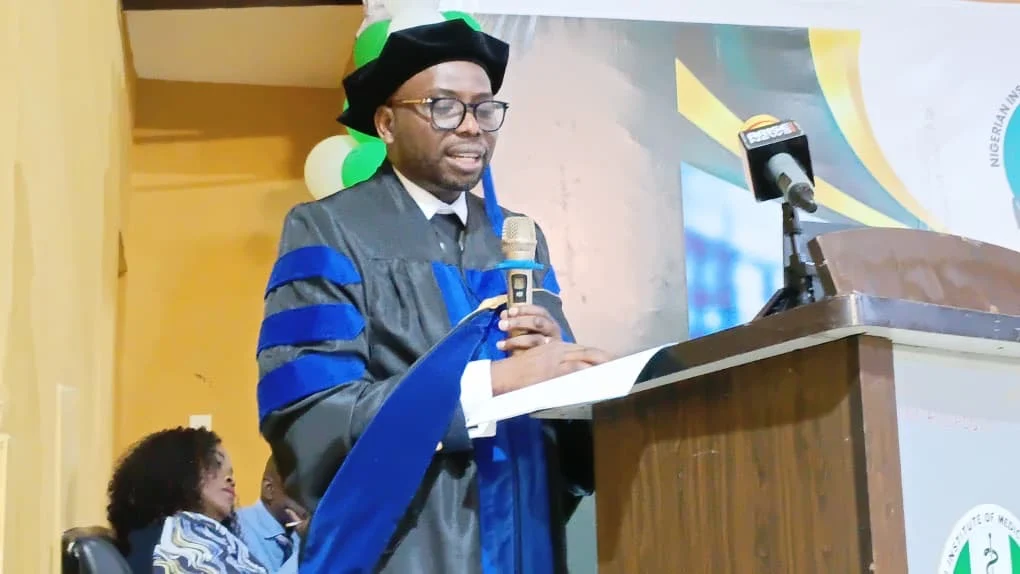
Ohihoin, Director of Maternal and Reproductive Health Research at the Nigerian Institute of Medical Research (NIMR), gave the warning in Lagos on Thursday.
He spoke at the institute’s 15th inaugural lecture, titled: ‘All for the Woman, Her Baby and Her Health.’
The consultant obstetrician and gynaecologist identified postpartum haemorrhage, eclampsia and pre-eclampsia as major causes of maternal deaths requiring urgent attention.
He explained that pre-eclampsia was associated with high blood pressure during pregnancy, while eclampsia involved seizures that could endanger the lives of both mother and baby.
Ohihoin said findings from his published research indicated a 25 per cent mortality rate among women affected by eclampsia.
“These conditions are deadly. Some women might not know they have it until high blood pressure is detected during antenatal visits,” he said.
He identified headaches and blurred vision as other warning signs, noting that the condition could have progressed significantly before such symptoms appeared.
The researcher said maternal mortality resulted from both direct and indirect causes, compounded by socioeconomic factors.
He listed educational background, access to information, infrastructure and the responsiveness of healthcare systems to emergencies as factors influencing maternal deaths.
Ohihoin called for increased investment in women’s education and financial empowerment to enable them to make informed decisions and access quality healthcare.
“Women need to access health information. And that information will empower them to make the right choices, make the right decisions.
“A healthy woman is a healthy family. A healthy family is a healthy nation. That’s why we must ensure that the woman is healthy,” he said.
He stressed the link between maternal and child wellbeing, advocating policies that prioritised women’s health, reproductive rights, choices and aspirations.
Ohihoin said women should not be viewed merely as vessels for childbearing, adding that their wellbeing extended beyond motherhood and their roles as sexual partners.
He said his commitment to women’s education and reproductive rights was partly influenced by his mother’s experience of interrupting her education to raise him.
According to him, motherhood should not compel women to abandon their educational aspirations or sacrifice personal development.
“A society that values women must create families, services and policies that allow women to care for others without sacrificing their own development,” he said.
On NIMR’s interventions, Ohihoin said Nigeria had recorded progress in preventing mother-to-child transmission of HIV.
He disclosed that no transmission was recorded among the cohorts monitored by the institute.
He attributed the achievement to public health interventions, government support, development partners’ funding and the contributions of healthcare workers.
He acknowledged the support of the U.S. President’s Emergency Plan for AIDS Relief (PEPFAR) and the Nigerian Government in preventing mother-to-child transmission.
However, Ohihoin called for increased investment in medical research, saying current funding for research activities and capacity development in Nigeria was inadequate.
He urged Nigerians to recognise women’s contributions to society and support initiatives promoting their health, quality of life and advancement.
The researcher also advocated equal treatment of male and female children, expressing concern over couples seeking sex selection because of their preference for male children. (NAN)
Edited by Kamal Oropo




Comments