








By Patricia Amogu
Stakeholders in Nigeria’s tourism and infrastructure sectors have signed a strategic pact aimed at repositioning the country as a leading global tourism destination in Africa.
The agreement, unveiled in Abuja on Tuesday outlines a framework for infrastructure-driven tourism development to unlock Nigeria’s cultural, historical and natural assets for domestic and international visitors.
The initiative, known as the National Infrastructural Tourism Development Initiative (NITDI), brings together public and private sector actors to improve infrastructure, enhance visitor experience and promote sustainable tourism nationwide.
It is also expected to set the stage for activities marking the 2026 World Tourism Day, including the Infrastructural Tourism Development Summit scheduled for Sept. 24 in Abuja.
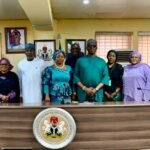
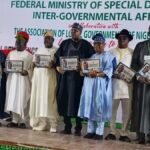
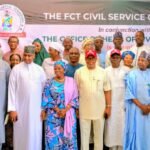
Speaking at the signing of a Memorandum of Understanding (MoU), the Executive Director of Tourism Volunteers Network, Mr Phil Roberts, said infrastructure remained critical to transforming tourism sites into viable destinations.
Roberts said his travel experiences across Nigeria and other countries had shown that deliberate investment in infrastructure was key to building sustainable tourism ecosystems.
According to him, the major challenge in Nigeria’s tourism sector is the gap between “tourism sites” and “tourism destinations”.
“A tourism site becomes a destination when supported with infrastructure such as good roads, electricity, housing, internet, food systems and security,” he said.
He disclosed that Abuja had been designated as a “Living Infrastructure Tourism City” to serve as a pilot for nationwide implementation.
Roberts identified key development zones within the FCT to include Aso Rock as an iconic tourism hub; Jabi Lake as a waterfront destination; Maitama and Asokoro as luxury tourism centres; Mpape and Katampe for nature tourism; and Bwari and AMAC for agro-tourism.
He said the zoning strategy was aimed at maximising the capital city’s assets to attract both local and foreign tourists.
Roberts also cited countries such as China, Dubai and the United States as examples where infrastructure had been leveraged to drive tourism growth and economic expansion.
“We do not need to travel abroad for tourism experiences. With the right infrastructure, Nigeria can become a destination of choice globally,” he said.
He noted that access to financing remained a major constraint, limiting investment and growth in the sector.
Roberts added that collaboration with key institutions, including the Nigeria Tourism Development Authority, would be critical in driving policy direction and attracting investment.
He further stressed the need to integrate tourism into infrastructure and real estate development.
“Every building should be designed as a potential destination, where people can visit and have unique experiences,” he said.
According to him, the NITDI framework seeks to integrate tourism with infrastructure and real estate, promote sustainable urban development, create jobs and attract foreign direct investment.
He said Abuja would serve as the pilot city, with plans to extend the initiative to other states through collaboration with relevant ministries and agencies.
Roberts also announced that the Infrastructural Tourism Development Summit 2026 would be held under the theme: “Building Today, Building Tomorrow: Infrastructure for a Stronger Tourism Future”.
In his remarks, the Managing Director of Big Homes Nigeria, Mr Topsy Essien, said the company was committed to developing sustainable, tourism-friendly communities.
Essien said ongoing projects in Jabi, Dakibiyu and Durumi were designed as integrated ecosystems combining housing, recreation, healthcare and commercial services.
He emphasised the need for Nigeria to adopt indigenous architectural designs that reflect its culture and climate to attract international tourists.
Stakeholders at the event expressed optimism that with the right policies, investments and collaboration, Nigeria could unlock its tourism potential, reduce capital flight and emerge as a competitive global destination. (NAN)
Edited by Tosin Kolade