


By Angela Atabo
The UK Foreign, Commonwealth and Development Office (FCDO)- funded Programme, Strengthening Peace and Resilience in Nigeria (SPRiNG) has called for greater inclusion of women, youths and marginalised groups in peacebuilding.
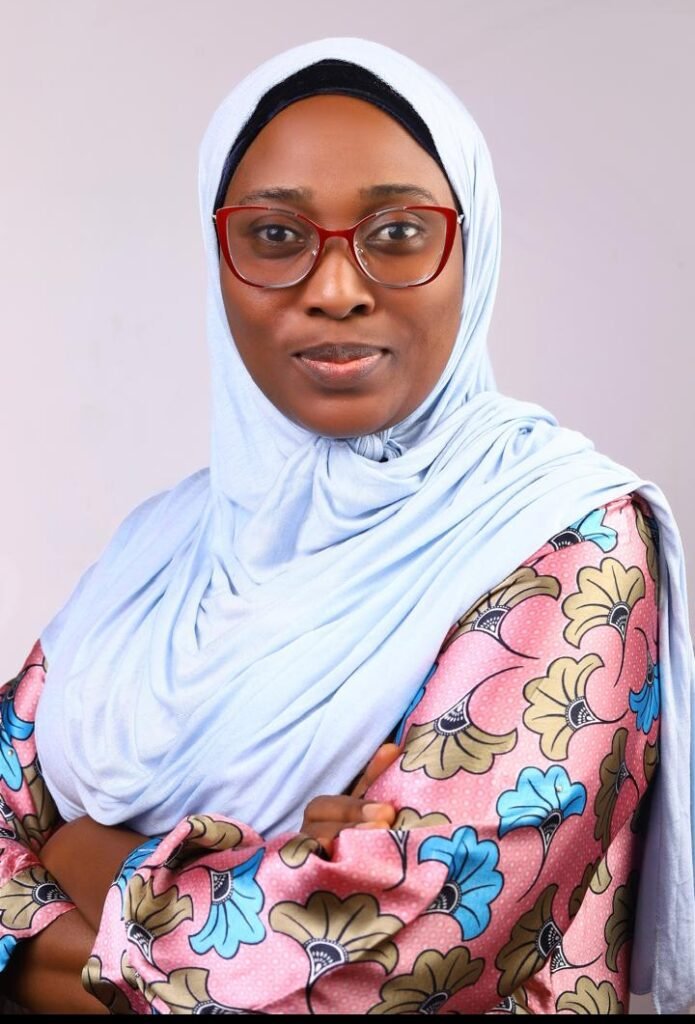
Mrs Amina Akano-Bello, Gender, Equality, Disability and Social Inclusion (GEDSI) Lead of the programme, told the News Agency of Nigeria (NAN), on Tuesday in Abuja.
Speaking on the 2026 International Day of Peace, Akano-Bello said peace was everyone’s responsibility and stressed the need for every voice to be heard in efforts to promote sustainable peace.
She said the programme was celebrating peacebuilders around the world, particularly women and young people challenging social norms that limited their leadership and participation.
According to her, SPRiNG is working with women, men and young people across lines of division, with positive results being recorded in communities affected by conflict.
“Local disputes are being resolved, cooperation across groups is growing, and communities are becoming more resilient and better able to prevent violence,” she said.
Akano-Bello said SPRiNG was investing in people, institutions and systems capable of sustaining peace.
She said the programme was supporting the development and implementation of Women, Peace and Security (WPS) and Youth, Peace and Security (YPS) policies and relevant legislation.
“Women and young people in all their diversity, particularly those experiencing multiple forms of vulnerability and marginalisation, are rebuilding their livelihoods, improving their psychosocial well-being and becoming more economically resilient.
“These changes strengthen agency and choice, reduce vulnerability to poverty and violence, including violence against women and girls, and increase opportunities to participate, lead and influence decisions.
“They contribute to more inclusive, safer and resilient communities, and help build sustainable peace,” she said.
She, however, noted that significant gaps remained in the participation of women in global peace and security processes.
“According to UN Women, in 2024, women accounted for only seven per cent of negotiators and 14 per cent of mediators in major peace processes globally,” she said.
She said patriarchal structures and entrenched social norms continued to limit the leadership, participation and influence of women and young people in peace and security.
“Lasting peace requires everyone to have a voice and a role,” she said.
The GEDSI Lead called for peace and security commitments that would translate gender equality and inclusion into practice.
She said this should include strengthening protection from violence, preventing and responding to Conflict-Related Sexual Violence (CRSV), ensuring equitable access to resources and opportunities, and removing barriers to participation and leadership.
Akano-Bello said the International Day of Peace was an opportunity to recognise peacebuilders working daily to make their communities safer and more resilient.
“Today, we celebrate the peacebuilders who make peace possible every day in their communities,” she said.(NAN)
Edited by Dorcas Jonah

Comments