





By Oluwafunke Ishola
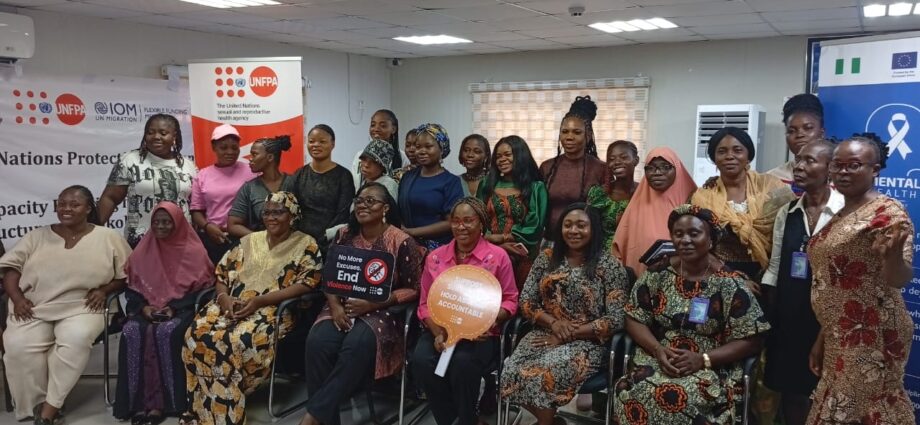
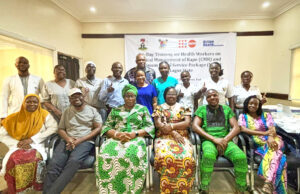
The United Nations Population Fund (UNFPA) has trained 44 frontline workers and community volunteers in Lagos to respond to gender based violence and sexual and reproductive health emergencies.
The initiative aims to strengthen preparedness and improve protection for vulnerable populations across communities in Lagos State.
Dr Esther Somefun, Gender and Reproductive Health Analyst at the United Nations Population Fund, said this during the training on Wednesday.
She said that emergencies often increased risks of violence against women and disrupted access to essential healthcare services across affected communities.
She said the initiative responded to growing recognition that disease outbreaks, humanitarian crises, and economic shocks heightened risks of violence against women and girls while limiting access to essential reproductive healthcare services in affected communities.
Somefun said the training was designed to strengthen local response systems by equipping healthcare providers and community volunteers with practical skills to support survivors, provide referrals, and sustain reproductive health services during emergencies.
She said the programme brought together 20 community health volunteers from Lagos Mainland and 24 healthcare workers, including doctors, nurses, midwives, community health officers, and gender based violence focal persons across selected communities in Lagos State.
She disclosed that participants underwent intensive training on internationally recognised emergency response standards, including the Minimum Initial Service Package for reproductive health in crisis situations and other global frameworks guiding emergency healthcare delivery.
Other modules, she said, included Clinical Management of Rape, Gender Based Violence Case Management, Protection from Sexual Exploitation, Abuse and Harassment, and Mental Health and Psychosocial Support for survivors of violence.
According to her, such capacity building is increasingly important as humanitarian and public health emergencies continue to place additional strain on already vulnerable populations, particularly women, children, and displaced persons.
The training for healthcare workers focused on survivor centred care, including treatment of rape survivors, forensic evidence collection, prevention of unwanted pregnancies and sexually transmitted infections, including HIV, as well as psychological first aid support.
Participants were also guided on integrating mental health and psychosocial support into routine healthcare delivery, reflecting a growing shift toward holistic care for survivors of violence and trauma in health systems.
She said facility level action plans were being developed to ensure lessons from the training translated into long term improvements in emergency response systems across health facilities in Lagos State.
To ensure measurable impact, she said trained volunteers and healthcare workers had been deployed for a seven week outreach campaign across hard to reach communities to expand awareness and service access.
“The outreach includes door to door sensitisation, market campaigns, community dialogues, and targeted engagement sessions for adolescent girls and young women, who are often disproportionately affected during emergencies.”
Somefun said the campaign aimed to improve awareness of available services, encourage reporting of abuse, identify survivors early, and strengthen referral pathways to formal healthcare and protection systems.
“These trained volunteers will serve as critical bridges between the community and formal health services through case identification, referrals, awareness raising, and social behaviour change communication (SBCC),” she said.
She emphasised that emergency preparedness required not only infrastructure and supplies but also trained frontline personnel capable of managing complex social and health challenges effectively.
Earlier, Mr Akeem Ayanrino, Ward Health Committee Chairman of Iwaya Community, called for improved confidentiality in handling gender based violence cases at ministry level to encourage reporting and trust.
“I advise the ministries to evolve better internal mechanisms that would protect the confidentiality of survivors so that more people would be encouraged to speak out against GBV.”
Speaking on the impact, Mrs Mujibat Asunramu, WHC Chairman of Freeman-Glover Community, said the training improved her knowledge on handling GBV cases and respecting the dignity and rights of survivors within communities.
Similarly, Mrs Adenike Adeniji, Social Worker at the Ministry of Women Affairs and Poverty Alleviation, said the training improved her understanding of survivor management and strengthened referral pathways for effective case handling in her work.
Mrs Grace Honfor, Director of Health Education and Promotion Services at the Lagos State Primary Healthcare Board, commended UNFPA for organising the training and urged participants to apply the knowledge effectively.
The News Agency of Nigeria (NAN) reports that the five-day training was organised by UNFPA in collaboration with the Lagos State Government and Action Health Incorporated (AHI). (NAN) (www.nannews.ng)
Edited by Abiemwense Moru