


By Charity Nwosu
Some residents of Dei-Dei Community in Bwari Area Council, FCT, have expressed concern over poor waste disposal practices, saying the situation poses serious threats to public health and the environment.
The respondents spoke in interviews with the News Agency of Nigeria (NAN) on Wednesday.
They identified indiscriminate dumping of refuse, inadequate waste collection services and poor public attitude toward sanitation as major challenges confronting the community.
According to them, growing heaps of uncollected waste are polluting the environment, blocking drainage channels and increasing the risk of disease outbreaks.
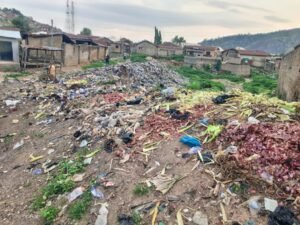
A trader, Mr Ibrahim Sani, said refuse was often dumped along roadsides and in open spaces due to the absence of sufficient waste bins and irregular evacuation by waste management authorities.
“The smell from these dumps is unbearable, especially during the rainy season. The blocked drains also cause flooding whenever it rains.
“We need more waste collection points and regular evacuation by the relevant authorities,” he said.
A food vendor, Mrs Joy Eze, expressed concern over the health implications of poor waste disposal, saying it attracted flies, mosquitoes and rodents capable of spreading diseases.
“We worry about children because they play around these dirty areas and can easily fall sick from contaminated surroundings,” she said.
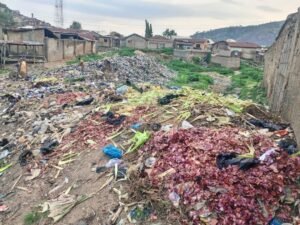
Mrs Chinyere Nnadinma said overflowing refuse dumps attracted disease-carrying pests and urged residents to stop indiscriminate waste disposal and adopt proper sanitation practices.
“We all have a role to play. People should dispose of their waste properly instead of throwing it into gutters and open spaces,” she said.
She also encouraged residents to participate actively in community sanitation exercises.
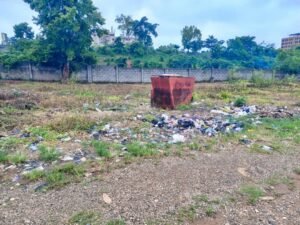
An environmental health officer, Mr Chidi Okoli, said improper waste management could lead to outbreaks of cholera, typhoid fever, diarrhoea and other communicable diseases.
He explained that decomposing waste contaminated soil and water sources, while the burning of refuse released harmful pollutants into the atmosphere.
According to him, effective waste management requires regular waste collection, adequate disposal facilities, recycling initiatives and sustained public sensitisation.
He also advocated stricter enforcement of environmental sanitation laws to discourage indiscriminate dumping of refuse.
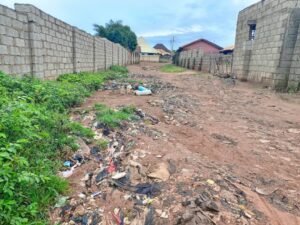
Residents urged the FCTA and environmental agencies to provide more waste bins, evacuate refuse more frequently and intensify public awareness on proper waste disposal.
They expressed optimism that improved waste management would promote a cleaner environment, reduce disease outbreaks and enhance the overall quality of life in the Dei-Dei Community.(NAN)(www.nannews.ng)
CHZ/MUK
Edited by Magdalene Ukuedojor


Comments