





By Akpan Glory
The Niger Basin Authority (NBA) has urged greater community ownership of its environmental initiatives to guarantee sustainable benefits for its member countries.
Launched in 2019, the Niger Basin-Iullemeden-Taoudéni/Tanezrouft Aquifer Systems (NB-ITTAS) project aims to improve the management and conservation of natural resources in the region.
These vital water bodies span nine countries in West and Central Africa, including Nigeria, Mali, Niger, Guinea, Cameroon, Benin, Burkina Faso, Chad, and Côte d’Ivoire.
The project, originally scheduled to end earlier, has been extended twice and is now due to conclude in June 2025.
Speaking at a regional stakeholders’ meeting in Abuja, the acting Executive Secretary of the NBA, Mr Zinsou Didier, emphasised the importance of consolidating the project’s gains through stronger grassroots engagement and sustained institutional support.
Represented by NBA Technical Director Mr Adamou Ibro, Didier noted that while considerable progress has been made, “many achievements remain to be consolidated or finalised”.
He outlined the successful implementation of 17 community-based demonstration projects across the Basin.
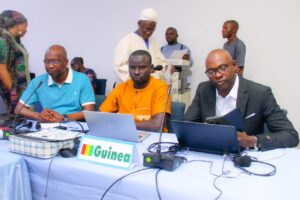 He said the initiatives addressed key issues, including habitat protection, biodiversity conservation, and sustainable forest management.
“Beyond these field-level interventions, the NB-ITTAS project has supported studies aimed at strengthening national policy frameworks and legislation, particularly regarding pollution control in the Basin.
“The project has also facilitated the establishment of three regional and seven national platforms to promote coordinated management and governance of shared ecosystems across borders”.
Didier, however warned that the continued effectiveness of these platforms depends on their operational sustainability and the active involvement of local communities.
“The Abuja meeting is a valuable opportunity to reflect on successes, identify remaining challenges, and agree on practical strategies to ensure the long-term sustainability of these initiatives,” he said.
He appreciated the Global Environment Facility and the UN Development Programme for their financial and technical support, saying their partnership was crucial to the project’s achievements.
Earlier, Nigeria’s Minister of Water Resources and Sanitation, Prof. Joseph Utsev, reiterated the country’s commitment to sustainable management of water resources in the Niger Basin.
 Represented by Mr Adeyinka Adenopo, Director of Water Resources Planning and Technical Support Services at the ministry, Utsev said the NB-ITTAS project was a vital step towards sustainable use of water, land, and forest resources.
He explained that the project supports the NBA’s Sustainable Development Action Plan and the development of a Transboundary Diagnostic Analysis and Strategic Action Plan for the shared aquifer system.
“The project addresses major environmental challenges including climate change, land degradation, and pollution from agriculture, industry, and urbanisation.
“It has also helped to improve community livelihoods and boost ecosystem resilience through a range of activities, although performance has varied across participating locations.
“In Nigeria, the project is currently active in the Ayele-Iggah and Akpanaja communities in Nasarawa”.
Utsev underscored the project’s alignment with Sustainable Development Goal 6 on clean water and sanitation, especially its target on integrated water resources management through transboundary cooperation.
He urged all stakeholders to remain fully committed to regional collaboration and knowledge exchange to ensure lasting benefits for the Basin’s people and ecosystems.
Also, Angela Keyede, the NBA’s National Focal Structure Coordinator, described the NB-ITTAS project as a vital source of relief for the millions who depend on the Basin’s resources.
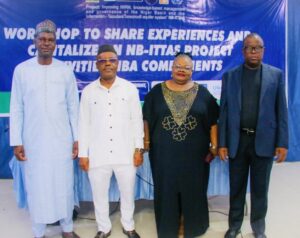 She noted the importance of the workshop in providing a platform for sharing experiences, exchanging lessons learned, and building on the project’s achievements.
Keyede recalled that the NBA received a grant from the Global Environment Facility to support the implementation of Integrated Water Resources Management (IWRM) aimed at enhancing ecosystem resilience and community wellbeing.
“While the Convention Agreement was signed in 2018, project activities began in earnest in 2019.
“An in-depth assessment of beneficiary communities showed varying levels of success, underscoring the need for continued dialogue and knowledge sharing”.
The News Agency of Nigeria (NAN) reports that the Niger Basin Authority (NBA) is responsible for promoting transboundary water cooperation and sustainable development across its nine member states.
It works to balance environmental protection with the socioeconomic needs of communities within the Basin. (NAN) www.nannews.ng
Edited by Tosin Kolade