


By Justina Auta
Nigeria has reduced the population at risk of trachoma-induced blindness from 41 million to fewer than five million, recording 88 per cent progress in its elimination efforts.
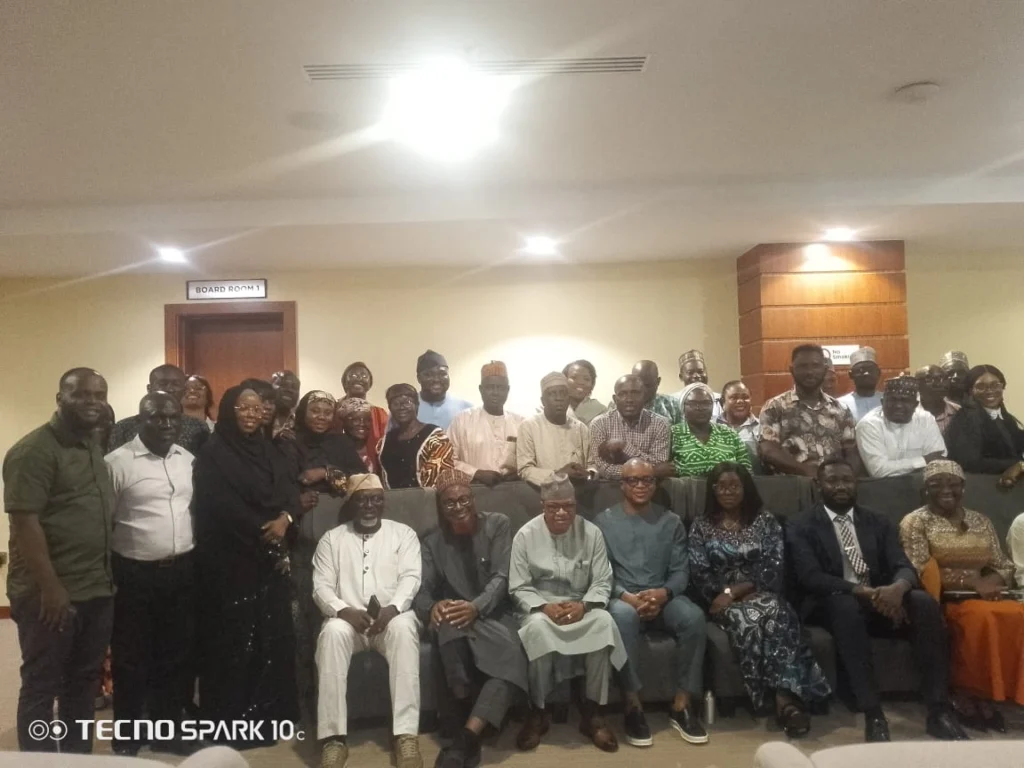
Dr Nicholas Olobio, Director of the Trachoma Programme, said this on Tuesday in Abuja at a two-day Trachoma Annual Project Performance Review (APPR) meeting.
The meeting was organised by the Federal Ministry of Health and Social Welfare, Sightsavers Nigeria and other partners to assess programme implementation and progress towards elimination.
Olobio said Nigeria had made significant progress since trachoma was mapped across 134 endemic Local Government Areas (LGAs).
“Right from inception, we had 134 LGAs that were endemic for the disease, but it is now down to about 16 LGAs where we are treating,” he said.
He explained that 118 LGAs had stopped Mass Drug Administration (MDA), representing about 88 per cent achievement in the elimination drive.
“After 16 LGAs, we will see how it goes from there. It shows the progress the programme has made,” Olobio said.
He said that states including Kano had reached elimination thresholds, while Katsina, Sokoto, Ebonyi and Edo were making significant progress.
Olobio said only Borno and Yobe remained active states where MDA was ongoing, adding that insecurity posed challenges to implementation.
“Borno has been very difficult, but we found ways. For Yobe, we still need to use another strategy,” he said.
He added that sustaining the gains required a stronger focus on Water, Sanitation and Hygiene (WASH) interventions.
“Without the environmental aspect, you cannot eliminate the disease,” he said.
Olobio emphasised that the Surgery, Antibiotics, Facial Cleanliness and Environmental improvement (SAFE) strategy remained central to the elimination effort.
He urged communities to adopt simple hygiene practices, including regular face washing and handwashing after using toilets.
“The fly perches on the faces of people, especially women and children. We need to sensitise people to wash their faces,” he said.
Mr Adebayo Peters, Neglected Tropical Diseases (NTD) Coordinator, Federal Ministry of Health and Social Welfare, said elimination required sustained commitment and collaboration among stakeholders.
“The implementation of the SAFE strategy remains central to our national response,” he said.
Peters said progress depended on collaboration among government institutions, development partners, communities and implementing organisations.
He added that the Federal Government was strengthening state ownership and domestic financing for NTD interventions.
He said the ministry was working with relevant sectors, including education, environment, water resources and sanitation, to promote coordinated responses.
“WASH and social behaviour change communication campaigns are critical to sustaining the gains already made,” he said.
Dr Teyil Wamyil-Mshelia, Country Trachoma Coordinator, Sightsavers Nigeria, said improved sanitation would help reduce disease transmission.
“When we strengthen collaboration, we jointly plan to reach areas with poor water resources and sanitation,” she said.
Wamyil-Mshelia explained that contaminated faces, fingers and fomites could contribute to trachoma transmission through flies.
She said maintaining partnerships would help prevent the disease from returning after elimination.
Adeyemo Joseph, Assistant Director, WASH Tracking and Documentation, Federal Ministry of Water Resources and Sanitation, reaffirmed the ministry’s commitment to environmental health.
“We remain committed to strengthening intersectoral collaboration, particularly in WASH, which is critical to achieving this goal,” he said.
Mrs Ada Ofemens, Principal Environmental Health Officer, Federal Ministry of Environment, also pledged continued support for the elimination efforts.
She said environmental health and WASH remained essential components of Nigeria’s trachoma elimination programme.
The APPR meeting reviewed state-level progress, identified implementation gaps and developed strategies to accelerate the country’s elimination target.(NAN)
Edited by Abiemwense Moru

Comments