


By Blessing Odega
The Society for Water and Sanitation (NEWSAN) has called for strengthened financing mechanisms, institutional reforms, and multi-stakeholder collaboration to enhance Water, Sanitation and Hygiene (WASH) services in Plateau State.
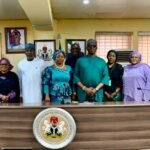
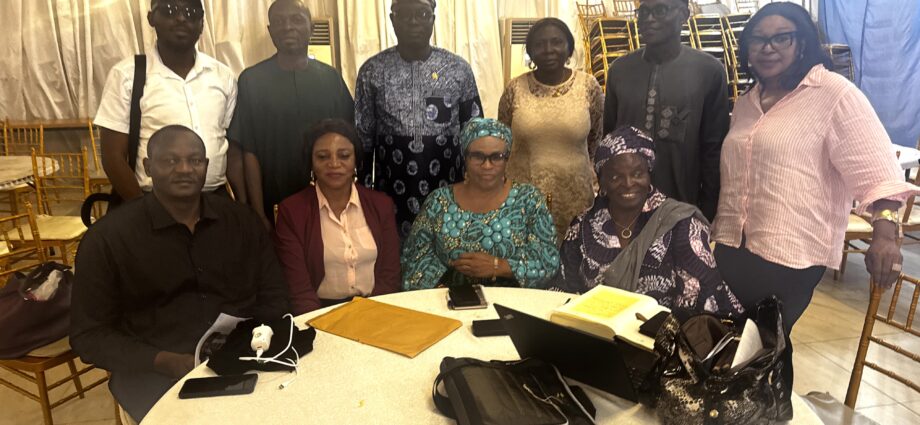
The National Coordinator of NEWSAN, Mr Attah Benson, made the call during an advocacy visit to Plateau State WASH stakeholders on Friday.
Benson said the visit was part of ongoing efforts by the network to deepen engagement and support reforms in the state’s WASH sector.
He noted that NEWSAN had maintained consistent advocacy in Plateau through engagements with key stakeholders at different periods, including after the #EndSARS protests, the 2023 general elections, and a follow-up visit in November 2025 to the Deputy Governor on its WASH scorecard.
“We are here again to see how we can move forward together in strengthening the sector,” he said.
Benson highlighted the growing burden of Neglected Tropical Diseases (NTDs) linked to poor water and sanitation, noting that about 150 million Nigerians are at risk of contracting schistosomiasis, with the country bearing the highest burden in Africa.
He added that more than 13.9 million Nigerians were at risk of blindness from advanced trachoma, stressing that both diseases were closely associated with inadequate access to potable water and sanitation, especially in rural communities and among school-age children.
He said strengthening WASH systems was critical to addressing these public health challenges.
The NEWSAN coordinator said the organisation was prioritising systems strengthening and institutional development through policy assessment, regulatory framework improvements, enhanced coordination, and long-term planning.
He added that these measures would also improve resource mobilisation within the sector.
Benson referenced the Sanitation and Water for All (SWA) initiative, noting that it was promoting Water and Sanitation Compacts — high-level agreements by Heads of State to guarantee funding for the sector.
He also pointed to outcomes from the April 2026 SWA Finance Ministers’ Meeting, which emphasised the role of fiscal policy in ensuring climate-resilient infrastructure.
He, therefore, urged the Plateau WASH sector to champion the creation of a “WASH-procurement budget line” to allocate a fixed percentage of project contracts to sanitation and water services.
According to him, such a mechanism would provide sustainable funding and reduce reliance on limited government budgets.
Benson emphasised that Sustainable Development Goal 6 (clean water and sanitation) was central to achieving other SDGs, including health, education, economic growth, and social justice.
“Without progress on Goal 6, many of the other goals cannot be achieved,” he said.
He further underscored the role of water in addressing climate change and advancing development outcomes.
Benson also highlighted the importance of behaviour change communication in ending open defecation and improving sanitation practices.
He expressed concern over the limited outcomes of the 2022 National Sanitation Summit, noting that it did not fully achieve its objective of attracting private sector investment and partnerships.
He added that the WASH sector had strong potential for revenue generation if properly structured, especially through efficient tariff systems, metering, and improved service delivery.
While acknowledging that access to water is essential, he said sustainable service delivery often required cost-reflective systems, with safeguards to protect citizens.
He also pointed to opportunities in the sanitation value chain, including faecal sludge management, which could generate economic value through biogas, fertiliser, and briquettes production.
Responding, Plateau State Commissioner for Water Resources and Energy, Mr Bashir Lawandi, described the visit as timely and reaffirmed the state government’s commitment to strengthening collaboration with stakeholders.
Lawandi, was represented by the Sustainable Rural Water Supply and Sanitation (SURWASH) State Coordinator, Mr Jonathan Malann.
He said Plateau had developed a well-organised and coordinated water sector, which had consistently ranked high in performance assessments.
“During the last verification exercise, Plateau State came out top in terms of performance. Again, from the January Independent Verification Report, we are still leading.
“This shows that we are making progress and moving in the right direction,” he said.
The commissioner, however, acknowledged persistent challenges, especially the prevalence of water and sanitation-related diseases across the state.
According to him, 16 out of the 17 local government areas are affected, with only one recording relatively lower impact.
“These are worrisome statistics because they are directly linked to water and sanitation conditions,” he said.
He added that trachoma cases were still present in at least one local government area.
He said the state was implementing a results-based WASH programme with a focus on eliminating open defecation.
He noted that while only one local government had officially attained Open Defecation Free (ODF) status under the programme, the state had independently achieved three ODF local governments.
“We are committed to declaring more local governments ODF before the end of the year, particularly within our programme communities,” he said.
He emphasised that achieving ODF status requires sustained community engagement, infrastructure development, and behavioural change interventions.
Lawandi reaffirmed that the state would continue to work closely with the National Union of Sanitation Workers of Nigeria, describing it as a critical partner in WASH implementation.
“We have not left NEWSAN behind in the implementation. We will continue to carry them along and strengthen the relationship,” he said.
He commended sanitation workers involved in community “triggering” activities, noting their role in mobilising rural and urban communities to adopt improved hygiene practices.
He urged implementers to strengthen coordination to accelerate progress toward sanitation targets.
He also acknowledged the tight schedule under which the meeting was held.
“Our attention is required in multiple places, but we considered it important to attend to you and ensure this engagement takes place,” he said.
He reaffirmed the state government’s commitment to sustained collaboration with stakeholders and development partners to improve WASH service delivery and public health outcomes.
(NAN)
Edited by Tosin Kolade