








By Felicia Imohimi
The Commercial Dairy Ranchers Association of Nigeria (CODARAN) has called for increased support and empowerment for women dairy farmers across the country.
The association said empowering women in the dairy value chain is crucial to boosting local milk production, improving nutrition, creating jobs and reducing dependence on imported dairy products.
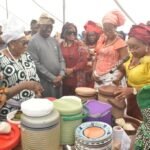
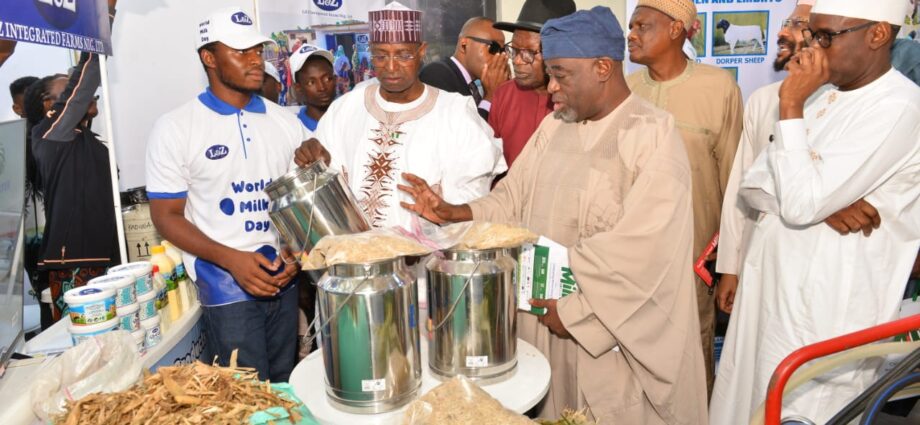
The National President of CODARAN, Alhaji Mohammed Abubakar, made the call on Monday in Abuja at a conference and exhibition organised to commemorate the 2026 World Milk Day.
The United Nations Food and Agriculture Organisation (FAO) established World Milk Day in 2001, and the 2026 edition carries the theme: “Celebrating Women Dairy Farmers: Promoting Fresh Milk Consumption for a Healthy Nation.”
Abubakar said support for women dairy farmers would also enhance rural economic development, noting that women remained at the heart of Nigeria’s dairy economy.
According to him, women dairy farmers contribute significantly to milk production, household nutrition, family income and the sustainability of local dairy systems across rural communities.
He, however, noted that many of them continued to face challenges, including limited access to finance, markets, infrastructure, training and business opportunities.
“It is therefore imperative that we continue to create platforms and interventions that recognise, support and empower women dairy farmers to thrive and contribute meaningfully to national development,” he said.
Abubakar described World Milk Day as an important occasion for recognising the contribution of milk and the dairy sector to nutrition, livelihoods, employment generation and economic development.
He said the event also provided an opportunity to raise awareness and encourage Nigerians to make fresh milk a regular part of their diet.
“Fresh milk is a highly nutritious food rich in high-quality protein and containing all the essential amino acids required for growth, development and overall wellbeing.
“However, the increasing presence of low-cost milk substitutes and creamers marketed as milk products has created confusion among consumers and, in many cases, denied them the full nutritional benefits associated with genuine milk consumption.
“While these products may serve certain dietary or culinary purposes, they do not offer the same nutritional profile as fresh milk and dairy products derived from fresh milk.
“We therefore urge Nigerians to make informed choices when purchasing milk and dairy products,” he said.
Abubakar advised consumers to carefully examine product labels and, where possible, choose fresh milk and dairy products made from fresh milk to maximise their health and nutritional benefits.
According to him, this would enable individuals and families to enjoy the rich nutrients that make milk one of nature’s most complete foods.
The CODARAN president also called on dairy companies to scale up investments in backward integration, describing it as one of the most effective strategies for ensuring a stable and sustainable supply of raw milk nationwide.
“This strategic approach remains one of the most effective pathways to securing a stable, sustainable and sufficient supply of raw milk nationwide.
“However, backward integration in itself is not the end goal. It is only a means to an end. The end goal is import substitution.
“Any backward integration programme that does not ultimately translate into import substitution amounts to effort without results,” he said.
Abubakar described the 2026 theme as timely, saying it highlighted the need to support women dairy farmers while promoting fresh milk consumption as a pathway to improved national nutrition.
He reaffirmed CODARAN’s commitment to advancing Nigeria’s dairy sector through advocacy, stakeholder collaboration, business development, investment promotion and support for local milk production and aggregation systems.
He added that CODARAN’s milk collection centres in Niger and Jigawa states currently provide a ready market for about 500 women dairy farmers, who receive prompt payment for milk supplied.
According to him, the initiative has helped boost household incomes and improve livelihoods in the benefiting communities. (NAN) www.nannews.ng
Edited by Tosin Kolade