






By Justina Auta
The Network of People Living with HIV/AIDS in Nigeria (NEPWHAN) has called on the Federal Government to urgently declare the ongoing tuberculosis (TB) commodity stock-out situation a national public health emergency.
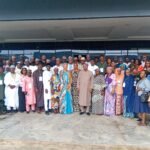
Abdulkadir Ibrahim, National Coordinator of NEPWHAN, made the call during a press briefing in Abuja.
Ibrahim warned that thousands of lives were at risk if immediate action was not taken.
He expressed deep concern over the persistent shortage of TB medicines, diagnostics, and laboratory supplies across health facilities in the country, describing the situation as a “life-threatening crisis.”
According to him, the shortage has disrupted treatment and increased preventable deaths, particularly among people living with HIV.
He added that the crisis reflects both weak financing and systemic gaps in procurement and supply chain management of essential health commodities.
“We are deeply alarmed by the continued stock-outs of TB medicines and diagnostics across the country.
“This is not just a supply issue; it is a public health emergency that is costing lives, especially among people living with HIV who are highly vulnerable to TB infection and death,” he said.
He explained that the Community-Led Monitoring (CLM) findings from NEPWHAN and its partners showed widespread disruption in TB service delivery across monitored facilities.
He said ”64.2 per cent of facilities reported stock-outs of at least one essential TB commodity, particularly Drug Susceptible TB Category 1 drugs, while 58.2 per cent recorded shortages of GeneXpert cartridges and sputum collection materials.”
Ibrahim added that 43 per cent of 921 patients interviewed reported being asked to return at a later date due to unavailability of essential commodities, warning that such delays worsen patient outcomes and increase transmission risks.
The coordinator also raised concern over the unavailability of medicines for opportunistic infections (OIs), particularly for persons living with advanced HIV disease.
He noted that many patients are unable to access lifesaving treatment for conditions such as cryptococcal meningitis and severe bacterial infections.
“This is especially dangerous for patients with advanced HIV disease when essential medicines are not available, we are effectively pushing vulnerable people closer to preventable deaths,” he said.
Ibrahim said the association’s supervisory visits under the AFROCAB small grant funded by UNITAID (THRIVE Project) showed that only a few facilities in Anambra State had access to OI medicines, while most facilities in Rivers and Benue recorded complete stock-outs.
He, therefore, decried what it described as inadequate domestic financing for TB programmes, noting that government counterpart funding obligations remain unmet.
“As I speak, there are no confirmed government funds for 2026 TB interventions, and the 54 million dollars counterpart funding commitment is yet to be released,” Ibrahim said.
He commended the Global Fund for supporting treatment for over 500,000 newly identified TB cases in 2025 but warned that Nigeria’s dependence on external support was unsustainable.
He, therefore, urged the Federal Government to immediately declare the situation a national emergency, release adequate funds for procurement of TB commodities, and strengthen supply chain systems to prevent future stock-outs.
The group also called for increased transparency and accountability in HIV, TB and malaria financing, and the urgent integration of comprehensive advanced HIV disease services into routine care.
NEPWHAN further appealed to the National Assembly, development partners, civil society organisations, and the media to intensify oversight and advocacy to prevent further deterioration of the health system.
“No Nigerian should die because medicines are unavailable. Access to life-saving treatment is a fundamental human right, and government must act now before this crisis escalates further,” he said.
He warned that failure to act promptly could reverse gains made in the fight against TB and HIV in Nigeria to save lives at stake.
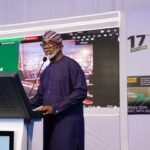
On his part, Mr Steve Aborisade, Senior Advocacy and Marketing Manager at AIDS Healthcare Foundation (AHF), described tuberculosis (TB) as a life-threatening disease and called for urgent, sustained action to address the growing burden of TB and HIV in Nigeria.
Aborisade stressed the need to establish a dedicated funding mechanism for TB and HIV programmes to strengthen prevention, diagnosis, treatment and care services, warning that inadequate financing could undermine gains recorded in the fight against both diseases.
He noted that increased domestic investment was critical to reducing new infections, improving access to life-saving services and ensuring that Nigeria does not lose progress achieved over the years through the support of government, development partners and other stakeholders.(NAN) (www.nannews.ng)
Edited by Isaac Aregbesola