







By Awayi Kuje
The Federal Ministry of Livestock Development is training over 60 veterinarians to eradicate Peste des Petits Ruminants (PPR) in sheep and goats by 2030.
The ministry stated its commitment to eradicating the deadly viral disease to secure livelihoods, boost national revenue, and ensure long-term food security across Nigeria.
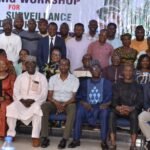
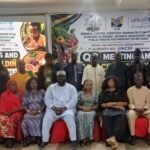
Dr Samuel Anzaku, Chief Veterinary Officer of Nigeria, spoke at the Pre-Field Training Workshop for (PPR) Sero-Surveillance and Transboundary Animal Diseases Sero-Monitoring in Akwanga, Nasarawa State.
Peste des Petits Ruminants, also known as sheep and goat plague, is a severe, highly contagious viral disease affecting both domestic and wild small ruminants.
The Federal Ministry of Livestock Development organised the two-day workshop in collaboration with the African Union Inter-African Bureau for Animal Resources (AU-IBAR).
Anzaku explained that the workshop prepared data collectors on standardised protocols, sample collection, digital data capture, biosafety measures, and field logistics.
“Participants will learn field methodology, animal selection, sampling procedures, specimen handling, data collection tools, documentation requirements, and standard operational procedures.
”Equally important, we will use this opportunity to ensure that teams operating in different states apply the same unified standards,” Anzaku said.
He noted that the implementation schedule for field exercises would be set during the workshop, considering the readiness and operational realities of participating state teams.
Anzaku emphasised that the training marked a major milestone in strengthening animal health surveillance to achieve the global 2030 PPR eradication target.
”Nigeria recently updated and validated its National Strategic Plan for PPR control, considering current realities to intensify efforts toward the 2030 target,” he added.
He noted that a recent AU-IBAR Monitoring mission helped evaluate gains, identify operational gaps, and pinpoint where greater investment was required.
Anzaku warned that disease surveillance without laboratory confirmation limits the ability to identify hotspots, track disease circulation, monitor population immunity, and guide interventions.
“Between January and June, field surveillance reported 565 suspected PPR outbreaks, but only four were laboratory-confirmed by the National Veterinary Research Institute.
“This vast discrepancy highlights the gap between field reporting and laboratory verification, underscoring the urgent need for stronger diagnostic confirmation nationwide.
Similarly, field reports suspected 504 Newcastle Disease outbreaks in poultry, yet laboratory records showed only two samples submitted, with one confirmed positive.
”If Nigeria is to eradicate PPR by 2030, we cannot rely solely on historical data, clinical suspicion, or passive reporting,” Anzaku emphasised.
He urged teams to generate current, geographically representative, and scientifically defensible evidence regarding disease circulation, susceptible animal populations, and overall herd immunity.
Anzaku charged participants to maintain professionalism, warning that improper sampling, misidentification, or broken chains of custody could compromise the entire exercise.
He stressed that gathered data must translate into better decisions, targeted vaccinations, improved risk identification, stronger reporting, and efficient resource deployment.
The chief veterinary officer expressed gratitude to the ministry and AU-IBAR for sponsoring the workshop and funding the upcoming field activities.
He acknowledged contributions from the NVRI, State Veterinary Services, academia, private veterinarians, and allied partners critical to the exercise’s success.
Anzaku commended Gov. Abdullahi Sule of Nasarawa State for creating the State Ministry of Livestock Development, aligning with President Bola Tinubu’s economic agenda.
He assured the state government of the federal ministry’s continued collaboration to advance livestock productivity and strengthen disease control measures.
Earlier, Dr Abdullahi Musa, Nasarawa Director of Veterinary Services, reiterated that the new ministry would boost state livestock production and food security.
Goodwill messages were delivered by representatives from AU-IBAR, the Nigerian Veterinary Medical Association, and the National Association of Animal Health and Husbandry Technologists.
The stakeholders pledged total commitment to delivering accurate data to support PPR eradication, protect farmer livelihoods, and enhance national food security.
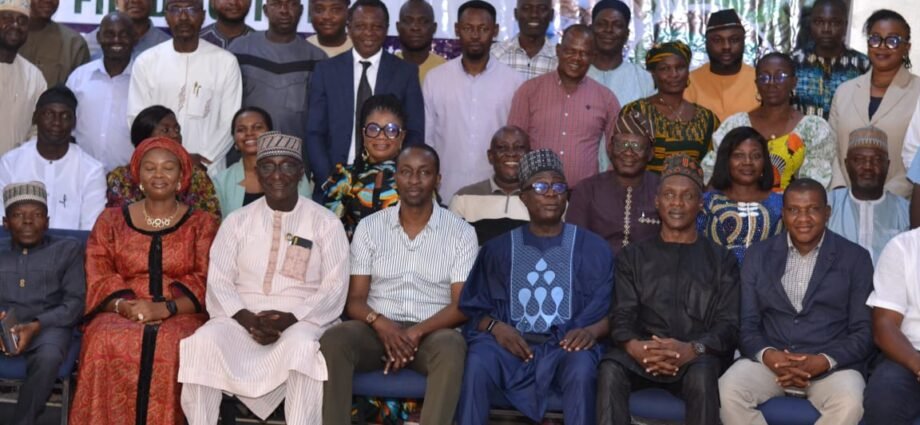
Attending the workshop were representatives from NVRI, Veterinary Teaching Hospitals, professional associations, private practitioners, and livestock ministry officials from federal and state levels.(NAN)(www.nannews.ng)
Edited by Muhammad Lawal