


By Felicia Imohimi
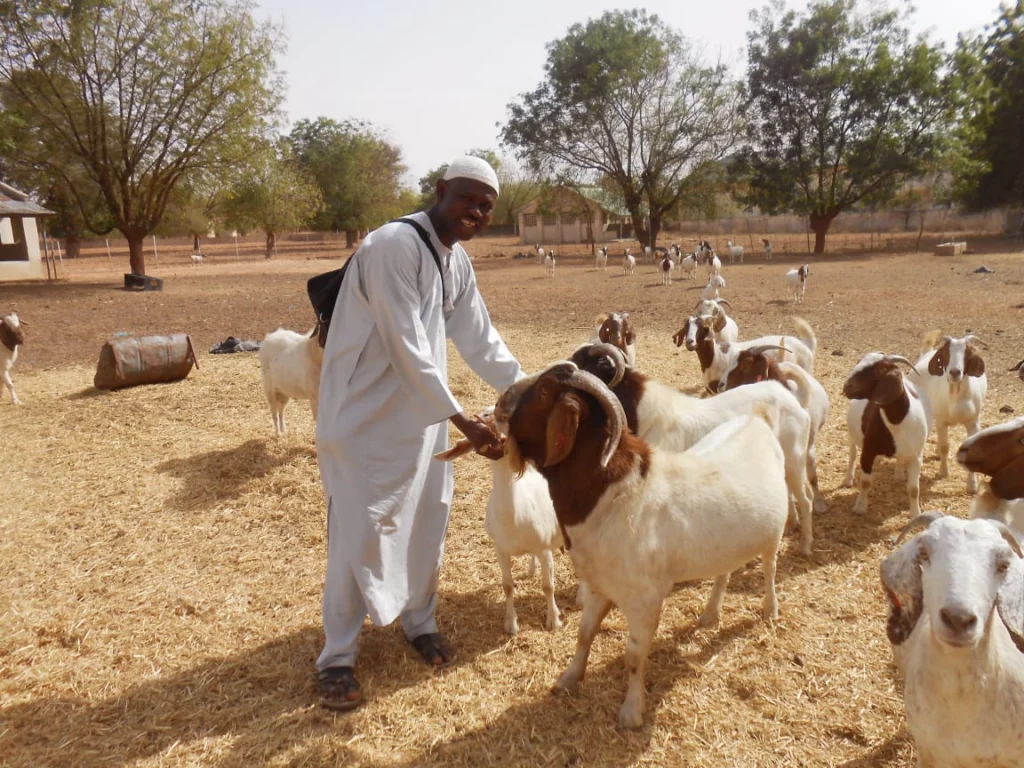
The National Sheep and Goat Development Association of Nigeria (NASHGODAN) has urged government to establish community-based feed banks nationwide to ensure farmers had easy access to affordable and quality feed.
The National President of the association, Abdullateef Ahmed, made the call in an interview with the News Agency of Nigeria (NAN) on Friday in Abuja.
He spoke against the backdrop of rising cost of livestock feed.
Ahmed called for collaboration among all tiers of government, financial institutions, development partners, feed manufacturers and research institutions to develop sustainable solutions to the rising cost of feed.
He said Nigeria could make significant progress towards affordable livestock feed by combining government support with private sector investment.
According to him, such collaboration will ensure that sheep and goat farmers can obtain adequate, safe and nutritious feed at prices that allow them to remain in business.
He recommended that government should promote locally available feed resources, establish community-based feed banks, encourage fodder production and improve feed storage and preservation, among other measures.
“Government should support the feed, empower the farmers, strengthen livestock production and secure Nigeria’s food future,” he said.
Ahmed described livestock feed as one of the most important factors that determine productivity, profitability and sustainability of livestock business.
He said access to affordable, nutritious and readily available feed was essential for healthy growth, reproduction and production of quality meat.
He, however, noted that the rising and sometimes unstable cost of feeds and raw materials was a major concern for farmers across the country.
According to him, the cost of feed early in October varies considerably depending on location, supplier, quality, quantity purchased, transportation cost, among other factors.
He said the rising cost was a serious challenge to the sustainability of sheep and goat farming, which, according to him if not addressed can weaken smallholder farmers.
He said it also had the potential to discourage youths from livestock framing, reduce supply of market-ready animals and put pressure on food affordability.
Speaking on the impact, Ahmed said the increasing cost affects farmers in many ways, including economically.
“Smallholder farmers who constitute an important part of Nigeria’s sheep and goat production system are particularly vulnerable.
“Sheep and goats provide meat, income, employment, manure and security to households in Nigeria. They also play an important role during festive periods.
“When feed becomes too expensive, farmers will reduce the quantity offered to their animals. This can lead to poor growth, reduced reproduction, disease vulnerability, increased mortality and lower profit,” he said.
He said other impacts included increased cost of production, reduced growth and low market weight, reduced participation by women and young farmers.
He said it also reflected in high mortality among young animals, increased prices of meat and other livestock products and threat to national food security.
Ahmed identified major factors responsible for the high feed cost to include high prices of maize and soybean, transportation and distribution costs and seasonal shortage of pasture and fodder.
He expressed the commitment of the association to collaborate with government and other stakeholders to address the challenges.
He said the association would identify and mobilise farmers, organise training, support community feed-bank development as part of its contribution to solving the problem.
According to him, the association will also collect information on feed prices, promote youth and women participation, evaluate and monitor government intervention to ensure that public investments delivered measurable benefits to livestock farmers.(NAN)
FUA/KUA
=======
Edited by Uche Anunne
Comments