









By Bushrah Yusuf-Badmus, News Agency of Nigeria (NAN)
Bethel Goddey’s quick succession of pregnancies—giving birth to her second child just eighteen months after her first, and conceiving her third only six months later—was entirely unintentional.
The mother of three from Edo wanted to space out her children, but her husband’s refusal to consent to family planning left her with no other choice.
“I found myself having children in succession because he didn’t allow me,” Goddey recalled. “But now, his perception has changed due to the economy and conviction through outreaches,” she said.
Although Goddey’s husband was not present when she later visited Iwogban Primary Health Centre in Ikpoba-Okha Local Government to have a contraceptive implant, his initial attendance at a mobile outreach months earlier helped change his perception of family planning.
At the outreach, he heard directly from healthcare professionals who addressed his fears and misconceptions about contraception. The experience, coupled with growing economic pressures associated with raising children, eventually secured his agreement.
Goddey’s experience reflects a wider challenge facing women seeking to make decisions about when and whether to have children.
In some communities in Nigeria, including Edo, male influence remains an important factor in determining whether married women use modern contraception.
According to the 2024 Nigeria Demographic and Health Survey (NDHS), 32 per cent of currently married Nigerian women reported that their husband or partner was the primary decision-maker regarding family planning, while 29 per cent said decisions were made jointly. Only 37 per cent reported making the decision independently.
In Edo, where the Modern Contraceptive Prevalence Rate (MCPR) among married women is about 19 per cent, opposition from male partners can become an additional barrier to family planning.
Such resistance is often linked to socio-cultural myths, fears that contraception could encourage female infidelity, concerns about side effects and misinformation about the safety of contraceptive methods.
For women living in hard-to-reach communities, these social barriers can be compounded by physical and financial barriers. A woman who has limited access to health facilities may also have little opportunity to receive accurate information about contraception from trained providers.
The challenge, therefore, is not simply getting contraceptive commodities to women. It is also creating an environment in which partners, families and communities understand family planning and are able to make informed decisions without misinformation or pressure.
This is where mobile outreach is being used as part of the response.
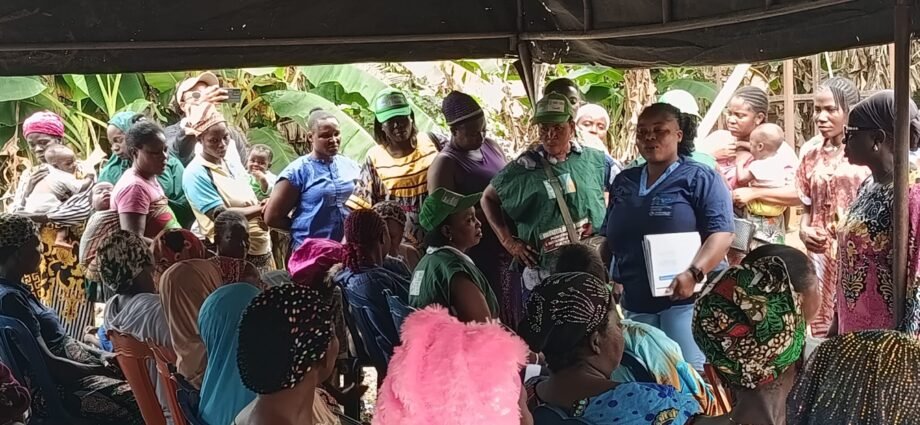
Rather than expecting women to overcome geographical, financial and social barriers on their own, mobile outreach teams are taking family planning services and counselling directly to underserved communities.
Non-Governmental Organisations such as MSI Reproductive Choices, in partnership with the Edo health sector, are implementing mobile outreach programmes that combine clinical services with community engagement and male-inclusive counselling.
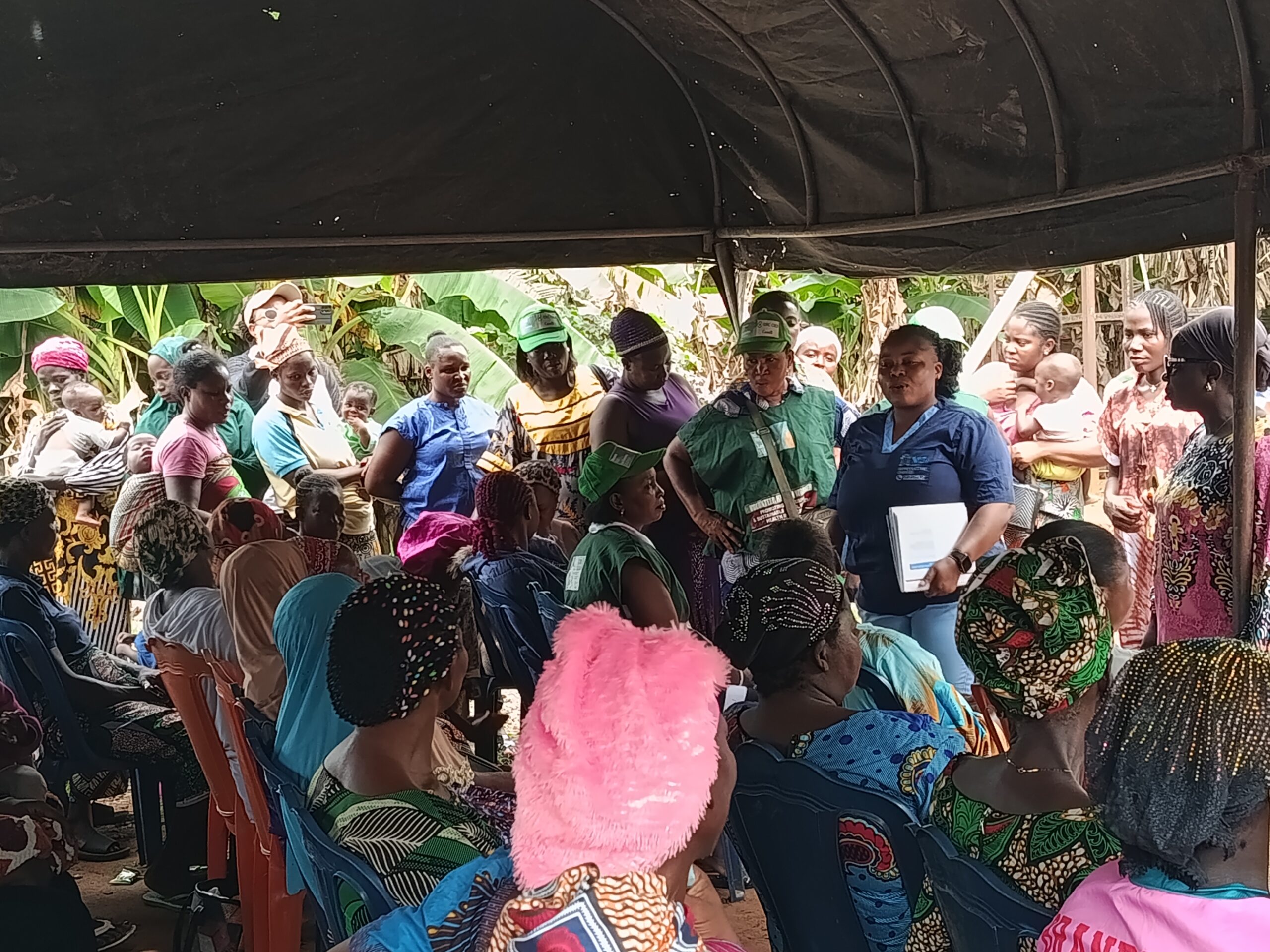
The approach is designed not only to make contraceptive services physically accessible but also to address the beliefs and fears that may influence a partner’s decision.
Mrs Omeche Enemaku, Regional Manager for MSI Reproductive Choices, South-South, said the organisation’s focus was on maternal and child health and ensuring that women in underserved communities could access quality sexual and reproductive health services.
“Through our outreach programmes, we want to ensure that we go to the last mile, the last community, wherever it is, to make sure that women of all communities deserve quality sexual and reproductive health services.”
According to Enemaku, MSI works with the Edo Ministry of Health, reproductive health coordinators and the Family Planning Coordinator to develop an annual outreach workplan.
“Most of the outreach locations are provided to us by the communities and in some places, we are lucky to have a health centre, and in some, they give us their town halls or even private homes to carry out the outreach,” she said.
This flexibility allows the intervention to operate even where conventional health facilities are unavailable or difficult to reach.
The mobile outreach model brings a team of healthcare professionals, including doctors, nurses and community health officers, into riverine, rural and other underserved communities.
Instead of establishing a new health facility in every location, the teams use existing community structures such as primary health centres, town or village halls and, in some cases, private homes made available by community members.
The teams provide modern contraceptive methods to women who might otherwise face geographical or financial barriers to accessing services.
But the clinical service is only one part of the intervention.
The outreach teams also organise community dialogues where residents can ask questions and discuss concerns about family planning.
Male stakeholders and women leaders are brought together so that misconceptions can be addressed collectively rather than leaving women to negotiate opposition on their own.
This male-inclusive approach is particularly important in communities where husbands or other male family members have significant influence over reproductive decisions.
According to Mrs Aja Abieyuwa, Reproductive Health/Family Planning Coordinator for the Edo Ministry of Health, the state works with MSI Nigeria to identify areas where family planning services are lacking.
“At the state level, we work with MSI Nigeria to conduct medical outreach as one of the ways of increasing uptake of Family Planning in Edo State by taking the services closer to the people.”
Abieyuwa explained that MSI’s outreach teams sometimes reach locations that government teams were unable to access.
“These locations were picked depending on the area we noticed are lacking, based on our database.”
The state and MSI map out locations at the beginning of each year and develop an outreach plan.
But according to Abieyuwa, the intervention does not begin and end with the provision of contraceptives.
“And while we are doing those outreaches, we don’t just start delivering services; we dialogue to ensure that we are able to dispel fears, myths and misconceptions.
“When we conduct community dialogues, we ensure male stakeholders and women leaders are present together,” she said.
This counselling component was important for Blessing Ikpomwosa, who approached an outreach centre at Ikoha in Ovia South-West Local Government Area.
Although her husband had given tentative approval for her to use a contraceptive method, Blessing herself remained hesitant because of rumours she had heard in her community.
Counselling from the healthcare team helped her reconsider those fears and make an informed decision about her reproductive health.
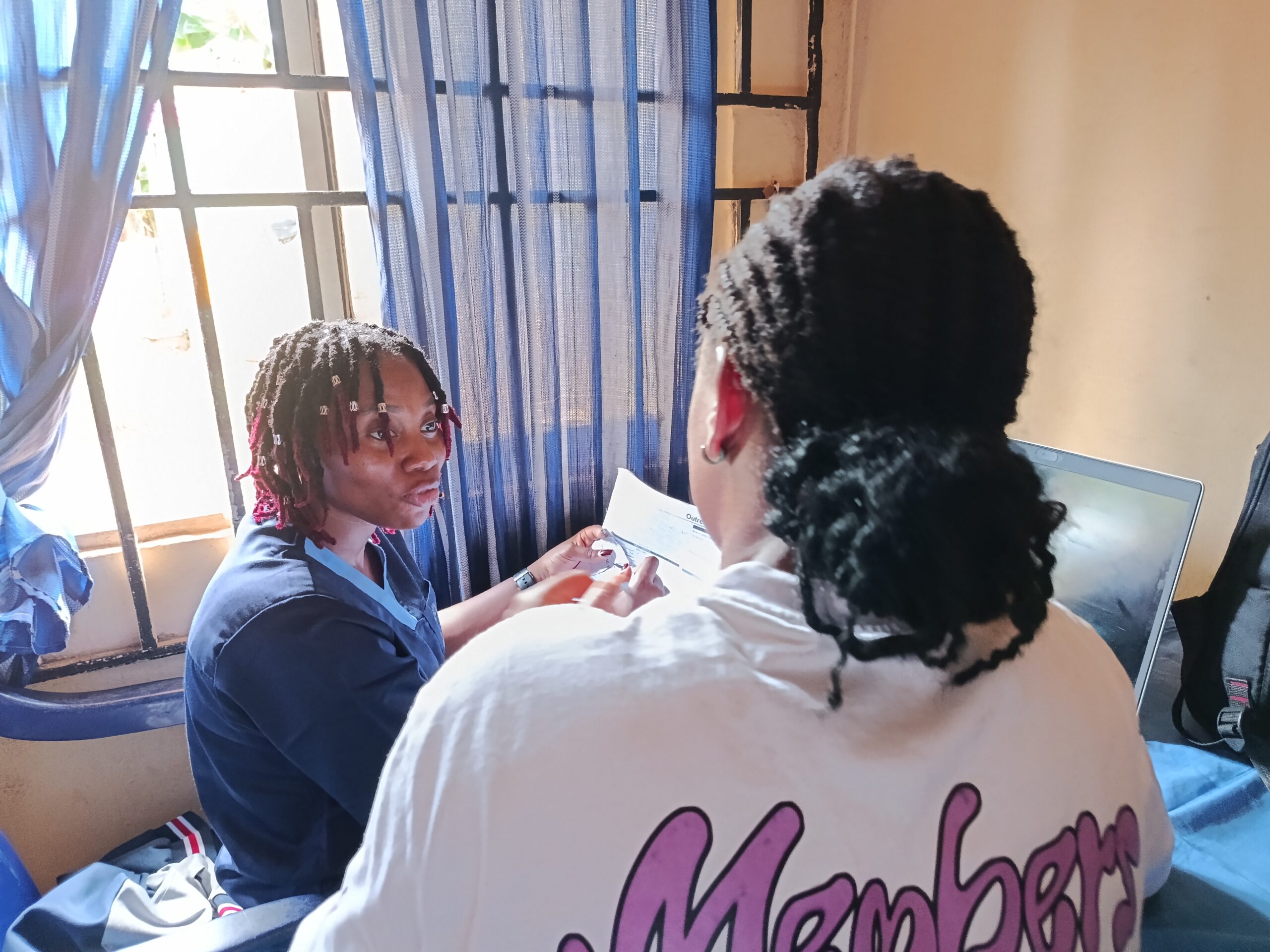
“I was scared because of all the health implications I heard from different people. But with what I heard from the team of professionals today, I am more than convinced to have a procedure done,” Ikpomwosa said.
The model, therefore, addresses two barriers at the same time: access to services and access to reliable information.
For women like Goddey, bringing men into the conversation can also help shift family planning from being perceived solely as a woman’s responsibility to a decision connected to the health and economic wellbeing of the household.
There are indications that the combination of outreach services, counselling and partnerships with the state health system is expanding the reach of family planning services in Edo.
The state’s Commissioner for Health, Dr Cyril Adams-Oshiomhole, attributed the growth in uptake to targeted programmes and partnerships, including outreaches to hard-to-reach communities and markets.
He said Edo’s MCPR stood at 19.4 per cent, above the 15 per cent national figure reported in the 2024 NDHS.
At the national level, MSI’s Head of Marketing and Communications, Mr Chibuike Utaka, said the organisation’s mobile outreach teams generated 2.6 million Couple Years of Protection (CYP) in 2025.
CYP is an indicator used to estimate the amount of contraceptive protection provided by family planning methods over one year. It measures contraceptive protection rather than the number of individual women served.
In Edo, Caro Oyakhire, Social and Behaviour Change Communication Agent at MSI Reproductive Choices in Benin City, said the organisation had reached approximately 1,482 outreach sites between 2023 and 2026.
The figures demonstrate the scale of the outreach operation, while individual stories and programme accounts showed how bringing professional counselling closer to communities can create opportunities for couples to confront fears and misconceptions that might otherwise remain unaddressed.
Goddey’s experience offers a particularly practical example.
Her husband’s attendance at an outreach session gave him an opportunity to hear information from healthcare professionals rather than relying solely on community perceptions. Months later, that changed perception enabled Goddey to access a contraceptive implant with his agreement.
One lesson from the Edo experience is that availability of contraceptives alone may not be enough.
Where partner opposition is a significant barrier, simply placing contraceptive commodities in a health facility may not reach the woman who cannot freely make or negotiate the decision to use them.
The outreach model addresses this by combining service delivery with dialogue.
A second lesson is the value of meeting communities where they are. Using existing public and community spaces reduces the need to build new infrastructure before services can reach underserved populations.
A third is the importance of including men without making them the owners of women’s reproductive choices. Male engagement can help address misconceptions and improve communication between partners, but family planning should ultimately remain voluntary and based on informed choice.
However, the model as it were also has limits.
Mobile outreach cannot, by itself, resolve deeply rooted gender norms or persistent opposition from men who remain unwilling to consider contraception.
It also cannot replace a functioning primary healthcare system. Outreach teams may provide temporary access to services, but women need continued access to trained providers, counselling, follow-up care and contraceptive commodities after the mobile team leaves.
The approach is, therefore, less suited as a stand-alone solution and works better as a complement to permanent health facilities and community-based health systems.
In spite of the progress, several gaps remain.
Persistent patriarchal resistance continues to affect family planning decisions, meaning that male engagement must go beyond one-off sensitisation activities.
Community leaders, religious leaders and traditional institutions may have an important role to play in changing perceptions over time.
Dr Coulson Osoikhia, Executive Secretary of the Edo Primary Health Care Board, said the state was leveraging traditional and religious authority structures to influence community attitudes.
“We hold quarterly Primary Health Care Summits where we invite traditional rulers, including the Oba of Benin, alongside Imams and pastors.”
Osoikhia explained that the leaders were educated on family planning so that they could communicate accurate information to their congregations and communities.
“This is because these leaders hold strong influence. Educating them enables them to preach in churches and mosques that contraception is safe and necessary for birth spacing and population regulation,” he said.
Another challenge is the availability of contraceptive commodities.
Although outreach staffing may be available, the supply of methods such as intrauterine contraceptive devices (IUCDs), implants and oral pills depends significantly on government allocations and donor support, including support from organisations such as UNFPA.
Supply-chain delays can, therefore, result in stockouts, particularly in rural facilities.
As more women adopt contraceptive methods, there is also a need to strengthen the management of side effects. Poor counselling or inadequate follow-up can cause women to discontinue methods unnecessarily or lose confidence in family planning services.
Experts say upholding privacy rights and preventing reproductive coercion requires continuous vigilance.
Efforts to expand contraceptive access must respect individual autonomy and informed selection.
Furthermore, strategies aimed at male engagement should be designed to facilitate collaborative communication, ensuring they do not inadvertently create new avenues for pressuring women’s contraceptive decisions.
Ultimately, Edo’s experience suggests that taking family planning services into underserved communities can do more than reduce physical distance.
When clinical services are combined with counselling and meaningful engagement of men and community stakeholders, outreach can create space for misconceptions to be challenged and for couples to reconsider decisions shaped by fear or misinformation.(NANFeatures)
Edited by Chijioke Okoronkwo
***If used, please credit the writer and the News Agency of Nigeria.
(NAN)