


By Folasade Akpan
For Mr Muhammed Usman-Vulegbo, a civil servant diagnosed with hypertension in his mid-30s, the experience challenged his belief that high blood pressure was a condition associated mainly with old age.
He sought medical attention after experiencing numbness in his hands and legs, which became severe enough to require emergency care.
“My father used to warn me because he had high blood pressure, but I thought it was something that would come in my 50s or 60s. Instead, it came without warning while I was still young.
“We need more awareness because hypertension can affect people even in their late 20s,” he said.
Beyond the initial shock of the diagnosis, Usman-Vulegbo said managing the condition required medication and dietary changes, placing additional pressure on his finances.
“It wasn’t just about buying drugs. The doctors also told me what to eat and what to avoid. In this economy, maintaining the recommended diet is another challenge entirely,” he said.
His experience reflects a wider challenge; detecting and managing hypertension among younger adults, a condition often associated with older people.
Indeed, recent research has documented hypertension among younger Nigerians, although reported prevalence varies across populations, age groups and diagnostic methods.
A review published in September 2026 in the Bratislava Medical Journal examined eight studies involving 5,455 participants and reported hypertension prevalence estimates ranging from 8.1 to 35.9 per cent.
The review also cited national estimates of 6.8 per cent among Nigerians aged 18 to 30 years and 18.1 per cent among those aged 30 to 39 years.
“National estimates demonstrated a four-to-five-fold increase in hypertension among adults aged 20–39 years between 1995 and 2020,” the researchers stated.
These findings point to a significant health concern, although differences in study populations and methods must be considered when interpreting the figures.
Globally, the World Health Organisation (WHO) estimates that 1.4 billion adults aged 30 to 79 years were living with hypertension in 2024.
Yet, the burden extends beyond the number of people affected.
The WHO’s 2025 fact sheet reported that 44 per cent of adults with hypertension were unaware of their condition, while only 23 per cent had their blood pressure under control.
This lack of awareness is significant because hypertension often develops without obvious symptoms.
The WHO defines hypertension as blood pressure persistently measuring 140/90 millimetres of mercury (mmHg) or higher, with diagnosis generally requiring elevated readings on two different days.
Consequently, routine blood pressure measurement remains essential, as people may feel healthy while living with the condition.
Health experts warn that uncontrolled hypertension can damage the heart, brain and kidneys, increasing the risk of stroke, heart disease and kidney failure.
Evidence from Nigerian university-based research further illustrates the problem, especially the gap between having the condition and knowing one’s status.
A study published in May 2025 in BMC Cardiovascular Disordersexamined 346 clinical students at the University of Ibadan, whose mean age was 23.9 years.
It found that eight per cent had hypertension, while 33 per cent had prehypertension under the study’s classification.
Of the 28 students identified with hypertension, only four already knew their status, and none was taking medication.
Similarly, another study published in March 2026 examined 941 sexually active adults aged 18 to 45 years in Ibadan.
Using thresholds from the American College of Cardiology and American Heart Association, the researchers classified 19.9 per cent of participants as having stage one hypertension and nine per cent as having stage two hypertension.
However, the study used a lower threshold for stage one hypertension than the 140/90 mmHg threshold used in the WHO definition.
Taken together, the studies demonstrate that hypertension is present among younger adults in the populations examined and that some affected individuals remain unaware of their status.
They do not, however, establish a nationwide trend or explain the causes of individual cases.
Beyond the research findings, doctors say the assumption that hypertension affects only older people may discourage younger adults from seeking routine medical checks.
Dr Adisa Adams, a consultant cardiologist at the Lagos University Teaching Hospital (LUTH), said he was seeing younger patients with hypertension more often in his clinical practice.
“In my earlier years of practice, high blood pressure is mostly an issue of the mature and old folk starting from 50 years, but now we see 28 years to 35-year-old hypertensive patients,” he said.
According to Adams, one challenge is the belief among younger people that their age protects them from cardiovascular problems.
“The first issue with the younger generation is the false and unwise belief that they are young and thus, do not need to regularly check themselves.
“The second is the fact that they are not taking preventive measures, well as lack of public information and sensitisation about the dangers associated with hypertension,” he said.
He therefore advised adults to undergo medical assessments even when they felt healthy, stressing that the absence of symptoms did not rule out hypertension or other cardiovascular problems.
Similarly, Dr Marvelous Idemudia of the Economic and Financial Crimes Commission Clinic identified unhealthy diets, stress, physical inactivity and poor health habits as concerns among younger adults.
“The increasing prevalence of hypertension and diabetes among young adults should not be ignored.
“Unhealthy diets, stress, sedentary lifestyles, and poor health habits are among the major factors driving this trend,” she said.
To address these risks, Idemudia advised young people to undergo blood pressure and blood sugar screening, maintain balanced diets, exercise regularly and get adequate sleep.
Adding another perspective, Dr Ukoma ChiKadibia, vice-president of the Nigerian Cancer Society, pointed to changing dietary habits and reduced physical activity as concerns.
“Young people today are no longer eating the traditional foods our parents grew up with.
“They prefer fast foods, shawarma and other processed meals that are heavily loaded with sodium, which puts stress on the heart and increases blood pressure,” he said.
ChiKadibia also expressed concern about prolonged sitting and excessive screen time, which could reduce opportunities for physical activity.
He added that late-night internet use could disrupt healthy sleeping patterns.
More broadly, the WHO identifies excessive salt consumption, unhealthy diets, physical inactivity, tobacco use, excessive alcohol consumption, and overweight or obesity as modifiable risk factors for hypertension.
Accordingly, the organisation recommends reducing salt intake, eating more fruits and vegetables, exercising regularly and maintaining a healthy weight.
Adults should aim for at least 150 minutes of moderate-intensity aerobic activity weekly.
Family history is another consideration, making regular screening important for people with relatives who have hypertension.
Nevertheless, lifestyle changes alone do not replace medical assessment or prescribed treatment for people already diagnosed with the condition.
For many patients, the challenge extends beyond knowing their blood pressure status to being able to afford the medicines, consultations and dietary changes required for long-term management.
The Advocacy Partnership for Hypertension Financing and Patient Voice (APH-FiP), implemented by the Legislative Initiative for Sustainable Development (LISDEL), with support from the Global Health Advocacy Incubator and in partnership with Resolve to Save Lives, has highlighted gaps in hypertension financing.
According to its factsheet, fewer than five per cent of Nigerian primary healthcare (PHC) patients receiving hypertension care have prepaid health insurance coverage, leaving many to pay out of pocket.
The factsheet estimates that affected households spend between 20 dollars and 55 dollars or more monthly, while 48.2 per cent face a risk of impoverishment.
Beyond the direct cost to households, it puts minimum annual productivity losses from hypertension and other non-communicable diseases at 400 million dollars.
The document also states that 0.05 per cent of Nigeria’s 2025 health budget was allocated to hypertension, while about six per cent of the total health budget went to non-communicable diseases.
Against this background, the partnership recommends timely release of allocated funds, dedicated budget lines for non-communicable diseases and expansion of the WHO HEARTS programme to PHC facilities nationwide.
It further identifies primary healthcare as a platform for prevention and control, estimating that an annual investment of 113 million dollars over 15 years could avert up to 77,500 deaths during the period.
Given these challenges, improving access to screening and treatment at the primary healthcare level could help identify more people with hypertension before complications develop.
Dr Ifeoluwa Odedina, a public health physician at the University College Hospital (UCH), Ibadan, said PHC facilities could provide accessible blood pressure screening using simple equipment.
“Screening for hypertension at the primary level is very effective.
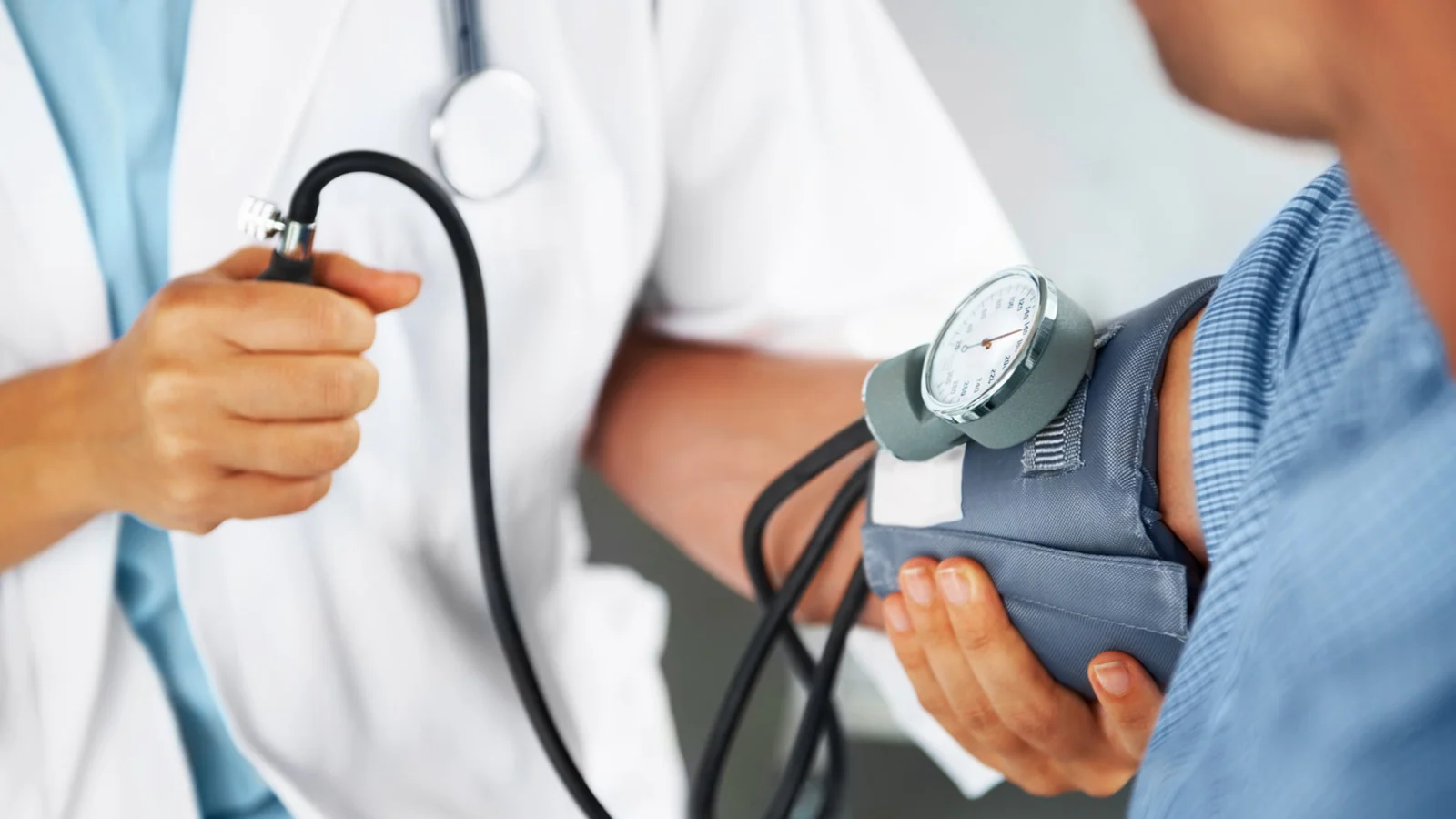
“It requires only simple tools like a manual blood pressure machine, and most nurses or community health extension workers can be trained on how to use one,” he said.
Odedina attributed low screening uptake partly to the absence of symptoms, which could leave the condition undetected until complications developed.
He urged adults to check their blood pressure regularly and advised people diagnosed with hypertension to attend clinic appointments and take prescribed medicines consistently.
He also recommended reducing salt intake, exercising regularly, avoiding tobacco use and limiting alcohol consumption.
In the same vein, Prof. Basden Onwubere, former president of the Nigerian Hypertension Society, called for routine blood pressure checks and greater public awareness.
“Young people are now coming down with hypertension which is a disturbing trend compared to the past where older adults in their 50’s and above were affected by the disease.
“We should pay more attention to this because many people in this age group are unaware that they have the condition,” he said.
Onwubere noted that hypertension could remain undetected because many affected people did not feel ill until complications occurred.
For young Nigerians, the research findings and expert accounts underline the importance of checking blood pressure rather than assuming that youth offers protection.
Routine screening, healthier diets, regular physical activity and adherence to prescribed treatment can help reduce the risks associated with hypertension and prevent complications.
However, beyond individual efforts, effective hypertension control also requires affordable medicines, sustained public awareness and improved access to healthcare services.
Against this background, Dr Temilade Adeyanju, a consultant cardiologist at UCH, Ibadan, urged Nigerians to prioritise regular blood pressure checks.
“For Nigerians, know your numbers, do your blood pressure checks routinely, it saves you from the silent killer,” she said. (NANFeatures)
Edited by Tosin Kolade

Comments