


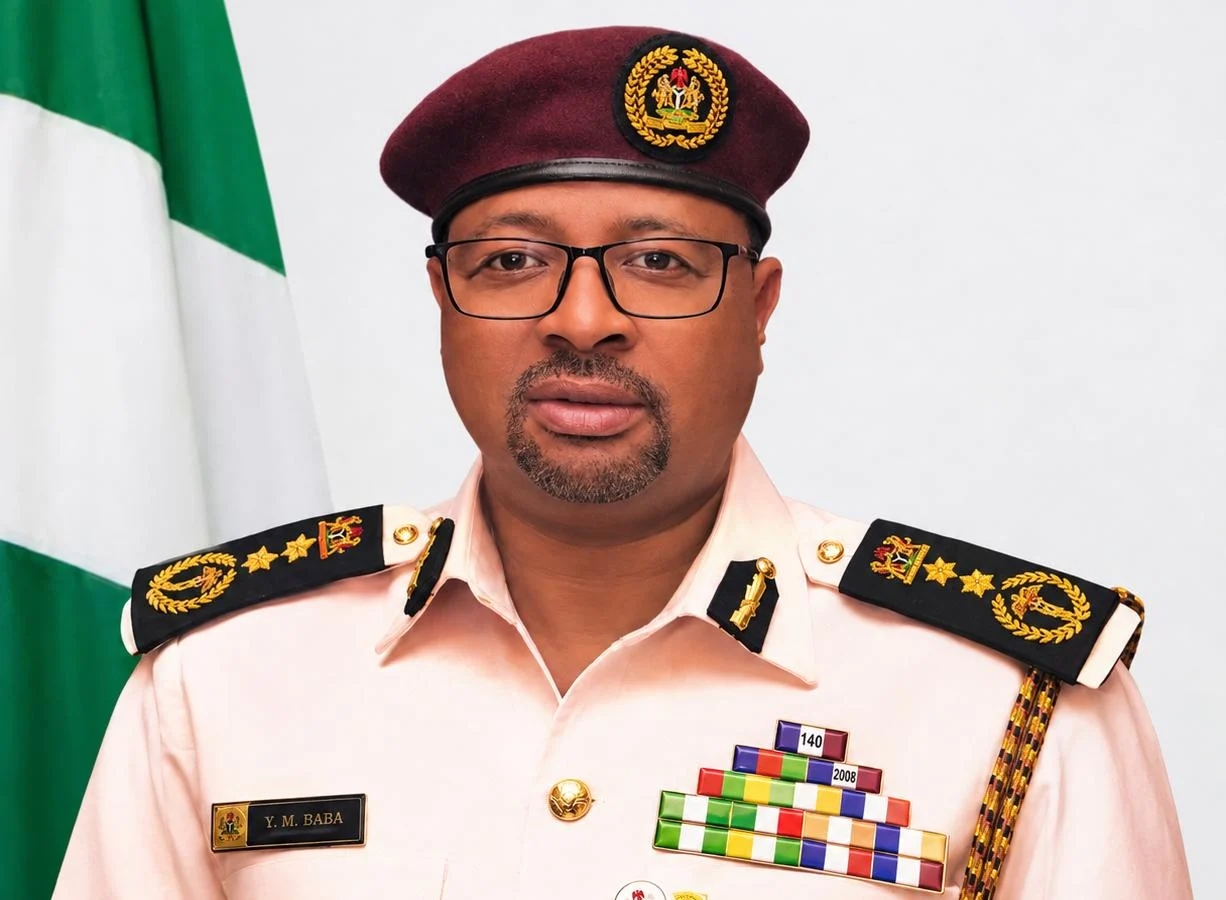
By Felicia Imohimi
The Environmental Health Council of Nigeria (EHCON) has attributed the persistent burden of communicable diseases in the country to inadequate investment in preventive health services by state and local governments.
Dr Yakubu Baba, Registrar and Chief Executive Officer of EHCON, said this in an interview with the News Agency of Nigeria (NAN) on Wednesday in Abuja.
Baba was reacting to calls for the restoration of effective sanitary inspection across the country to strengthen environmental hygiene and protect public health.
He said sanitary inspectors had not been formally withdrawn but had been sidelined over the years, weakening preventive health services at the community level.
According to him, environmental health services are constitutionally assigned to local governments, which should provide the personnel and resources required to prevent disease outbreaks.
He, however, said many local governments now prioritised the construction of health facilities over the provision of preventive services.
“A large chunk of environmental health officers are supposed to be working at the local government level.
“But the priority now at the local government level is building health facilities, not strengthening public health services. And that is why the indices of diseases are not changing,” he said.
The registrar explained that the situation created a cycle in which patients treated in hospitals returned to the same environments where they contracted the diseases, exposing them to possible reinfection.
“Over 90 per cent of communicable diseases, including cholera, malaria, typhoid and respiratory tract infections, are sanitation-related,” he said.
Baba said although the environmental health profession had evolved from the traditional sanitary inspector role to a specialised field, government employment and funding had not kept pace with the changes.
He said EHCON had trained professionals across different categories, including technicians, technologists, scientists, consultants and specialists, to address emerging and re-emerging public health challenges.
He also expressed concern over what he called the dominance of medical doctors in health policy formulation at the state and federal levels, arguing that greater attention was needed for preventive health services.
Baba further decried inadequate budgetary provisions for disease prevention, saying government spending focused largely on building health facilities, procuring drugs and acquiring diagnostic equipment.
“When you look at the national budget and state budgets, a lot of money is being allocated for building health facilities, procuring drugs and equipment for diagnosis.
“In the same budget, how much has been allocated for preventive health services? You see zero allocation,” he said.
He said countries with stronger preventive health systems invested in measures to stop diseases before they occurred, thereby reducing pressure on hospitals.
“In such countries, when the disease comes, the health facility will be able to treat and return them back to the community,” he said.
The registrar called for a change in Nigeria’s health financing priorities to give greater attention to environmental sanitation and preventive interventions.
He maintained that improving environmental conditions would significantly reduce the incidence of preventable diseases.
Baba cited Kigali, Rwanda, as an example of a city where environmental cleanliness formed an important part of public health management.
“When you go to Kigali, a very clean city, the number of diseases occurring there are not happening in Nigeria because it’s a clean city. Even the serenity will give you psychological immunity,” he said.
He said EHCON would continue to advocate the reintroduction and empowerment of sanitary inspectors to strengthen environmental sanitation and safeguard public health. (NAN)
FUA/TAK
Edited by Tosin Kolade

Comments