


By Ijeoma Olorunfemi
The International Telecommunication Union (ITU) has urged African governments to strengthen policy and regulatory frameworks to create an enabling environment for private sector investment in the digital economy.
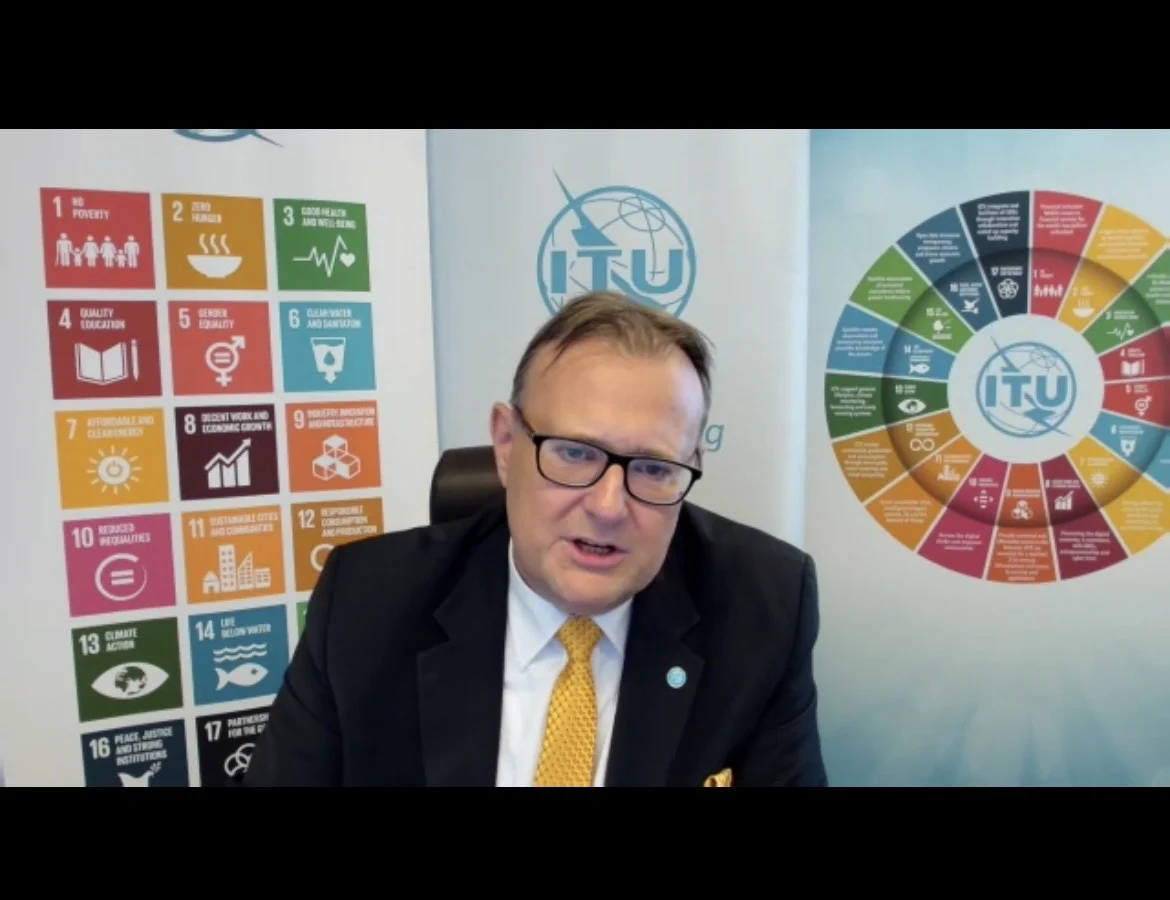
Mr Jaroslaw Ponder, Head of ITU Office for Europe, made the call at the 8th Africa ICT Alliance (AfICTA) Advisory Council Annual General Meeting which held virtually.
The meeting was themed: “WSIS, The Private Sector in Europe and Lessons for Africa.”
Ponder said appropriate policies, predictable regulations and initiatives such as regulatory sandboxes could encourage investment and support the growth of emerging digital technologies.
He said the ITU had developed analytical tools to help countries assess their digital ecosystems, identify gaps and determine measures required to promote private sector participation.
According to him, the organisation also provides technical assistance to governments developing digital strategies, particularly in emerging areas such as Artificial Intelligence (AI).
“Many governments are puzzled as to what extent they have to engage, how to develop the strategies and policies, and how to assess what building blocks have to be put together.
“This is the place and the moment when ITU comes to provide this support, to analyse the country’s situation and provide guidance on the best way to proceed,” he said.
Ponder said the digital divide was evolving beyond basic connectivity to include AI, digital skills and cybersecurity, making meaningful connectivity increasingly important.
He said more than 1,000 companies participated in ITU activities, including standards development, spectrum management and satellite-related issues.
The ITU official said the organisation had developed more than 6,000 standards, including over 870 AI standards, and publishes more than 300 standards annually.
He said Africa could draw lessons from Europe’s experience in harmonising digital policies and regulations to create a more investment-friendly digital environment.
Ponder said the ITU, with support from the European Union, was implementing the Africa BBMaps project to map connectivity infrastructure and identify gaps and opportunities for public and private investment.
He said the initiative was also facilitating the transfer of European expertise and experience to Africa.
He stressed the need for stronger collaboration among governments, the private sector and other stakeholders to address challenges relating to connectivity, digital skills and cybersecurity.
Ponder said the continuation of the World Summit on the Information Society (WSIS) process for another 10 years had been confirmed, reinforcing the need for sustained global cooperation on digital development.
Earlier, Dr Jimson Olufuye, Chairperson of the Advisory Council, said AfICTA was established in line with the mandate of WSIS to promote ICT-enabled development.
Olufuye said the alliance remained committed to fostering accelerated ICT-enabled development through multi-stakeholder dialogue and the adoption of cutting-edge technologies. (NAN)
Edited by Jacinta Nwachukwu/Uche Anunne



Comments