


 By Abdullahi Maku
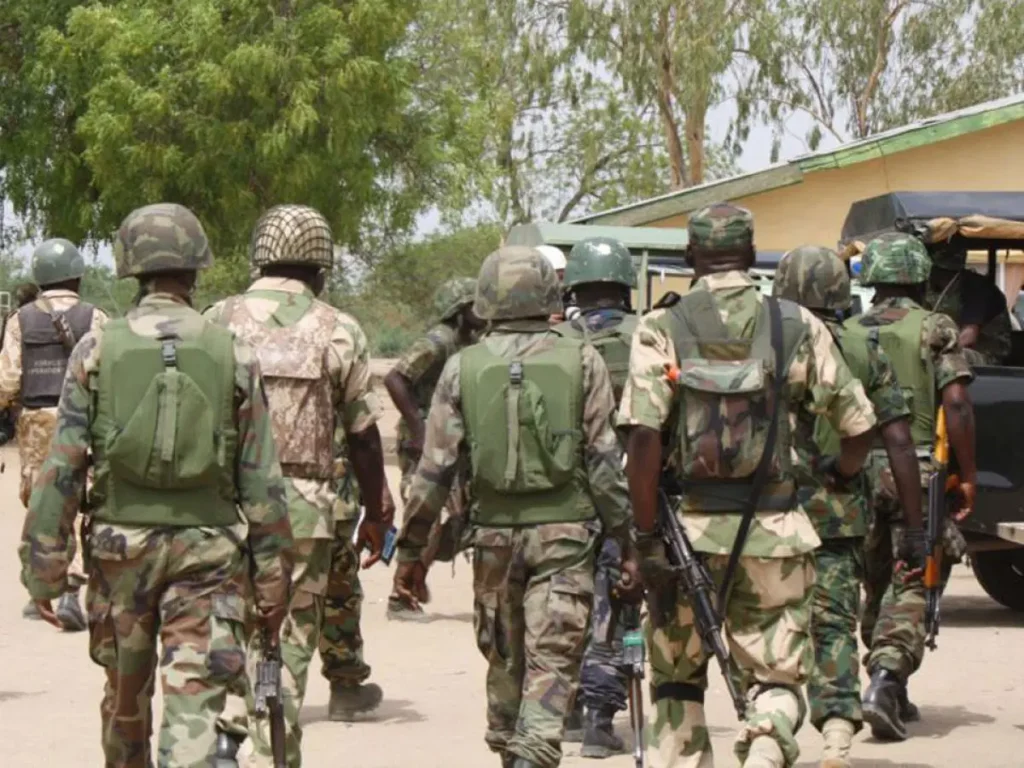
A Military Cardiologist, Maj.-Gen. Life Ajemba, has warned that intense combat situations could trigger significant cardiovascular responses in soldiers, with prolonged stress potentially affecting their heart health.
Ajemba gave the warning in an interview with the News Agency of Nigeria (NAN) Abuja on Wednesday, while explaining the impact of operational stress on military personnel exposed to life threatening situations.
According to him, soldiers under attack could experience a ”fight or flight” response, during which the heart rate rises, muscles tense and stress hormones such as adrenaline and cortisol release.
”The response is a natural mechanism that prepares the body to either confront danger or escape from it.”
He explained that some personnel might however continue to experience elevated heart rates and blood pressure even after the immediate danger had passed.
”When heart rate is increased, the next thing is that blood pressure must increase to maintain adequate blood supply,” he said.
The cardiologist noted that repeated exposure to traumatic incidents, including witnessing the death or severe injury of colleagues, could also leave some personnel with operational stress or post-traumatic stress disorder.
He said the psychological impact of such experiences could sometimes be difficult to detect because affected personnel might appear normal to colleagues and commanders.
He therefore called for greater recognition of mental health challenges among military personnel, stressing that symptoms should not be dismissed as malingering or weakness.
He said tactical breathing however, could provide immediate support to personnel experiencing acute anxiety during operations.
According to him, the technique involves inhaling, holding the breath, exhaling, and holding again for four seconds each.
He explained that the exercise could help calm the sympathetic nervous system and enable the affected personnel to regain some control.
Ajemba also said that personnel who continued to experience severe anxiety or psychological distress could be evacuated to appropriate medical facilities for professional assessment and treatment.
He noted that military hospitals were increasingly being used to provide mental health services, including screening personnel before deployment and assessing them after operations for emerging psychological problems.
He also advocated routine health monitoring to detect early changes in a soldier’s cardiovascular condition.
He said wearable health devices capable of tracking heart rate, heart-rate variability and sleep disturbances could complement conventional medical screening by identifying unusual changes that required further assessment.
The cardiologist urged military authorities to combine operational readiness with greater attention to the long-term physical and psychological well-being of personnel.
He said protecting soldiers’ health was essential not only for their individual well-being but also for maintaining an effective and resilient fighting force.(NAN)
Edited by Deborah Coker
Source: News Agency of Nigeria



Comments