


By Moses Kolo
The Kaduna State Government has begun a comprehensive review of its 2019 Environmental Policy to address emerging environmental challenges and strengthen sustainable development across the state.
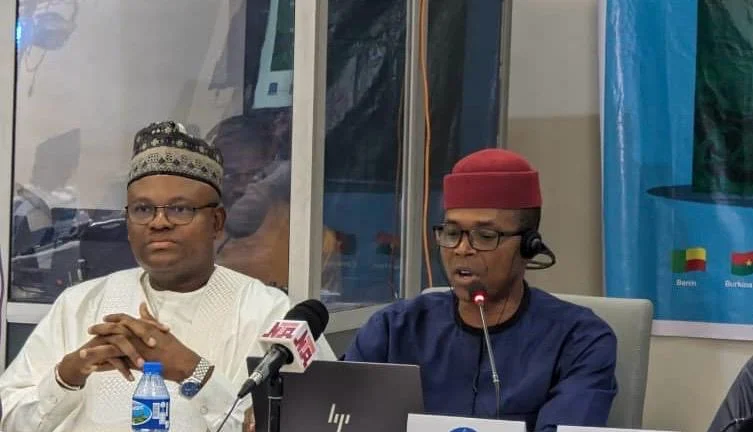
The initiative was announced by the Commissioner for Environment and Natural Resources, Malam Abubakar Buba, at a two-day stakeholders’ engagement organised under the Strengthening Peace and Resilience in Nigeria (SPRING) programme in Kaduna.
The Commissioner, represented by Ibrahim Zakari, described the policy review as both pivotal and dynamic, noting that it would help align Kaduna’s environmental framework with current realities and global best practices.
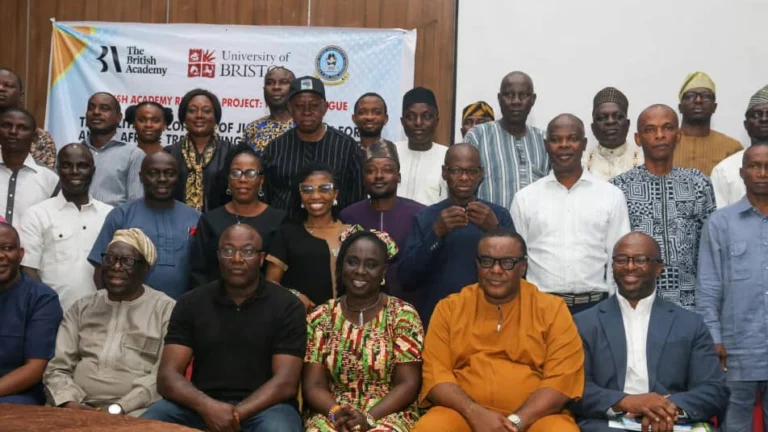
He explained that the engagement brought together a broad range of stakeholders, including government agencies, legislators, civil society organisations, private sector actors, academics, and non-profit groups.
According to him, the platform was designed to strengthen collaboration and inclusiveness in addressing environmental challenges affecting the state.
Key environmental concerns highlighted at the forum include pollution, global warming, overpopulation, unsustainable consumption, and wildlife crime.
The Commissioner noted that Kaduna is currently facing serious ecological challenges, including rapid urbanisation, poor waste management, and increasing pressure on natural resources.
He stressed that human activities, industrial pollution, and environmental neglect are contributing to the deterioration of air and water quality in the state.
Buba emphasised that the review process is not just procedural but a collaborative effort to ensure a stronger policy framework that protects natural resources and livelihoods.
He called for mainstreaming climate action into state planning, alongside improved strategies for water conservation and land restoration.
The Commissioner also urged greater inclusion of vulnerable groups, youths, and local communities in shaping environmental policies and interventions.
He reaffirmed that environmental protection is a shared responsibility and encouraged citizens to adopt environmentally friendly practices in their daily lives.
The Commissioner also reminded that effective policies depend on active participation and constructive input from all sectors of society.
He commended the SPRING programme and its partners, including the Foreign, Commonwealth and Development Office (FCDO), for supporting environmental sustainability and resilience efforts in Kaduna.
Also speaking, Mr Barau Emmanuel, State Representatives of the SPRING programme highlighted the link between environmental governance and conflict prevention, noting that effective resource management could significantly reduce tensions in vulnerable communities.
Emmanuel said the programme was supporting Kaduna State in developing policies that promote environmental sustainability while strengthening institutional capacity and community engagement.
In a presentation, Miss Gloria Kasang Bulus, Executive Director of Bridge That Gap Initiative and Coordinator of the Network of Civil Society in Environment (NCSE), highlighted ongoing efforts to improve Kaduna State’s access to adaptation finance.
She noted that partners are working with government and civil society to strengthen climate governance systems, improve project design, and enhance coordination mechanisms for attracting climate resilience funding.
Bulus explained that these efforts are essential in addressing climate-related vulnerabilities such as flooding, erosion, and environmental degradation affecting communities across the state.
She further stated that development partners are helping Kaduna establish a more structured and accountable framework for adaptation financing to ensure effective resource utilisation.
According to her, the push for adaptation finance is not only about securing funding but also about building systems that can manage and sustain climate resilience investments effectively.
She emphasised that Kaduna must be well-prepared to access both national and international climate finance opportunities in line with global best practices.
Participants further expressed optimism that the outcome of the engagement would lead to stronger environmental governance and improved resilience across the state.
The engagement is expected to produce key recommendations that will guide the final review and implementation of the Kaduna State Environmental Policy.
The News Agency of Nigeria (NAN) reports that these recommendations are expected to shape a more responsive and inclusive environmental policy framework for the state.
The revised policy is anticipated to strengthen environmental governance, enhance climate adaptation measures, and contribute significantly to peace, stability, and resilience in communities across Kaduna State. (NAN)
Edited by Yakubu Uba
Comments