


By Linda Ogbonna
The Lagos Youth Development Institute (LYDI) has called for stronger partnerships and sponsorship from the private sector, development organisations and other stakeholders to expand leadership development opportunities for young people.
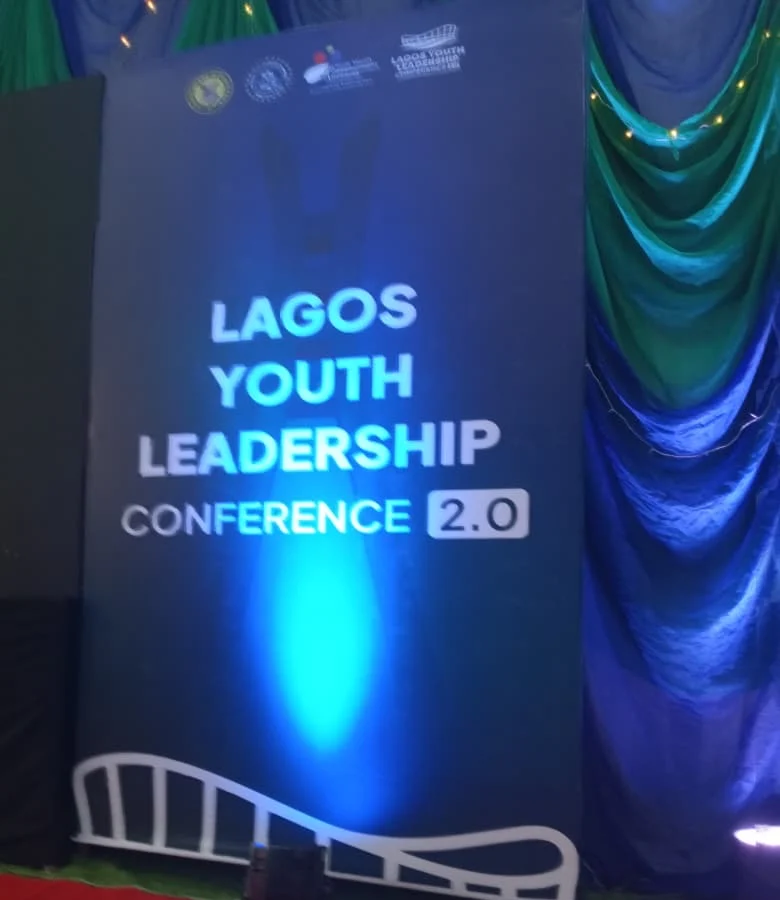
Mr Ademosu Jamiu, Director-General of the institute, made the call at the second edition of the Lagos Youth Leadership Conference in Lagos on Tuesday.
The conference, with the theme, “The Power Equation: How Youth and Institutions Shape the Future of Governance,” focused on the relationship between young people and institutions in shaping governance and society.
Jamiu said LYDI was established to empower young people with knowledge, skills, opportunities and networks to enable them contribute meaningfully to society.
He said the institute’s programmes provided platforms for young people to connect, learn, exchange ideas and engage with institutions and leaders shaping society.
According to him, the growing need for leadership development, mentorship, skills and meaningful participation among young people required collaboration beyond the institute.
“We recognise that LYDI cannot meet the needs alone, which partnership is therefore the central pivot for LYDI to navigate to achieving and sustaining our dreams,” he said.
Jamiu said the institute was committed to leveraging partnerships with the private sector, development organisations, institutions and individuals who shared its vision for youth development.
He also called for continued support from the Lagos State Government, relevant ministries, departments and agencies, as well as private-sector organisations.
He said such support would enable the institute to expand its reach, take more programmes to communities and increase the impact of its youth development initiatives.
According to him, the institute had initiated programmes that had helped young people develop skills, confidence, networks and opportunities to take on greater responsibilities.
He, however, noted that more young people still required access to leadership development, mentorship and platforms for meaningful participation.
Jamiu urged participants to listen, learn, network, build relationships and apply the knowledge gained to their communities, workplaces and society.
“Investing in young people is investing in the future of Lagos, as Lagos is very dear to us, as well as the entire country, Nigeria,” he said.
He also urged young people to engage institutions constructively, bring their ideas to the table and take action with the resources available to them.
Jamiu said the future envisioned by the institute required young people and responsive institutions to work together through participation, collaboration and shared responsibility.
Also speaking, Mrs Yetunde Asika, Co-Chair, Bandung Africa, and an Advocate of the Supreme Court of Nigeria, said good intentions alone were insufficient to produce meaningful change.
Asika, who is also an International Human Rights Lawyer, said that to achieve results, the institute must establish clear rules and regulations to guide its operations.
“Good intentions without structure collapses. Before you try to change something, you have to understand the systems you are trying to change,” she said.
She said effective change required moving beyond conferences, policy statements and initiatives to building systems capable of delivering measurable impact.
Asika called for stronger collaboration between young people and institutions to address governance and development challenges.
Prof. Seni Afisi, Deputy Vice-Chancellor, Academics, Lagos State University (LASU), urged political groups to create opportunities for youths to acquire leadership skills and experience.
Afisi said political groups should provide opportunities for young people to participate in their activities, stressing that such exposure would enable them to learn the processes of leadership.
“You must also learn through the groups. Learning is important for you to be able to become a good leader yourself,” he said.
Afisi noted that youths were becoming increasingly politically conscious, partly due to the influence of social media.
“The political consciousness that they have today is as a result of all these indices and it must be harnessed to the betterment of the society,” he said.
The News Agency of Nigeria (NAN) reports that the event also featured the graduation of participants described as “Luminaries” under the institute’s youth development programme. (NAN)
Edited by Grace Alegba



Comments