










By Vivian Emoni
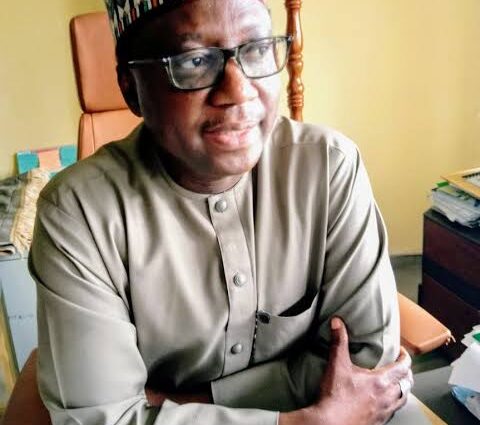
Dr Mohammed Shehu, Chairman, Revenue Mobilisation Allocation and Fiscal Commission (RMAFC) says nationwide data verification exercise by the commission will sustain and strenghten revenue allocation framework.
Shehu disclosed this while briefing newsmen on the importance and purpose of the nationwide exercise in Abuja on Thursday.
He said the main purpose of the exercise, which has already commenced at various states was, to review the factors and proxies used in the sharing of revenue among states and local governments.
According to him, the goal is to ensure that the distribution of national resources accurately reflects the current socio-economic realities across the federation.
The chairman described the exercise as a landmark initiative for fiscal federalism and national development planning.
He said that credible and verified data remained the foundation of a fair and sustainable revenue allocation system.
He said outcomes of the exercise would impact national planning, fiscal management and balanced regional development.
Shehu said that the exercise was both a statutory duty and a strategic effort to strengthen institutional credibility and evidence-based policymaking.
He said the rollout would cover all states, including Federal Capital Territory through region-by-region verification, adding that the process would involve systematic collection, validation and reconciliation of key socio-economic and infrastructural data.
He listed focus areas to include education, health services, revenue generation capacity and infrastructure across states and local governments.
Shehu said that revenue allocation indices, including population and landmass, must be periodically reviewed to reflect changing realities.
He said that Nigeria’s socio-economic changes, including population growth and urbanisation, necessitated validation of existing datasets.
He said that the ongoing review of the revenue allocation formula had reached an advanced stage, thereby, making the exercise critical.
The chairman said that verification teams would engage ministries, agencies and community stakeholders to ensure data reflects present-day conditions.
He said the commission was committed to ensuring that the framework reflects realities, noting that accurate data promote fairness, equity and national cohesion.
He called on state governments, local authorities, traditional institutions, civil society groups and other relevant stakeholders to support the verification teams. (NAN)(www.nannews.ng)
Edited by Kadiri Abdulrahman