



Nigeria@66: Bwari stakeholders urge FG to close infrastructure gap
By Veronica Dariya
As Nigeria marks its 66th independence anniversary, stakeholders in Bwari Area Council of the FCT have urged the Federal Government to address infrastructure gaps in the council.
The stakeholders in separate interviews with the News Agency of Nigeria (NAN) on Thursday, Abuja, commended Federal Government interventions in infrastructure, agriculture, healthcare and youth empowerment, but identified persistent development gaps.
They spoke while assessing Federal Government interventions in the area council against the backdrop of progress recorded since 2023.
They expressed optimism that sustained investment in infrastructure, agriculture, healthcare, women and youth development would help unlock Bwari’s economic potential.
The stakeholders stressed the need for government to consolidate existing interventions, complete ongoing projects and extend development initiatives to underserved communities.
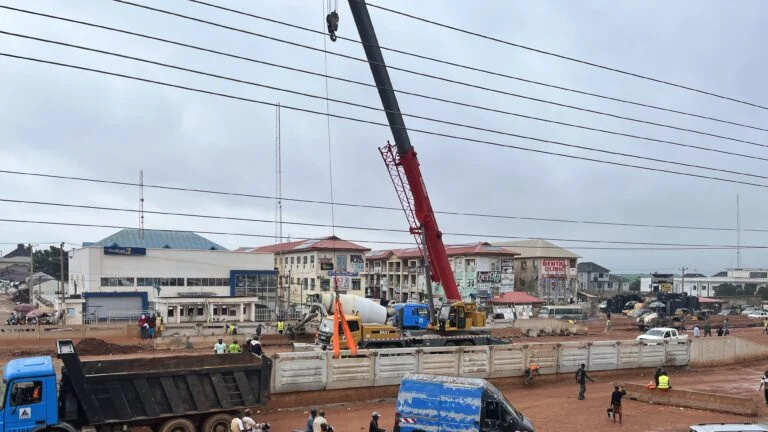
Mr Ezra Shekwogaza, a community leader in Sabongari, said some Federal Government interventions had brought visible changes, particularly in road infrastructure.
According to him, part of the President’s Renewed Hope Agenda, being implemented through the FCT Minister, Mr Nyesom Wike, was visible in the district.
“You can see how road reconstruction in Ushafa, Kawu-Shere and other areas has opened up development opportunities.
“People are now relocating to Bwari because they no longer see it as the local or rural area it used to be in the FCT,” he said.
He noted that social development, through sporting activities in the district’s standard stadium, had improved youth engagement and exposed more talent in the area.
Shekwogaza, however, said more needed to be done to ensure rural communities benefited from government projects.
He noted that lack of electricity, water and other basic amenities continued to affect residents in some parts of the council.
He urged the government to sustain intervention programmes while ensuring completed projects were properly maintained to serve their intended purposes.
Similarly, Mrs Esther Tanimu, a women leader in Baran Goni community, said women had benefited from government-oriented empowerment initiatives, skills acquisition programmes and other livelihood interventions.
She said: “We have benefited from various government and non-governmental organisations. Anytime there is an opportunity, they reach out to our members.
“It can be workshops, training on skills and sometimes incentives to be shared among members; it just tells us we are not forgotten.”
Tanimu, however, called for inclusion of women in the design and implementation of empowerment programmes.
She said access to finance remained a major challenge for many women engaged in farming, petty trading and small businesses.
She appealed for interventions that would provide women farmers with equipment, affordable credit, storage facilities and access to markets, stressing that such support would make their economic activities more sustainable.
According to her, investing in women has wider community benefits because many women use their earnings to support household education, healthcare, food and other essential needs.
Mr John Awoyi, President of Bwari Youths Forum, said Federal Government interventions had created opportunities for some young people through skills acquisition, entrepreneurship and empowerment initiatives.
Awoyi, however, said youth unemployment remained a major concern.
He urged the government to expand vocational training and provide start-up support for young people who acquired relevant skills, especially in rural communities of the FCT.
He said: “There should be more employment opportunities and stronger partnerships with private businesses to enable trained youths to translate their skills into sustainable livelihoods.”
The youth leader noted that development interventions should focus on communities where young people face limited access to infrastructure, digital opportunities, quality education and productive employment.
Awoyi also urged the Federal Government to strengthen healthcare interventions by improving primary healthcare facilities, providing essential medicines and equipment and addressing manpower shortages.
He added that the effectiveness of government interventions should be measured not only by the number of projects completed but also by their accessibility, sustainability and direct impact on residents.
He called for stronger collaboration between the Federal Government, FCT Administration, Bwari Area Council, traditional institutions and community groups in identifying development priorities.
“I also suggest that authorities should always involve beneficiaries more closely in project planning and monitoring because community participation will improve ownership and sustainability,” he said.
Another stakeholder, Mr Akuso Amos, a farmer in the area, said government support to the agricultural sector had helped draw attention to food production and the need to strengthen farmers’ capacity.
Amos, however, identified the high cost of farm inputs, machinery, transportation and inadequate storage facilities as major challenges affecting farmers in Bwari.
He appealed for more accessible agricultural loans, improved farm inputs, mechanisation support and better market linkages to enable farmers to increase production and earn better returns.
According to him, strengthening agriculture in Bwari will not only improve food availability but will also create employment opportunities for young people and reduce pressure on rural households.
The farmer said infrastructure remained central to the development of Bwari, particularly roads linking rural communities to markets, schools, healthcare facilities and administrative centres.
He added that improved infrastructure would boost economic activities, facilitate movement of farm produce and reduce difficulties residents encounter in accessing essential services. (NAN)
Edited by Dorcas Jonah

Comments