


By Folasade Akpan
The National Population Commission (NPC) has called for a harmonised national system for marriage and divorce registration to strengthen rights protection and provide reliable data for planning.
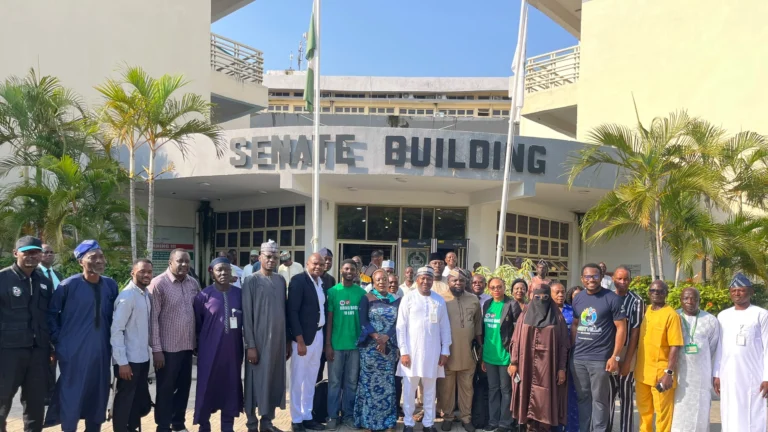
The Overseeing Chairman of the commission, Mrs Mary Afan, made the call on Tuesday in Abuja at the North-Central Zonal Consultation on the Draft Harmonised Protocol for Marriage and Divorce Registration in Nigeria.
Afan, represented by the Director, Public Affairs Department, Alhaja Sherifat Olurode, said marriage and divorce were significant legal acts with implications for spousal support, child custody, inheritance, property and other entitlements.
She said proper notification, registration and certification would provide a basis for protecting such rights while generating vital statistics for evidence-based planning, social protection and public service delivery.
She said the data would also support efforts to prevent child marriage and promote gender equality.
Afan, however, said marriage and divorce registration remained fragmented, with different institutions operating varying procedures, forms and record-keeping arrangements.
She said reliance on paper-based processes and limited data exchange affected the completeness, timeliness and reliability of records.
According to her, the draft protocol seeks to establish common procedures, clarify institutional responsibilities and strengthen the link between notification, registration, certification and data management through the electronic Civil Registration and Vital Statistics (CRVS) system.
She urged stakeholders to ensure that the final framework was “legally coherent, technically sound, culturally responsive, inclusive and, above all, practical and implementable.”
Dr Abuh Mohammed, NPC Director-General, represented by Mrs Adaku Obodo, Head, Birth and Death Registration, said marriage and divorce data had remained in silos over the years.
He said harmonisation was necessary because “a country as big as Nigeria is supposed to have a national data on marriage and divorce.”
Mohammed said reliable data on the events would support economic planning, protect citizens’ rights, provide information for determining specific fertility rates and help monitor early marriage and divorce.
Dr Taiwo Ibinaiye, Data for Development Analyst, United Nations Population Fund (UNFPA), said Nigeria needed a national database where marriages and divorces could be recorded in real time.
Ibinaiye said registration and certification were important to ensure that spouses, especially women, could establish legal claims to inheritance and other rights.
He said a strengthened civil registration system could also reduce dependence on costly population censuses by providing a reliable population baseline.
He said under the 2020 round of censuses, a robust CRVS system could provide a baseline, with the database subsequently used to estimate population and reduce the magnitude of errors.
Ibinaiye said while birth registration had improved, there was still a need to strengthen marriage and divorce registration.
Mrs Fidelia Abbas of the UN Children’s Fund (UNICEF) said CRVS was more than an administrative function, describing it as a foundation for legal identity, child protection, social inclusion and evidence-based development planning.
Abbas said birth registration coverage in Nigeria was about 40 per cent, adding that “we are not there yet” in achieving comprehensive civil registration.
She said harmonised marriage and divorce registration would strengthen family identity records, support prevention of child marriage and protect children during family transitions.
Aminu Saad, a Judge at the Sharia Court of Appeal, said a centralised marriage and divorce database could help resolve inheritance disputes by providing evidence of marital relationships.
Saad said the system would be useful where competing claims were made by people alleging marital relationships with deceased persons.
The News Agency of Nigeria (NAN) reports that the consultation is one of four zonal engagements to review the draft protocol and ensure that the final framework reflects Nigeria’s statutory, customary, Islamic and Christian marriage systems.
The draft protocol was developed at a national workshop in July 2025 and seeks to promote digitisation, decentralisation, data protection and accountability through the electronic CRVS system, including the VITALREG platform. (NAN)
Edited by Tosin Kolade

Comments