


SILENT INFRASTRUCTURE REVOLUTION IN SOUTH-EAST HIGHLIGHTING TINUBU’S INCREASED FUNDING TO SUBNATIONALS
By Musa Ahmed Ubandoma
By all indications, a quiet but profound infrastructure revolution is unfolding across Nigeria’s South-East geopolitical zone, driven by unprecedented federal interventions, increased funding to subnational governments, and strategic investments under the administration of President Bola Ahmed Tinubu.
The Renewed Hope National Media Tour, led by the Special Adviser to the President on Information and Strategy, Bayo Onanuga, offered Nigerians a rare opportunity to witness first-hand the scale and impact of projects transforming communities across Abia, Ebonyi and Enugu States.
The tour, organised under the Renewed Hope Ambassadors initiative coordinated by its Director-General Governor Hope Uzodimma of Imo State, exposed what many observers have described as a “silent infrastructure revolution” aimed at addressing decades of deficits in transportation, housing, agriculture, healthcare and education.
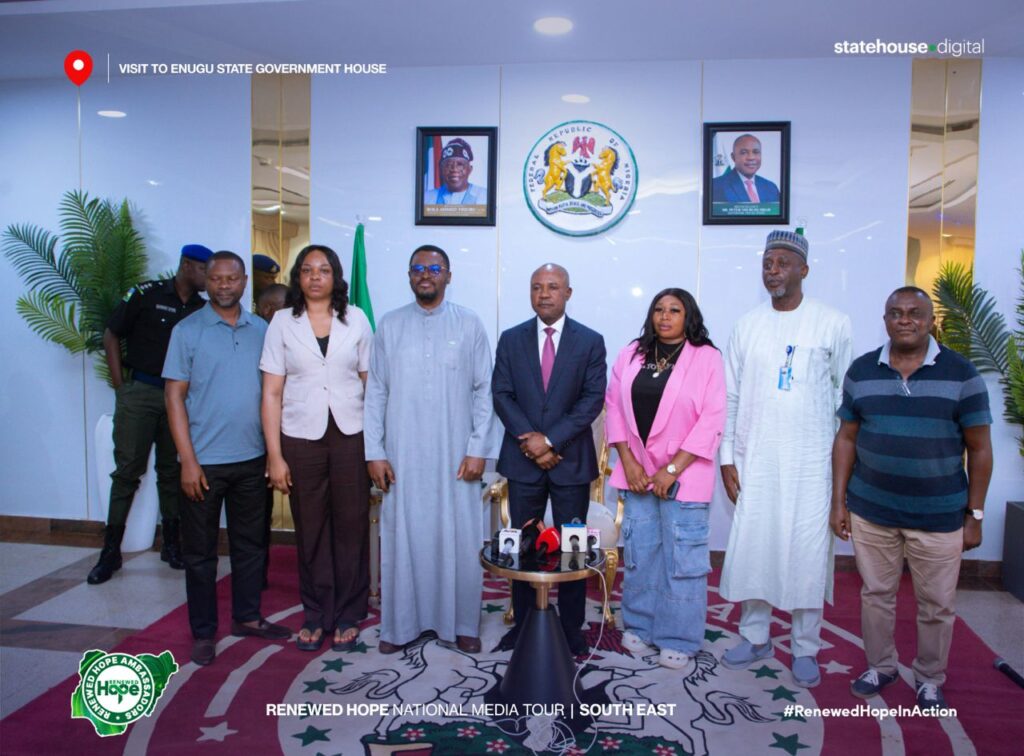
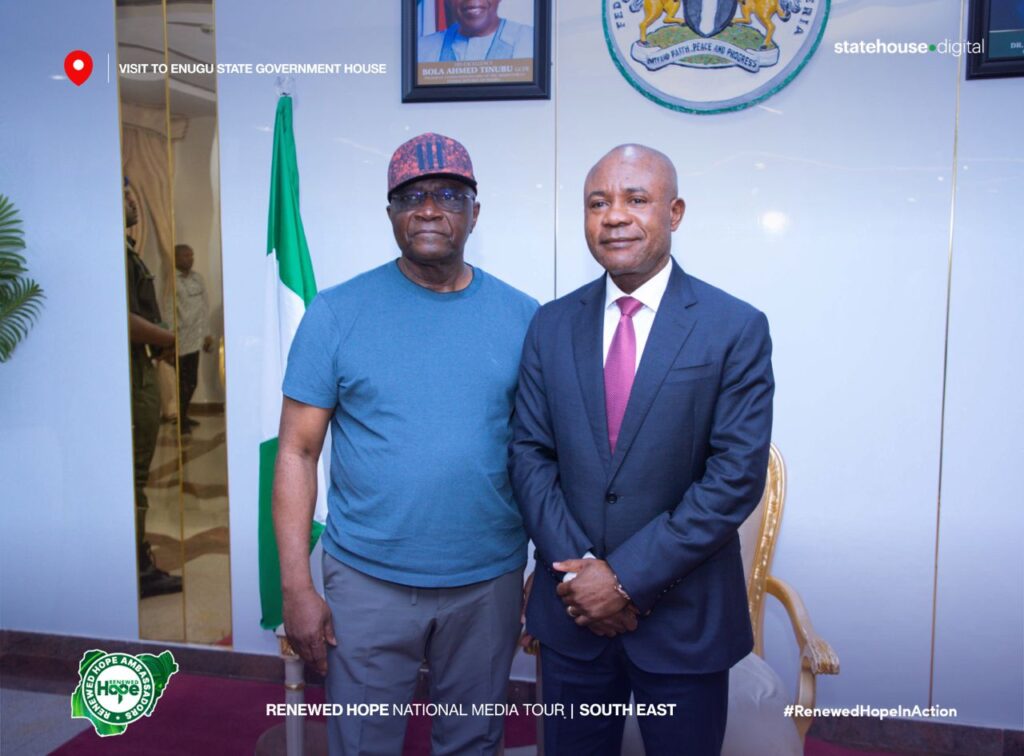
In Enugu State, Governor Peter Mbah openly acknowledged the positive impact of President Tinubu’s increased financial support to subnational governments.
According to Governor Mbah, the enhanced fiscal capacity made possible by federal interventions has accelerated the state’s ambitious infrastructure agenda.
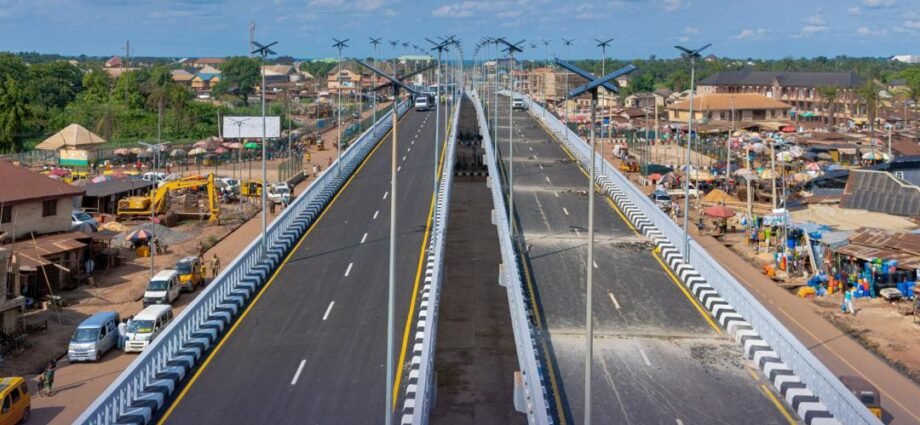
One of the most striking innovations witnessed during the tour was the introduction of concrete pavement roads in waterlogged areas of the South-East. This engineering approach, considered more durable and cost-effective in flood-prone environments, is gradually replacing conventional asphalt roads and promises to significantly reduce maintenance costs while improving road longevity.
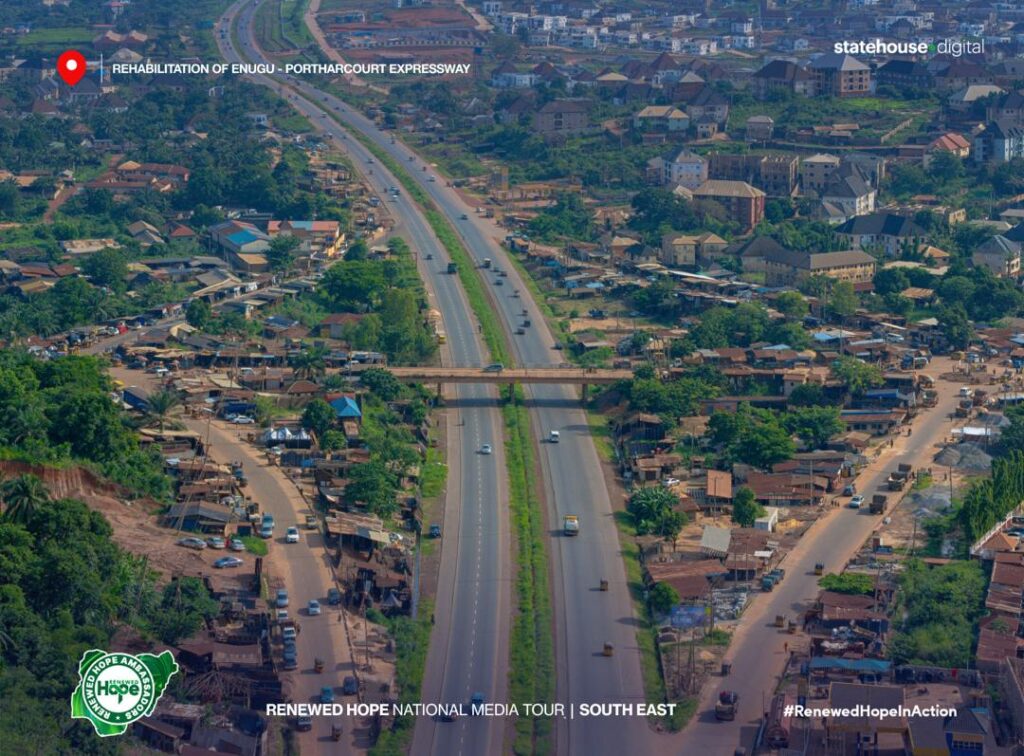
A major project inspected was the ongoing construction of a 56-kilometre road corridor originating from Abia State and linking Enugu, Imo and Ebonyi States to Port Harcourt. The strategic road network is expected to ease transportation, facilitate interstate commerce and strengthen regional integration across the South-East and South-South zones.
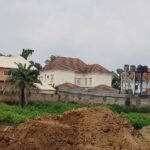
The team also inspected the 200-unit Renewed Hope Housing Estate in Umuahia and another 180-unit housing development in Bende Local Government Area of Abia State. These projects are designed to provide affordable housing for Nigerians while stimulating local economies through job creation and increased commercial activities.
In Ebonyi State, attention focused on President Tinubu’s flagship Calabar-Abuja Trans-Sahara Super Highway, one of the administration’s most ambitious legacy projects.
The delegation inspected critical road and bridge infrastructure, including the ongoing construction of a 90-metre link bridge in Section One of the concrete pavement corridor on the Onueke axis of the highway.
The team also visited the 1.3-kilometre Ndi-Egbe Bridge in Afikpo Local Government Area of Ebonyi State, which will connect communities in Ebonyi to Ugep in Cross River State upon completion in December 2026.
The Trans-Sahara Super Highway is expected to connect Cross River, Ebonyi, Benue, Nasarawa and the Federal Capital Territory, creating a vital economic corridor that will facilitate movement of goods and services across the country.
Minister of Works, David Umahi, explained that the original scope of Section One was designed to cover 118 kilometres of single carriageway but was subsequently reviewed to cover both lanes of the 123.6-kilometre stretch at a cost of N45 billion, while procurement for the dualised component is ongoing.
According to the Minister, Section Two of the superhighway extends from the Ebonyi border through Benue and Kogi States and terminates at the Loko-Oweto Bridge in Nasarawa State, covering another 123.6 kilometres.
Umahi further highlighted the enormous socio-economic and agricultural benefits embedded in President Tinubu’s legacy projects nationwide.
He disclosed that the Sokoto-Badagry Super Highway corridor has
over 73 dams that will support irrigation farming and significantly boost agricultural production. He added that the Lagos-Calabar Coastal Highway and other strategic development initiatives will improve connectivity, attract investments, create jobs and enhance the quality of life of Nigerians.
The media team also inspected the ongoing construction of the 88-kilometre concrete pavement Enugu-Abakaliki-Ogoja Expressway being executed by indigenous contractor Reinforced Global Resources Limited.
The delegation inspected several transformative projects including the ongoing Flyover Interchange Bridge at Abakpa Junction in Enugu metropolis, the reconstruction of the 38.6-kilometre Enugu-Onitsha-Port Harcourt concrete pavement road and the dualisation of the 21.5-kilometre Enugu International Airport Road extending to the Ebonyi State border.
The team also toured the ongoing dualisation of the 40-kilometre Owo-Ubahu-Amankanu-Umualo-Ekem road corridor, another strategic project expected to improve mobility and stimulate economic activities in rural communities.
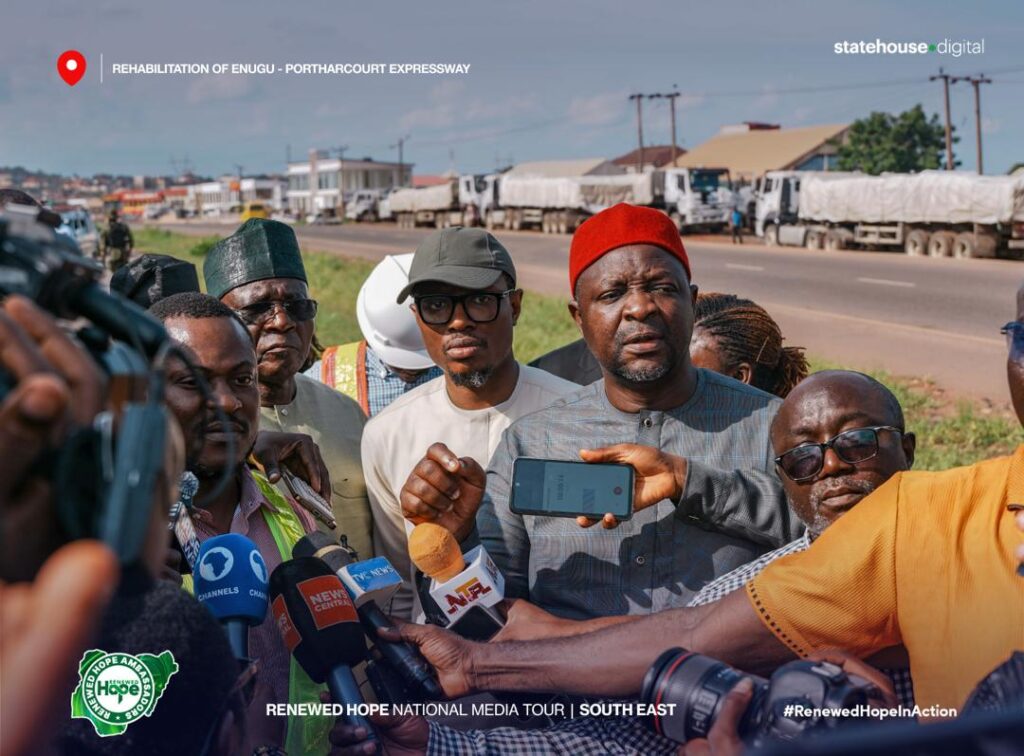
The Renewed Hope National Media Tour has therefore achieved more than a routine inspection exercise. It has exposed the scale of ongoing development efforts and demonstrated how increased funding to subnational governments under President Tinubu’s administration is translating into visible and measurable infrastructure outcomes.
Across Abia, Ebonyi and Enugu States, roads are being reconstructed, bridges are connecting previously isolated communities, affordable housing estates are emerging, and transportation corridors are being expanded to support economic growth.
What is emerging in the South-East is not merely a collection of isolated projects but an interconnected development strategy designed to unlock the region’s enormous economic potential.
The message from the tour is unmistakable: when federal and state governments work collaboratively, development accelerates, infrastructure deficits shrink, and citizens begin to experience the tangible benefits of governance.
The silent infrastructure revolution underway in the South-East may well become one of the defining legacies of the Renewed Hope Agenda, serving as a model for sustainable development and national integration across Nigeria.(NANFeatures)
Edited by Ismail Abdulaziz
**If used, credit the writer and the News Agency of Nigeria (NAN).