









How Real-Time Statistics Are Altering the Way People Enjoy Football
For years, football was all about passion, but it has changed due to the emergence of data. Fans now enjoy tracking possession, shots, and movements in real-time. This change transforms watching football into an analytical experience for millions of viewers around the world. Curious how numbers make people enjoy football more? Read on to learn what statistics tools are transforming football today.
The Emergence of Live Match Data
With real-time statistics, watching football has become an analytics experience. Fans now track expected goals, pass accuracy, and sprint speed during live matches. Data is gathered by advanced tracking cameras and sensors installed inside stadiums. The possibility to access statistics is a core part of how people follow football nowadays.
Millions of football fans now maintain multiple accounts in order to access live data streams and betting markets at the same time. Completing the simple and fast MelBet login allows users to have access to in-game statistics and betting markets at the same time. This way, fans can compare changes in odds with the actual data shifts that occur during matches. For instance, a person can observe how possession percentages change while making their decision to place bets.
Social Media and Fan Engagement
Platforms like Instagram are now crucial channels that allow fast distribution of football statistics to millions of fans. Graphics, highlights, and betting tips appear there just after important moments occur. Thus, social media keeps fans engaged in matches even when they do not watch them live. Statistics presented in the form of easily shareable content have become a marketing tool for many companies.
Betting companies now use social media to distribute their promotions, updates on odds, and match previews to fans. By visiting and following the MelBet Facebook Saudi Arabia account, regional fans will receive access to localized betting content. These posts usually contain information about fixtures to come along with statistical analysis of teams’ and players’ performances. Thus, fans can use this information before placing bets on the game. Now, social media acts as a merger of fan culture and real-time sports data distribution.
Apart from passive browsing of content, social media has become a statistics hub for casual fans. Quick graphics illustrating team form or head-to-head record spread rapidly during important tournaments. Statistics have become easy to understand for newbies thanks to this accessibility.
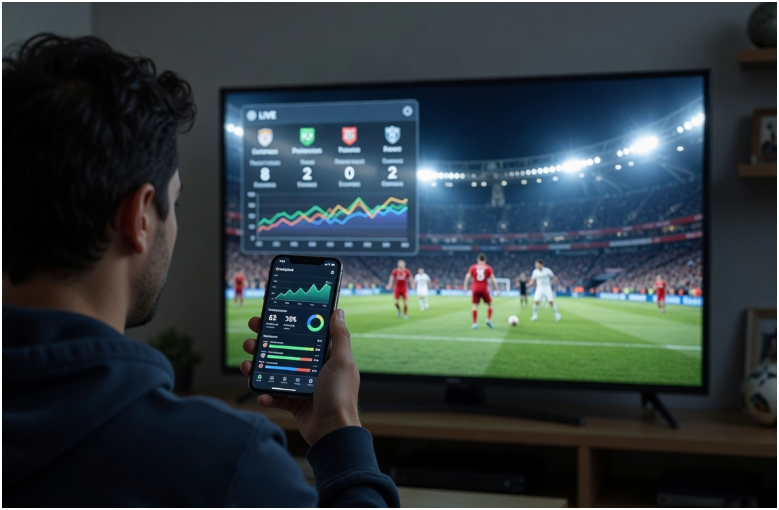
Football statistics platforms usually provide various data presentation options in accordance with users’ demands. Some of them prefer detailed dashboards, whereas others need quick visual presentations of statistics during matches.
| Platform Type | Data Focus | Typical User |
| Broadcast graphics | Possession, shots on target | Casual viewers |
| Betting apps | Live odds, in-play stats | Active bettors |
| Analytics websites | Expected goals, heat maps | Tactical analysts |
| Social media posts | Highlights, quick summaries | Mobile-first fans |
Each type of platform plays a specific role in the ecosystem of football statistics. Users choose a particular source based on the level of engagement with statistics.
How Analytics Help to Understand Tactics
Now, coaches and pundits use statistics as an important part of explaining tactical moves on broadcasts. Indicators such as pressing intensity or pass success percentage show hidden patterns for casual fans. It helps to increase the football literacy of fans. Viewers expect data-driven explanations from their comments nowadays.
In modern broadcasts, there are often shown graphs illustrating players’ positioning and passes. Such a visual representation helps understand the reasons for the success or failure of the tactics chosen by the coach. Young generations enjoy receiving such type of information in particular.
Technology of Getting Real-Time Statistics
Real-time statistics require the installation of highly efficient tracking systems across all stadiums where football matches take place. The optical camera system captures the position of players up to twenty-five times per second during the games. Further, such raw material undergoes processing by means of the algorithm, which calculates the speed, distances, and positioning. Wearable sensors are used to get the data about the heart rate of the player and his or her level of fatigue.
This process leads to the generation of huge amounts of data, which further turn into visuals used by broadcasters and analytics. Companies specializing in the analysis of sports events work together with football leagues in order to achieve uniformity in collecting and interpreting the data in different stadiums around the world. The technology is evolving rapidly, and the era when the data was only the information in possession has passed several decades ago.
At present, artificial intelligence is becoming more and more important for the efficient processing of statistics. The machine learning models can predict probable outcomes based on the current game situation.
How Real-Time Statistics Are Used by Fans
There are many practical applications for real-time data that fans use both during and after the match takes place. Knowledge of these applications will help to understand the importance of statistics within football culture better.
- Live score tracking – following the match development process without watching it on TV.
- Tracking of individual players’ performance – comparing their current statistics with the previous periods.
- Match analysis – understanding of formations through passing and moving.
- Fantasy football management – changing line-ups based on players’ statistics during gameweeks.
As one can see, statistics have been widely embedded into the daily routines of many football fans nowadays. Many supporters consider statistics as important as the direct match watch.
Differences Between Regions in Football Data Analysis
The consumption of data is not the same in all parts of the world and cultures. The audience in Europe prefers tactical analysis during broadcasts, as many fans are used to watching analysts describing different formations and pressing systems during the match. Thus, there are high expectations about the statistics and its preciseness.
In Middle Eastern and Asian markets, mobile-first consumption prevails, and there is no necessity for long-lasting analysis. In such countries, the main distribution channel is social media, and, therefore, the content is represented in a brief form with many infographics.
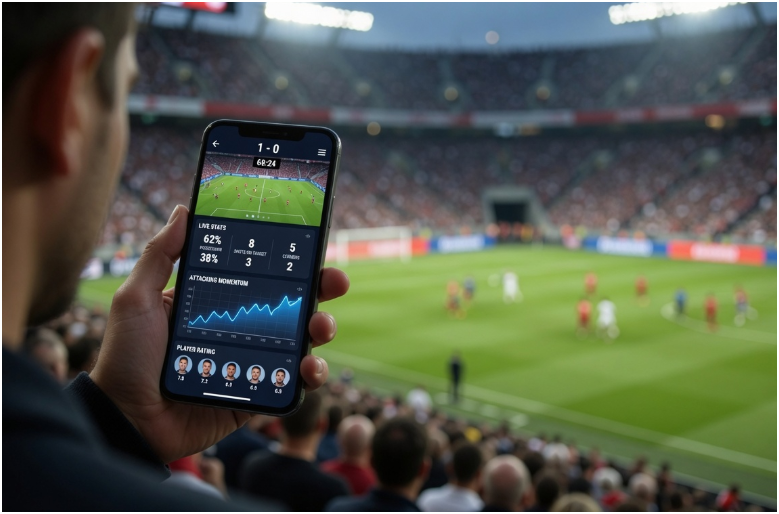
Fans in South America have passion and a storytelling style of traditional commentary with modern metrics like expected goals and pressing. Thus, the consumption of statistics in this region is different.
Challenges in Adopting Real-Time Statistics
Despite the numerous benefits of real-time statistics, there are some obstacles for its usage in football culture. Accuracy is the most important factor in the case of quick data collection and calculations that occur during the match. Fans and analysts can be confused because of some mistakes during data tracking. Algorithms are constantly being improved to reduce them.
Another obstacle for real-time statistics usage can be connected with the low quality of internet connection in some regions, which causes an inability to watch high-quality streams. Therefore, there are some disparities in the accessibility of statistics for different audiences.
Finally, information overload can be considered a significant challenge for many football fans. Showing too much information can be overwhelming for people looking just for entertainment. However, broadcasters should pay attention to this aspect.
The Future of Analytics-Driven Football Fandom
Statistics have changed football into an analytical sport that requires fans to watch and analyze. In order to do this, people need instant access to the necessary numbers. The development of technology and tracking systems will make data even more available in the future.