


By Vivian Emoni
The Federal Government has reformed Nigeria’s trade negotiation system to ensure coordinated positions, evidence-based decisions and stronger alignment with national economic priorities.
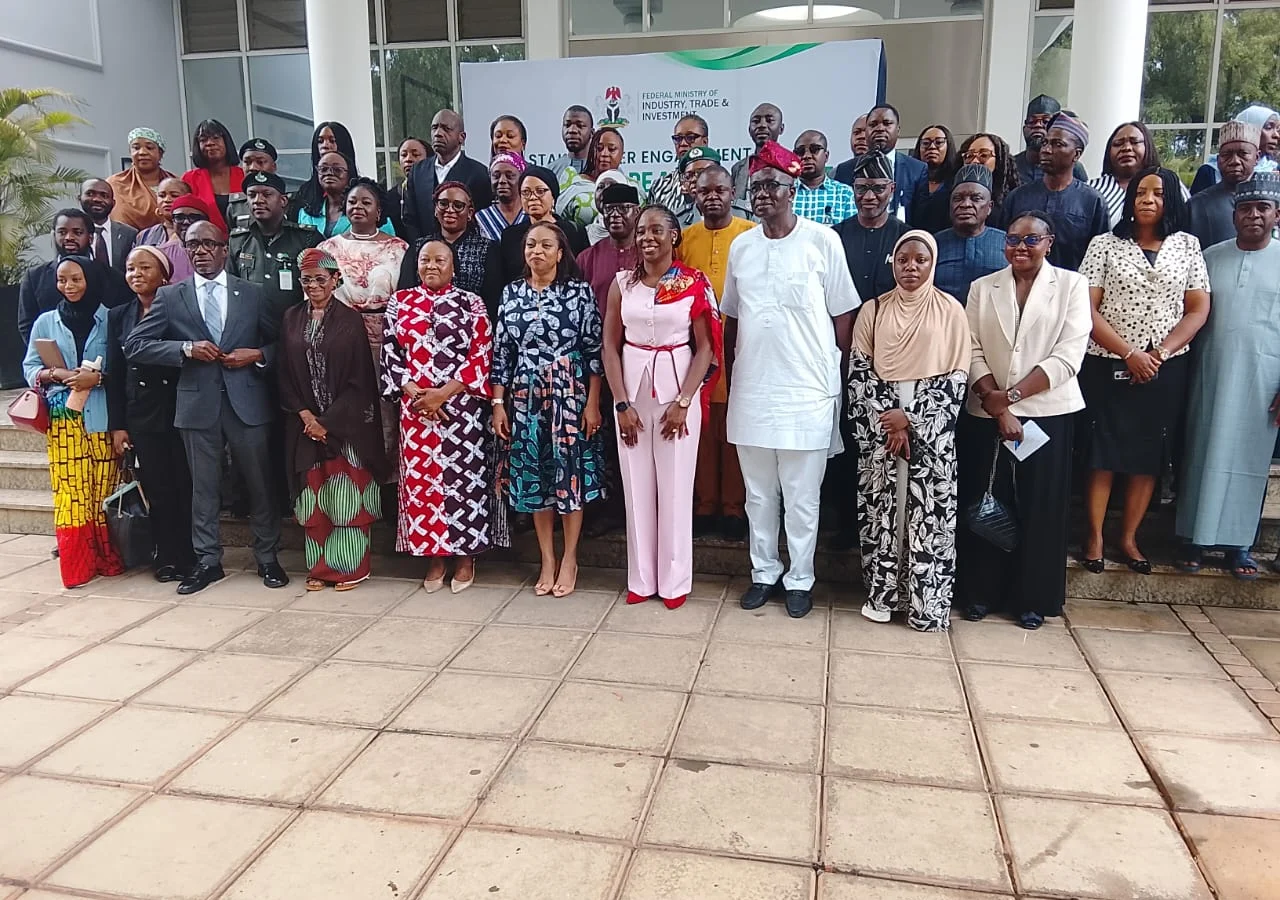
Dr Jumoke Oduwole, Minister of Industry, Trade and Investment, said this on Wednesday in Abuja, at a Stakeholders’ Engagement on Nigeria’s Trade and Investment Negotiation Architecture.
The engagement is aimed to discuss with stakeholders on proposed Nigeria Trade and Investment Negotiation Architecture, comprising the National Trade Coordination Platform (NTCP) and the National International Investment Agreement Negotiation Team (NIIANT).
Oduwole said the introduction of new trade negotiation architecture was to strengthen coordination, technical preparation and stakeholders’ participation in international trade negotiations.
According to her, the reform followed extensive consultations with ministries, agencies and other stakeholders.
“The objective is to ensure Nigeria approached trade negotiations with clear objectives, sound evidence and a coordinated national position.
“Under President Bola Tinubu’s Renewed Hope Agenda, trade negotiations must support industrial development, non-oil exports, competitiveness and job creation,” she said.
The minister said the reformed Enlarged National Focal Point on Trade Matters provided a foundation for broad consultation but required improvements.
She identified delays, overlapping responsibilities, changes in technical representation and gaps in institutional records as challenges that weakened the previous structure.
“The reformed Enlarged National Focal Point will now operate as the Nigeria Trade Negotiation Architecture.”
“The Trade Department and Nigeria Trade Negotiation Office (NOTN) will serve as co-technical leads, while Nigeria Office for Trade Negotiation (NOTN) will provide secretariat support,” she said.
The minister said that reports of meetings, consultations and negotiation engagements be forwarded to the Trade Department and the Permanent Secretary.
She said the Trade Department and Director-General of the NOTN would brief her monthly on Nigeria’s trade negotiations, drawing from the negotiation register and institutional updates.
Oduwole said stakeholder engagements would be held quarterly, involving government, businesses, labour, academia and other affected interests.
She said the quarterly engagements would enable stakeholders to review emerging issues and provide practical inputs, while escalations could be made whenever necessary.
She further said that the arrangement would enable Nigeria to focus on economic needs rather than react to individual negotiations.
The minister said the chair and chief negotiator could convene relevant stakeholders and technical experts when necessary, subject to clear terms and confidentiality requirements.
She directed participating institutions to nominate two technically competent focal officers, comprising a primary officer and an alternate, to ensure continuity.
She said the Trade Department would lead policy analysis, institutional coordination, stakeholder engagement and monthly briefings to her office.
“The negotiation preparations must consider Nigeria’s interests, counterpart positions, existing commitments, potential benefits and costs, and the limits of negotiating authority,” she said.
Oduwole urged private-sector participants to provide empirical evidence and data rather than attend consultations merely as a requirement.
She said the ministry would strengthen the commercial officer cadre and expand its role in trade policy analysis, negotiation preparation and stakeholder coordination.
According to her, trade and investment negotiations will remain separate because their legal frameworks and required expertise differed while the ministry will continue engaging stakeholders.
Dr Chris Isokpunwu, the Permanent Secretary of the ministry, said the minister’s directive provided a clear basis for developing the proposed Negotiation.
Isokpunwu, represented by Dr Simon Omo-Ezomo, Head, Special Duties, said the engagement would examine how the mechanisms could function effectively.
He urged participating institutions to make conscious and practical contributions while identifying areas of overlap or uncertainty and indicating available technical support. (NAN)
VOE/KUA
========
Edited by Uche Anunne


Comments