


By Awayi Kuje
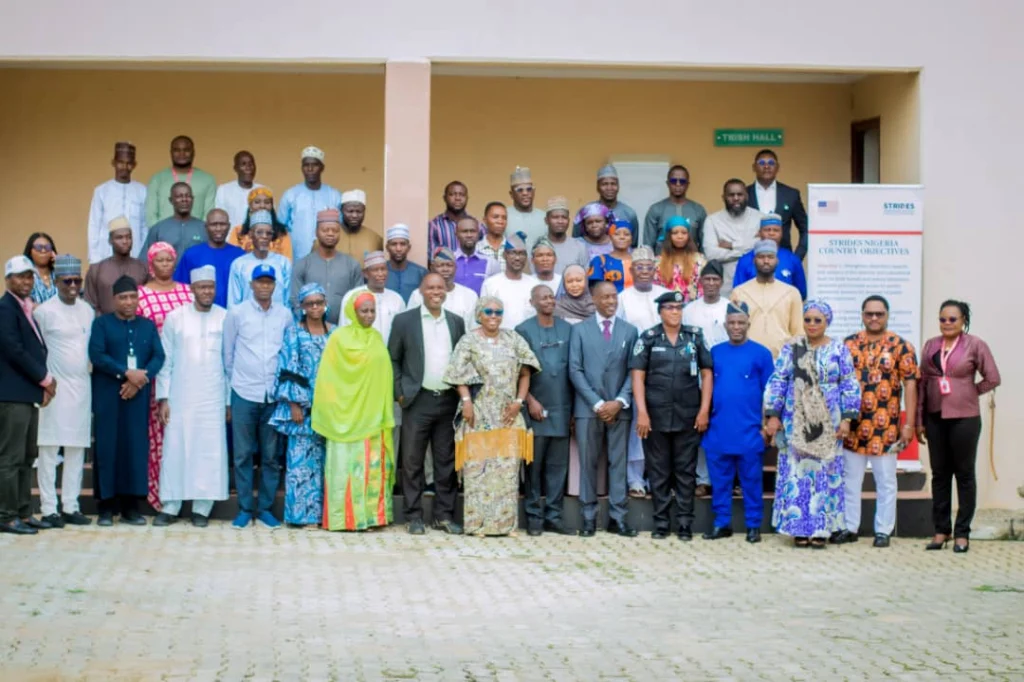
The Federal Ministry of Livestock Development has commenced the training of 62 multisectoral officers to strengthen surveillance and early detection of Highly Pathogenic Avian Influenza (HPAI) in wildlife and wetlands.
Dr Samuel Anzaku, Chief Veterinary Officer of Nigeria, said this on Monday while declaring open a six-day National Training of Multisectoral Officers on HPAI Surveillance in Wildlife and Wetlands in Akwanga, Nasarawa State.
Anzaku, represented by Dr Alao Mitchell, National Programme Coordinator, Avian Influenza Control Programme, said effective surveillance was critical to protecting animal health, food security, livelihoods and public health.
He said HPAI remained a significant threat to poultry production, livelihoods, trade, biodiversity and public health, noting that wild birds and wetlands played important roles in the ecology and transmission of avian influenza viruses.
He said the training, with the theme, “Strengthening Wildlife Disease Surveillance for Early Detection of HPAI,” was designed to improve the capacity of officers to detect, report and respond effectively to threats at the wildlife-livestock-human interface.
“The training also provides an important platform to strengthen coordination, information-sharing and collaboration among relevant institutions responsible for wildlife, animal health, environmental and public health,” he said.
The Chief Veterinary Officer said the initiative was in line with the Federal Government’s efforts to strengthen Nigeria’s animal health system through improved surveillance, preparedness, laboratory capacity, disease prevention and response.
He stressed the need for stronger collaboration among veterinary and livestock services, wildlife and environmental authorities, public health institutions, laboratories, research institutions, local authorities and communities.
“No single institution can effectively address the disease threat in isolation.
“This approach also reinforces the One Health principle, recognising the interconnectedness of human health, animal health and the environment,” he said.
Anzaku said communities living and working around wetlands were important partners in disease surveillance and could contribute significantly to early warning when provided with appropriate awareness and functional reporting channels.
He urged participants to use the training to strengthen their practical knowledge, clarify institutional responsibilities, improve information-sharing and establish professional networks that would continue beyond the programme.
He also appreciated the Strengthening Infectious Disease Detection System (STRIDES) Project for supporting Nigeria’s capacity for wildlife disease surveillance, early detection, preparedness and response to HPAI.
He said the partnership would contribute to the Federal Government’s efforts to promote effective multisectoral collaboration under the One Health approach.
Anzaku said the Renewed Hope Agenda of President Bola Tinubu placed strong emphasis on food security, economic growth, livelihood protection and resilient productive sectors.
He added that the Nigeria Livestock Growth Acceleration Strategy (NLGAS) provided a framework for strengthening the livestock sector and accelerating its contribution to national development.
In their remarks, Dr Philip Igawe, Infectious Disease Surveillance Adviser, STRIDES-Nigeria; Mr Gbetsere Aghogho, Federal Ministry of Environment; and Dr Chinaemeka Joe-Iruobe, Assistant Commissioner of Police, Force Headquarters, commended the initiative.
Others, including Dr Emeka Asiegbu of the Nigeria Agricultural Quarantine Service, Dr James Ahmed of the National Veterinary Research Institute, Vom, and Dr Nasir Ahmed, Head of One Health, Nigeria Centre for Disease Control and Prevention (NCDC), also pledged support for effective disease surveillance and control.
They said that effective surveillance remained a cornerstone of animal health, food security, public health and national economic development, and restated their commitment to strengthening disease diagnosis, research, preparedness and outbreak response.
The News Agency of Nigeria (NAN) reports that the training was organised by the Federal Ministry of Livestock Development in collaboration with the Federal Ministry of Environment and NCDC, in partnership with STRIDES.
Participants were drawn from Adamawa and Kano states, as well as the Federal Capital Territory. (NAN)
Edited by Isaac Ukpoju



Comments