


Located in Xi’an, Lantian County sits in the eastern Qinling Mountains, where rolling mountain ranges are interwoven with ancient trails, secluded valleys and time‑honoured temples, concealing countless poetic scenic gems. Mountain springs gurgle down ravines, and forest canopies undulate along mountain slopes. Wandering here, visitors may climb lofty peaks for sweeping views of cloud‑shrouded ridges, trace remnants of age‑old passageways, appreciate verses inscribed amid mountains and rivers, and immerse themselves in the singular grandeur and tranquility of the eastern Qinling range.
Wangchuan Valley: The Valley of Wang Wei’s Poetry
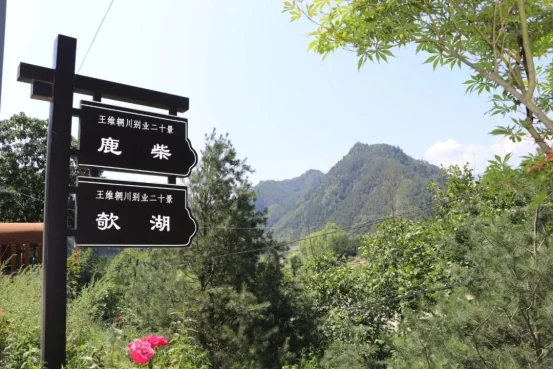
This is the site of Tang Dynasty poet Wang Wei’s country estate Wangchuan Bieye. The 20‑li (10‑kilometer‑long) river valley features gurgling streams and deep, serene woodlands. Poetic place names from Wangchuan Collection dot the valley, including Yi Lake, White Stone Shoal, Deer Enclosure and Bamboo Pavilion. Peach blossoms bloom beside water in spring, while red leaves cloak the valley in autumn. Every turn brings vistas depicted in Wangchuan Collection. It is ideal for light hiking in search of the poetic mood of Wang Wei’s reclusive life.
Mount Wangshun: China’s Top Mountain of Filial Piety
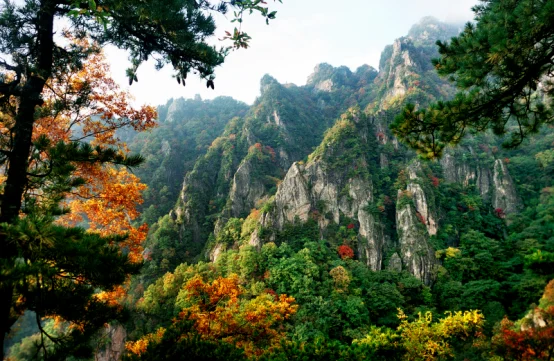
A 4A‑level national forest park and component site of the Qinling Global Geopark, Mount Wangshun boasts jagged peaks blanketed in pine and cypress. It combines the steep grandeur of Huashan Mountain and the delicate beauty of Huangshan Mountain. Winding stone steps lead to its summit, offering panoramic views of rolling mountain ridges and sea‑like clouds. Ancient Taoist shrines nestle in pine groves. The mountain displays distinct charms in four seasons: wildflowers carpet hillsides in spring; thick foliage brings cool shade in summer; mountains blaze with red foliage in autumn; and snow caps the summits in winter. Hiking is moderately challenging, suitable for family trips and hiking enthusiasts. An early‑morning hike rewards visitors with pine breezes and sea‑of‑cloud views for a serene, ethereal experience.
Shuilu’an Temple: A Treasury of Wall Sculptures
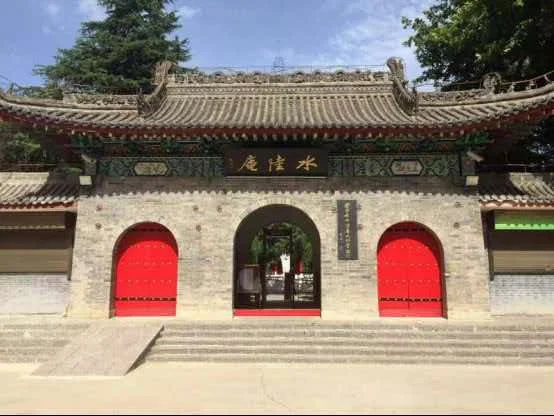
Standing beside the Lanshui River and surrounded on three sides by water and ancient cypresses, Shuilu’an Temple is hailed as “China’s Second Dunhuang”. Its main hall houses more than 3,700 interconnected Ming Dynasty hanging coloured sculptures. Deities, Buddhist figures, pavilions and towers are layered in intricate relief. Exquisitely rendered hair strands and flowing robe folds bring figures vividly to life, with Confucian, Buddhist and Taoist tales captured on a single wall. Home to China’s best‑preserved wall‑sculpture complex, the temple draws relatively few visitors. It is a wonderful spot for quiet appreciation of ancient craftsmen’s ingenuity.
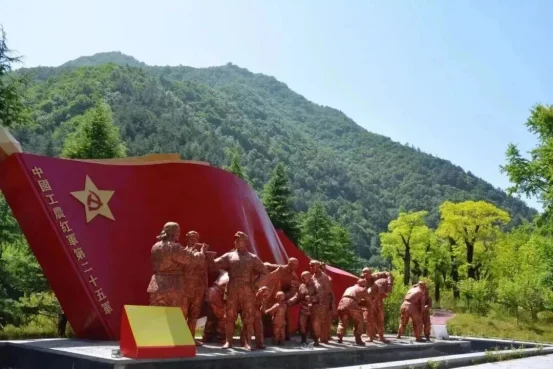
Languan Ancient Trail: A Poetic Mountain Pass through the Ages
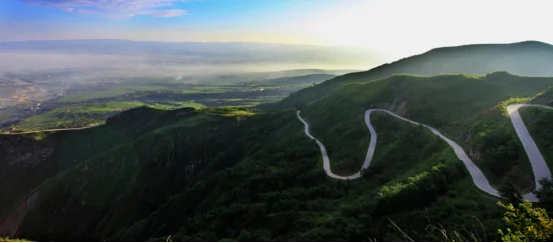
This millennia‑old thoroughfare once linked northern and southern China and achieved enduring fame thanks to Tang literatus Han Yu. Flanked by towering mountain ridges, the winding trail preserves relics of ancient passes, stone bridges and cliff‑face inscriptions. Trekking along it, visitors stand amid towering mountains as mountain gusts sweep through valleys. Wildflowers blanket mountain ridges in spring, while layered hills glow with colourful foliage in autumn. Walking its bluestone paths evokes the solemn, vast mood of Tang poems about snow‑covered Languan Pass. It is perfect for hiking and retracing ancient history.
Gepai Ancient Town: A Ming‑Qing‑Dynasty Mountain Old Town
Nestled deep in the Qinling Mountains, Gepai Ancient Town features well‑preserved bluestone streets dating back to the Ming and Qing dynasties. Old houses cling to mountain slopes and a stream flows through the town. It also hosts important revolutionary heritage sites, where traditional architecture merges with red‑historical memories. Blessed with a cool mountain climate, the old street retains rustic charm, with numerous farm‑house eateries serving authentic mountain home‑style dishes. It fits short leisure excursions: visitors may stroll old lanes, listen to mountain winds and savour the peace of this mountain town.
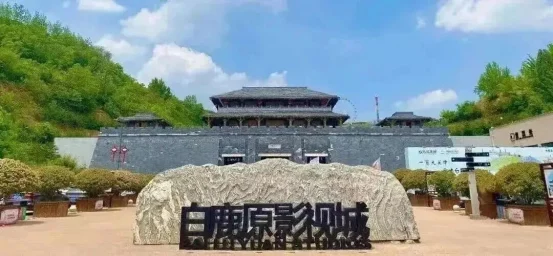
Bailuyuan Film Town: Earthly Charm on the Loess Tableland
Built against the landform of the Bailuyuan Tableland, this scenic spot recreates traditional Guanzhong villages. From the vast tableland, visitors enjoy far‑reaching views toward the Qinling Mountains. Streets and old courtyards recreate traditional Guanzhong rural dwellings, while theatres and exhibition halls narrate local stories. Strong tableland winds open up broad horizons. Wheat fields stretch far in spring, and golden‑brown loess defines autumn vistas. Here visitors can immerse themselves in the wilderness landscapes that once inspired poet Bai Juyi during his travels.
Buckwheat Ridge & Liujiayangpo Alpine Meadow
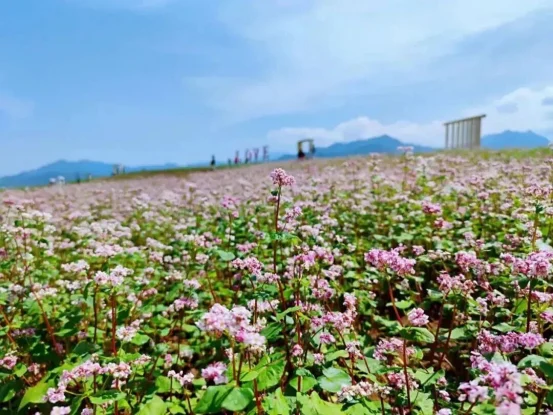
Located at Yukou Village, Jiujianfang Town of Lantian County, Buckwheat Ridge is a 3A‑level rural scenic spot and filming location for the hit drama The Protagonist. Once neglected fallow hillsides, it has been transformed into terraced flower fields backed by mountains, with distant views of Mount Yushan. Pink, crimson and white buckwheat flowers ripple across valleys in two blooming phases: May‑June and September‑October. Gentle wooden boardwalks weave through flower terraces. A hilltop viewing platform delivers full‑scale vistas of terraced farmlands, villages and the Qinling Mountains. The adjacent Liujiayangpo Alpine Meadow offers wide, soothing terrain ideal for picnics and casual walks accessible to visitors of all ages.The scenic area houses the Blue·Art Museum, the Buckwheat Story Museum and a food street serving local specialities including buckwheat cold noodles and buckwheat ice‑cream. Admission is free, and sightseeing shuttle buses carry visitors directly to the hilltop. The drive from downtown Xi’an takes roughly one hour. Tourists can combine this trip with visits to Shuilu’an Temple and Languan Ancient Trail for a rewarding one‑day excursion along this poetic Qinling route.