


By Tosin Kolade
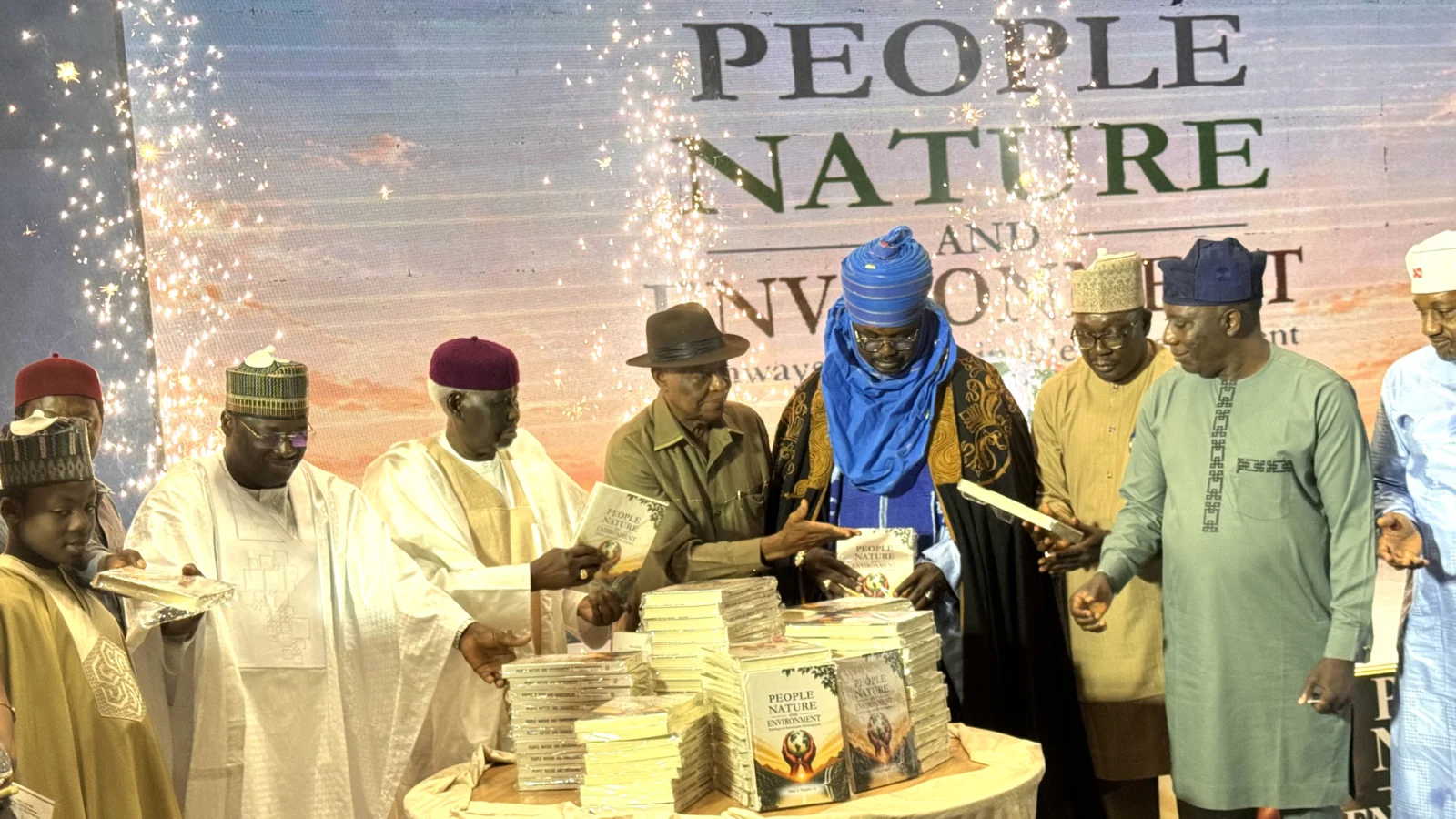
Dr Abba Maigida, author of People, Nature and Environment: Pathways to Sustainable Development, has urged Nigeria to make environmental sustainability a national priority in its development policies and decisions.
Maigida made the call at the public presentation of the book in Abuja on Thursday, saying economic growth must go hand in hand with environmental protection and human welfare.
He said his experiences during more than two decades of public service exposed him to the effects of environmental degradation, including erosion, desert encroachment, flooding and pressure on housing and infrastructure.
“In parts of eastern Nigeria, I witnessed the destructive impact of rural erosion on homes, roads and farmlands. In the North, I observed how desert encroachment threatens agricultural activities and rural livelihoods,” he said.
He also cited flooding in the Middle Belt and rapid urbanisation in Abuja and Lagos as examples of environmental pressures affecting communities and development.
Maigida said these experiences inspired him to examine how Nigeria could pursue economic growth without destroying the natural resources on which livelihoods and future prosperity depend.
He said the book, which took more than seven years to complete, drew on research, field observations and discussions with farmers, fishermen, traditional rulers, environmental professionals and public servants.
According to him, environmental sustainability should inform decisions on infrastructure, housing, natural resource management and community development rather than be treated as a separate concern.
“Development should not be measured only by the number of roads, buildings and other physical structures we provide.
“We must also consider the quality of life of our people, the conditions of our communities and the environmental consequences of our decisions,” he said.
The author said the publication examined environmental sustainability, human development, housing, natural resource management, climate change, community development, public policy and institutional responsibility.
He expressed hope that the book would help policymakers, researchers, development practitioners and communities translate sustainability principles into policies, programmes and practical action.
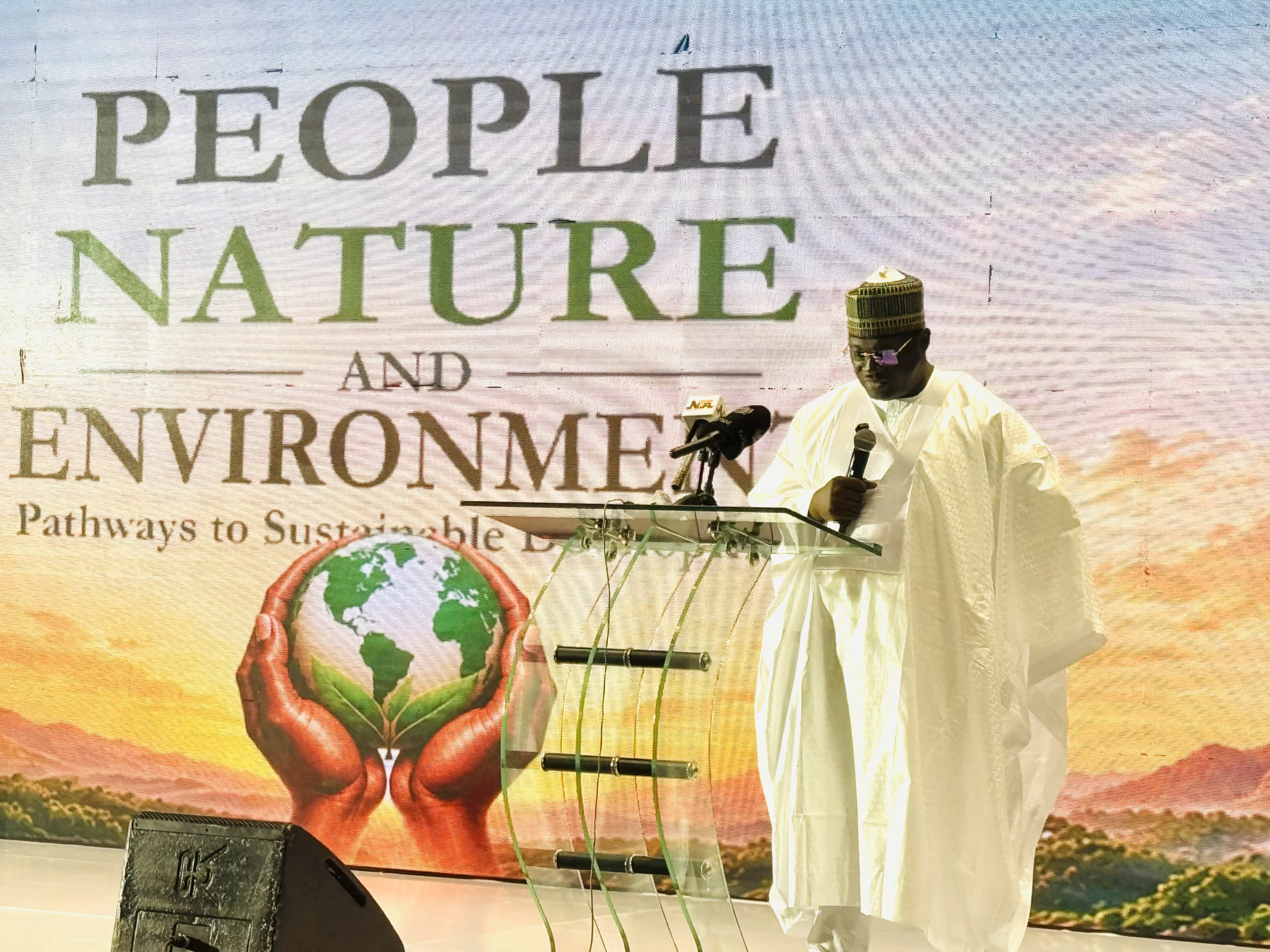
Gen. Alwali Kazeem, Chairman of the occasion, said environmental protection was also a national security concern, noting that competition over scarce resources could contribute to displacement, food insecurity and insecurity.
He urged governments to enforce environmental policies, educational institutions to promote environmental literacy and businesses to embrace sustainable production and responsible investment.
In her welcome address, FCT Head of Service, Nancy Sabanti, said climate change, deforestation, rapid urbanisation, inadequate housing and environmental degradation threatened livelihoods, public health and future development.
Sabanti, represented by Dr Andrew Zakari, said government, the private sector, educational and research institutions, communities and individuals shared responsibility for environmental protection and sustainable development.
She said the book launch provided an opportunity to promote informed discussions, strengthen commitment to responsible development and encourage practical action towards a better future.

The Minister of Agriculture and Food Security, Sen. Abubakar Kyari, has stressed the importance of environmental sustainability to food security and the preservation of natural resources for future generations.
Kyari, represented by Mr Taiwo Ojelabi, said sustainable management of water bodies, forests, vegetation and other natural resources was essential to food production.
He urged Nigerians to prevent environmental degradation and promote sustainable use of natural resources to ensure a healthy and productive environment for future generations.
Prof. Ishaya Sunday of the University of Abuja, the book reviewer, said the 21-chapter publication examined biodiversity, environmental health, water and food security, waste management, climate adaptation, disaster risk management and environmental governance.
Sunday commended the book’s interdisciplinary approach, while noting that the practical value of its proposed sustainability and climate resilience frameworks would depend on empirical application and independent assessment.
Goodwill messages were delivered by representatives of the Ghana High Commission, Baze University, Zenith Bank, the Federal Ministry of Agriculture and Food Security, Dr Onyema Ugochukwu, Wilson Inalegwu and others. (NAN)
Edited by Folasade Akpan



Comments